

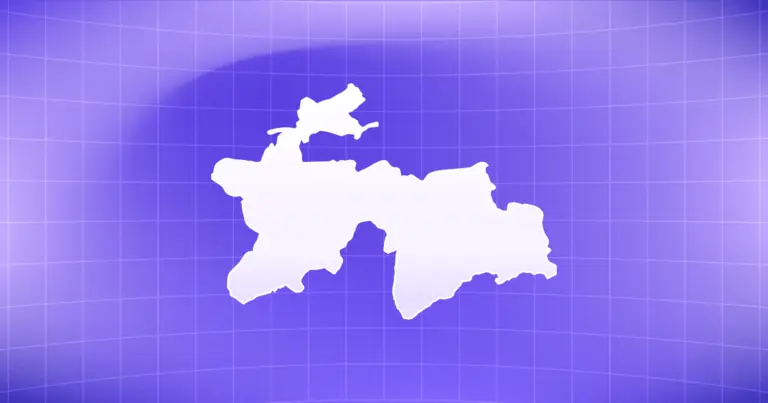
Market Potential: Tajikistan
1. E-commerce Market Overview
Tajikistan’s e-commerce sector is nascent but poised for rapid expansion. The total online commerce volume was estimated at around $100 million in 2023, with a year-over-year growth rate exceeding 25%. Digital payments are gaining traction, accounting for roughly 15% of all retail transactions, up from less than 5% just five years ago. Mobile commerce is particularly promising, representing nearly 40% of e-commerce sales, driven by widespread smartphone adoption. Forecasts suggest the e-commerce market will double in size by 2027, fueled by increasing internet penetration and consumer demand for convenience.
2. Key Growth Drivers
Several factors underpin Tajikistan’s accelerating digital payments and e-commerce growth:
- Rising Internet & Smartphone Penetration: Internet users reached 70% of the population in 2023, with smartphone ownership surpassing 60%, enabling broader mobile commerce access.
- Government Digitalization Initiatives: The government actively promotes cashless payments and e-government services to modernize the economy and improve financial inclusion.
- Fintech Innovation: Local fintech startups and regional payment providers are expanding digital wallet and QR code payment solutions, reducing reliance on cash.
- Young, Urbanizing Population: With over 60% of the population under 30 and increasing urban migration, there is a growing base of tech-savvy consumers eager to adopt digital payment methods.
- Regulatory Support: The National Bank of Tajikistan encourages non-cash payments and supports the development of secure digital infrastructure, fostering a stable environment for merchants.
3. Consumer Behavior & Spending Habits
Understanding Tajik consumers is key to success:
- Average Order Value (AOV): Typically modest, around $30-$40, reflecting local purchasing power but steadily increasing with rising incomes.
- Local vs. Cross-Border: Consumers primarily buy from local merchants due to language and delivery preferences, though cross-border e-commerce — especially from Russia and China — is growing.
- Preferred Payment Methods: Cash on delivery remains common, but card payments (Visa, Mastercard) and mobile wallets like Tcell Pay and Payme are rapidly gaining popularity. Buy Now, Pay Later (BNPL) is emerging but still limited.
- Mobile vs. Desktop: Over 60% of e-commerce traffic is via mobile devices, emphasizing the need for mobile-optimized payment solutions.
- Payment Culture: While cash is still king, there is a clear shift toward trust in cards and digital wallets, especially among younger consumers and urban dwellers.
4. Top Trends
Key trends shaping Tajikistan’s payment landscape include:
- Expansion of Mobile Wallets: Continued growth of mobile wallets offering seamless QR code payments and P2P transfers is expected to accelerate cashless adoption.
- Rise of Instant Payments: The National Bank’s push for instant payment systems will improve transaction speed and convenience, attracting more merchants.
- Emerging BNPL Services: Early-stage BNPL offerings are gaining traction among younger consumers, opening new avenues for higher ticket sales.
- Cross-Border E-commerce Growth: Increasing imports from Russia, China, and Turkey are driving demand for multi-currency and cross-border payment solutions.
- Regulatory Modernization: Anticipated updates to payment and data protection laws will enhance security and consumer confidence, supporting further digital payment growth.
5. Go-to-market Potential
Tajikistan represents a high-growth, strategically important market for merchants targeting Central Asia’s emerging digital economy. While the e-commerce ecosystem is still developing, early movers can capitalize on rapid internet adoption, a youthful population, and government-backed digitalization. Merchants in consumer goods, fashion, electronics, and cross-border trade should seriously consider Tajikistan as a gateway to an underserved but fast-evolving market. However, success requires tailored payment solutions that accommodate local preferences for mobile wallets and cash alternatives, alongside robust fraud prevention given the market’s evolving regulatory environment.
Payments Landscape
📘 Intro
Tajikistan's payment landscape is evolving rapidly, shaped by a mix of traditional cash habits and growing digital adoption. For merchants, understanding the local preference for mobile payments and the dominance of cash on delivery is crucial to optimize checkout flows and reduce friction. This section highlights the key payment methods, user behaviors, fraud risks, and UX patterns to help you tailor your payments strategy effectively in Tajikistan.
Payment Methods in Use
In Tajikistan, cash remains the most prevalent payment method, especially outside major cities, reflecting a cautious consumer base still adapting to digital finance. However, digital payment adoption is growing steadily, driven by mobile wallets and bank cards issued primarily by local banks. The most popular card schemes are Visa and Mastercard, with UnionPay gaining some traction due to regional trade links. Card payments are often processed via embedded forms in e-commerce checkouts, though redirect flows to bank portals are also common for added security.
Mobile wallets like Tcell Pay and Payme are increasingly popular, particularly among younger, urban consumers who appreciate the convenience of QR code scanning and instant transfers. These wallets support one-time payments and are beginning to enable recurring payments, although subscription models are still nascent in the market. Buy Now, Pay Later (BNPL) services and crypto payments are currently very limited due to regulatory and infrastructural constraints. Invoicing is common in B2B transactions but less so for consumer retail.
| Method | Popularity | Use Case | Risk | Recurring |
|---|---|---|---|---|
| Cash on Delivery | ⭐⭐⭐⭐⭐ | Most common for online orders | 🟡 Medium | ❌ |
| Visa/Mastercard | ⭐⭐⭐ | Online card payments, intl. | 🟡 Medium | ✅ |
| Tcell Pay | ⭐⭐ | Mobile wallet, QR payments | 🟢 Low | ❌ |
| Payme | ⭐⭐ | Mobile wallet, instant transfers | 🟢 Low | ❌ |
Conversion & UX Patterns
Mobile devices dominate internet access in Tajikistan, so optimizing for mobile checkout is essential. Consumers expect fast, simple flows — one-page checkouts with embedded payment forms outperform multi-step redirects, which can cause drop-offs due to slower mobile networks. Local shoppers prefer the option to pay in the local currency, Tajikistani Somoni (TJS), and appreciate clear language localization in Russian and Tajik.
One-click payments and card-on-file features are gaining trust but remain less common due to concerns about security and fraud. Merchants should clearly communicate security measures and provide easy retry options, as intermittent connectivity can cause payment failures. Offering cash on delivery alongside digital options significantly boosts conversion, especially in less urbanized areas.
Fraud & Chargeback Risks
The overall fraud risk in Tajikistan is moderate but growing as digital payments increase. Common fraud schemes include card testing — where fraudsters attempt multiple small transactions to validate stolen cards — and refund abuse, particularly in sectors like electronics and fashion. Non-3DS (3-D Secure) transactions carry higher risk, especially for international cards, which are often scrutinized due to cross-border fraud concerns.
Local banks and payment providers rely heavily on OTP (one-time password) verification via SMS and email confirmations to reduce fraud. Velocity checks — monitoring the frequency of transactions per user or card — are recommended to catch suspicious activity early. Merchants should prioritize 3DS authentication when available and consider limiting high-risk flows such as international card payments without additional verification.
| Risk Type | Level | Common Trigger | Mitigation Tip |
|---|---|---|---|
| Card testing | 🟠 | Multiple small transactions | Implement per-IP and BIN transaction limits |
| Refund abuse | 🟡 | Generous return policies | Enforce strict return and refund conditions |
| Chargebacks | 🟠 | Lack of 3DS or verification | Use 3DS and require OTP for high-value payments |
Final Summary
To succeed in Tajikistan, merchants should prioritize offering a mix of cash on delivery and mobile wallet options alongside card payments, with a mobile-first checkout design localized in Russian and Tajik. Implementing strong fraud prevention such as 3DS, OTP verification, and velocity checks will protect revenue and build trust. Start by integrating popular wallets like Tcell Pay and Payme, ensure smooth retry flows, and clearly communicate payment security to convert hesitant consumers effectively.
PSP Landscape in Tajikistan
PSP Market Overview
The Payment Service Providers in Tajikistan operate within a nascent and evolving market characterized by limited digital payment infrastructure and relatively low penetration of electronic payments. The market remains largely underdeveloped compared to regional peers, with a strong reliance on cash transactions, although gradual growth in fintech adoption is evident. The PSP ecosystem is moderately fragmented, dominated by local banks and a handful of emerging fintech startups, while international PSPs have minimal direct presence due to regulatory and infrastructural challenges. Key verticals include retail POS payments, government services, and remittance processing, with eCommerce and SaaS payment acceptance still in early stages. The overall environment reflects a cautious but growing demand for digital payment solutions, driven by increasing smartphone usage and government initiatives promoting cashless transactions.
PSP Types in the Local Market
| PSP Type | Description | Role in Market | Typical Users |
|---|---|---|---|
| Local PSPs | Domestic companies, often bank-affiliated or fintech startups, providing payment gateways and acquiring services. | Primary facilitators of electronic payments; often integrated with local banking infrastructure. | Small to medium businesses, government entities, retail merchants. |
| International PSPs | Global payment providers with limited direct operations; often accessed via partnerships or cross-border solutions. | Provide access to international payment schemes and foreign currency transactions. | Exporters, online merchants targeting foreign customers. |
| Aggregators & Platforms | Payment aggregators offering bundled payment solutions, including mobile wallets and QR code payments. | Enable merchants to accept multiple payment methods without direct acquiring contracts. | SMEs, marketplaces, and startups seeking quick onboarding. |
| Bank Acquirers | Local banks offering merchant acquiring services, often the sole PSP for many merchants. | Dominate payment acceptance infrastructure; critical for POS and card acquiring. | Brick-and-mortar retailers, service providers, government agencies. |
PSP Discovery Considerations
- Limited Public Market Information: The PSP market in Tajikistan lacks comprehensive public directories or transparent pricing models, making it challenging for merchants to compare providers independently.
- Reliance on Banking Relationships: Many merchants discover PSPs through their existing banking partners, as banks remain the primary acquirers and payment facilitators.
- Consultants and Industry Networks: Payment consultants and local business associations play a pivotal role in guiding merchants to suitable PSPs, especially for cross-border or specialized payment needs.
- Regulatory and Licensing Barriers: Some PSPs operate under restrictive licensing regimes, creating hidden obstacles for merchants unfamiliar with local compliance requirements, particularly in high-risk sectors.
Selection Factors
Choosing a PSP in Tajikistan requires careful evaluation of several market-specific factors. Given the dominance of local banks, merchants should prioritize providers with strong local acquiring capabilities and seamless integration with Tajikistan Somoni (TJS) settlement accounts. Payment method coverage is critical; while card acceptance (Visa, Mastercard) is standard, inclusion of local payment methods such as mobile wallets (e.g., Tcell Pay) and QR code payments can enhance conversion. Payout timing and currency settlement options must align with operational cash flow needs, especially for merchants dealing with cross-border transactions where FX and remittance services are relevant. Additionally, merchants in emerging verticals like gaming or cryptocurrency should verify PSP risk policies and compliance frameworks, as these sectors face heightened scrutiny. Integration flexibility varies widely; some PSPs offer plug-and-play API solutions, while others rely on legacy terminal infrastructure, impacting deployment speed and scalability.
Key factors to evaluate when choosing a PSP in Tajikistan:
- Local payment method support including mobile wallets and card schemes
- Settlement currency options and payout frequency
- Compliance and risk management for regulated verticals
- Integration capabilities: API availability vs. terminal-based acceptance
- Cost transparency and contract terms
Notable PSPs in Tajikistan
| PSP Name | Type | Payment Methods Supported | Ideal Merchant Profile | Unique Features / Positioning |
|---|---|---|---|---|
| Tajik Standard Bank | Local Bank Acquirer | Visa, Mastercard, local cards, Tcell Pay | SMBs, retail, government services | Largest acquiring bank with extensive POS network |
| Payme | Local Fintech | Mobile wallet, QR payments, card acceptance | SMEs, eCommerce, marketplaces | Leading mobile wallet with strong user base and merchant tools |
| QIWI (via partners) | International Aggregator | Visa, Mastercard, e-wallets | Online merchants, remittance services | Access to international schemes through local partnerships |
| Click | Local PSP | Mobile payments, utility bills, QR codes | Utilities, government, retail | Popular for bill payments and mobile top-ups |
| Humo | Local Card Scheme & PSP | Domestic cards, contactless payments | Banks, merchants, government | National card scheme promoting local payment ecosystem |
| AlifPay | Hybrid | Cards, mobile wallets, international cards | Marketplaces, cross-border eCommerce | Bridges local and global payment acceptance |
Merchants aiming to accept payments in Tajikistan should consider these PSPs based on their operational scale, vertical focus, and technical integration needs. The market’s evolving nature necessitates close attention to local partnerships and compliance to ensure smooth payment acceptance and settlement.
Compliance & Regulatory Landscape: Tajikistan
Regulatory Bodies and Licensing for Online Payments in Tajikistan
In Tajikistan, the financial sector, including online payments, is primarily regulated by the National Bank of Tajikistan (NBT) (Бонки Миллии Тоҷикистон). The NBT oversees banking activities, payment systems, and the licensing of financial institutions. For non-bank payment service providers (PSPs), licensing and operational oversight also fall under the NBT's jurisdiction, ensuring compliance with national financial laws.
Payment service providers in Tajikistan are generally classified as follows:
| License Type | Description | Who Needs It | Notes on Foreign Entities |
|---|---|---|---|
| Bank License | For banks acting as acquirers or issuing payment cards | Banks | Foreign banks must establish a local branch or subsidiary and obtain a license from NBT |
| Payment Institution License (PSP) | For non-bank entities providing payment services, including e-money issuance | Payment institutions and PSPs | Foreign PSPs can operate only via local partnerships or branches licensed by NBT |
| Electronic Money Institution (EMI) | For institutions issuing electronic money and managing e-wallets | EMIs | Requires strict capital and operational requirements |
Foreign payment service providers cannot operate freely without local licensing or partnerships. Cross-border PSPs typically must register a local entity or work through licensed local partners to provide services to Tajik customers.
Merchant Requirements to Accept Online Payments in Tajikistan
Merchants aiming to accept online payments from buyers in Tajikistan should consider the following key regulatory requirements:
-
Local Business Registration: Generally, merchants must be registered as a legal entity in Tajikistan to open a merchant acquiring account with local banks or PSPs. However, foreign merchants can accept payments via international PSPs that have local partnerships or licensing.
-
Licenses and Permits: Specific sectors such as gambling, cryptocurrency trading, or financial services may require additional permits or be subject to restrictions. For example, crypto-related activities are currently heavily regulated and often restricted without explicit NBT approval.
-
Tax Compliance: Merchants operating in Tajikistan must comply with local tax laws, including VAT and corporate income tax. Payment acceptance platforms often require merchants to provide tax registration numbers during onboarding.
-
Restricted Industries: Certain industries, including unlicensed gambling, adult content, and unauthorized financial services, are blacklisted or face heightened scrutiny by regulators and payment processors.
Financial, AML & KYC Obligations in Tajikistan
Anti-money laundering (AML) and know-your-customer (KYC) regulations in Tajikistan are enforced under the Law on Combating Money Laundering and Terrorism Financing and aligned with Financial Action Task Force (FATF) recommendations.
-
KYC Requirements: Both PSPs and merchants must perform thorough identity verification during onboarding. This includes verifying company registration, beneficial ownership, and identification documents for individuals.
-
AML Monitoring: PSPs are required to monitor transactions continuously for suspicious activity, especially for high-risk sectors or large transactions. Merchants may be asked to provide documentation on the source of funds and transaction purposes.
-
Reporting Obligations: Suspicious transactions must be reported to the Financial Monitoring Department under the State Committee for National Security.
-
Transaction Limits: PSPs often impose transaction limits in line with regulatory guidance to mitigate risks of money laundering or fraud.
Data Protection & Privacy Laws in Tajikistan
Tajikistan has enacted the Law on Personal Data Protection (2019), which establishes the framework for handling personal data, including data collected during payment processing.
-
Data Protection Standards: The law requires that personal data be collected and processed lawfully, transparently, and for specific purposes. Merchants and PSPs must implement adequate security measures to protect customer data.
-
Supervisory Authority: The State Committee for Information Technologies and Communications oversees data protection enforcement.
-
Cross-Border Data Transfers: Data localization is encouraged but not strictly mandated. Cross-border transfers are allowed if the receiving country ensures adequate data protection.
-
Industry-Specific Rules: Financial data, including payment transaction details, must be handled with heightened confidentiality and may be subject to additional regulatory controls.
Helpful Resources & Official Links
- National Bank of Tajikistan (NBT) — Central bank and financial regulator of Tajikistan
- Law on Combating Money Laundering and Terrorism Financing (in Russian) — AML legal framework
- Law on Personal Data Protection (in Tajik/Russian) — Data protection legislation
- State Committee for Information Technologies and Communications — Data protection supervisory authority
- Financial Monitoring Department (AML) — Reporting authority for suspicious transactions
Understanding Tajikistan’s regulatory landscape is crucial for merchants and PSPs aiming to operate or accept payments here. Compliance with local licensing, AML/KYC, data protection, and tax rules ensures smooth operations and fosters trust with customers and regulators alike.
Onboarding Process in Tajikistan
Overview
Onboarding with payment service providers (PSPs) in Tajikistan involves a structured yet evolving process shaped by the country’s developing financial infrastructure and regulatory environment. Merchants seeking to accept online payments in Tajikistan often face unique challenges such as limited availability of local acquiring banks, language barriers, and stringent KYC (Know Your Customer) requirements aligned with national regulations. However, the growing digital economy and government initiatives to modernize payment systems offer promising opportunities for businesses that prepare thoroughly.
Typically, onboarding in Tajikistan requires careful documentation, adherence to local compliance standards, and a clear presentation of the business model. PSPs prioritize risk mitigation due to the relatively high-risk classification of the market, so merchants can expect detailed scrutiny during the onboarding phase. Understanding these nuances and preparing accordingly can significantly streamline the acceptance of online payments in Tajikistan.
Onboarding Journey: Step-by-Step
-
Submit Application to PSP
Merchants begin by completing an application form with the PSP, providing basic company details and intended use of the payment services. It is essential to specify the product or service clearly, as ambiguity can delay approval. -
Company Verification and KYC Checks
PSPs conduct thorough KYC processes, verifying the legal existence of the company, ownership structure, and the identity of Ultimate Beneficial Owners (UBOs). Given Tajikistan’s regulatory environment, notarized and officially translated documents may be required. -
Website and Product Review
The PSP reviews the merchant’s online presence and product offerings to ensure compliance with local laws and PSP policies. This includes checking for transparent refund policies, privacy policies, and terms of service often absent in early-stage businesses. -
Risk Scoring and Compliance Assessment
Merchants undergo risk assessment, where the PSP evaluates factors such as industry risk, transaction volume forecasts, and historical processing data if available. Tajikistan’s market is often considered high-risk, especially for sectors like gambling or adult content, which are typically restricted. -
Contract Signing and Account Creation
Upon successful verification and risk approval, contracts are drafted and signed. Some PSPs may require contracts to be notarized locally. The merchant’s payment account is then created, often linked with a local or international acquiring bank. -
Technical Setup and Integration
Merchants receive API credentials or integration kits to connect their website or app with the PSP’s payment gateway. Given the limited local technical support, merchants may need to coordinate closely with PSP technical teams. -
Test Transactions and Certification
Before going live, merchants perform test transactions to verify the payment flow and compliance with security standards such as PCI DSS. Some PSPs may require additional certifications or audits. -
Go-Live and Ongoing Monitoring
Once testing is successful, the merchant’s account is activated for live transactions. PSPs maintain continuous monitoring to detect suspicious activity or compliance breaches, which can trigger account reviews or holds.
Key Documents & Requirements
| Document | Required for | Notes |
|---|---|---|
| Company registration certificate | KYC | Must be officially registered in Tajikistan; English translation or notarization often needed |
| Passport or ID of UBO | KYC | Identification for all Ultimate Beneficial Owners; notarized copies recommended |
| Tax registration certificate | KYC | Confirms tax compliance; critical for financial verification |
| Processing history (if any) | Risk Review | Optional but advantageous for established merchants to demonstrate transaction patterns |
| Website screenshots or URLs | Product Review | To verify compliance with PSP policies and local regulations |
| Bank statement or proof of funds | Risk Review | Demonstrates financial stability and source of funds |
| Signed contract | Contract Signing | May require notarization depending on PSP and local law |
In Tajikistan, notarization and official translations (typically into Russian or English) are common requirements, reflecting the bilingual nature of official business documentation. Apostilles are less common but may be requested for foreign documents.
Risk Factors & Red Flags
One common reason for rejection during onboarding is a mismatch between the declared business activity and the products or services offered online. For example, a merchant registered as an IT services company but selling physical goods without clear explanation may raise red flags.
Another frequent issue arises from insufficient or inconsistent documentation, especially when company registration papers are outdated or not properly translated. PSPs in Tajikistan are cautious about incomplete KYC, which can delay or block onboarding.
Merchants with websites lacking clear refund, privacy, or terms of service policies often face additional scrutiny or rejection. These documents are critical for consumer protection and compliance with local regulations.
Certain industries, such as online gambling, adult content, or unlicensed financial services, are blacklisted or heavily restricted by local acquirers and PSPs, leading to automatic rejection.
Lastly, a lack of processing history or unclear transaction volume forecasts can cause PSPs to classify merchants as high-risk, resulting in longer onboarding times or higher fees.
Insider Tips from Experts
Establish a local legal entity
PSPs and acquiring banks in Tajikistan favor merchants with a registered local presence. This not only builds trust but also simplifies compliance with tax and regulatory requirements.
Prepare all documents in Russian or English with notarized translations
Given the bilingual business environment, having clean, professionally translated documents ready can prevent delays caused by language barriers.
Develop clear and comprehensive website policies
Including refund, privacy, and terms of service pages aligned with local consumer protection laws demonstrates professionalism and reduces risk concerns.
Maintain transparent and consistent communication with your PSP
Promptly responding to document requests and clarifying business models helps avoid misunderstandings and speeds up the onboarding process.
Consider working with PSPs experienced in Tajikistan’s market
Providers familiar with local regulations and banking partners can guide you through country-specific nuances and improve approval chances.
By following these best practices, merchants can navigate the onboarding process in Tajikistan more efficiently and position themselves for successful online payment acceptance.
Fees & Settlement
Settlement Currencies
Merchants accepting payments in Tajikistan typically receive their payouts in the local currency, the Tajikistani Somoni (TJS). Most Payment Service Providers (PSPs) operating within the country settle funds directly in TJS due to local currency regulations and the limited convertibility of the Somoni on international markets. For cross-border merchants or those dealing with foreign customers, some PSPs offer settlement options in USD or EUR; however, this often involves additional currency conversion steps and fees.
Currency control regulations in Tajikistan restrict the free flow of foreign currencies, which means that foreign exchange transactions are subject to approval by the National Bank of Tajikistan. As a result, international merchants often prefer settlement in USD or EUR to mitigate the volatility and liquidity risks associated with the Somoni. It is advisable to confirm with your PSP whether multi-currency settlement accounts are available and the associated FX terms.
Payout Rules & Timing
Payout frequency in Tajikistan varies by PSP but typically includes daily, weekly, or on-demand options. Most local PSPs process settlements within 1 to 3 business days after transaction clearance, though this can extend to 5 business days for cross-border payouts due to additional compliance checks and currency conversion processes.
Minimum payout thresholds are commonly set between TJS 500 and TJS 1,000, depending on the PSP. Some providers batch settlements to optimize processing costs, especially for smaller merchants. Reporting is generally provided via online dashboards with detailed transaction and settlement breakdowns, supporting reconciliation and accounting needs.
Foreign merchants should anticipate longer payout times and possible delays associated with currency repatriation controls and anti-money laundering (AML) reviews. Additionally, settlements exceeding equivalent of USD 10,000 may require additional documentation or regulatory approval, potentially impacting payout timing.
Typical Fees
| Fee Type | Typical Range / Notes |
|---|---|
| Transaction Fees | 2.5% to 4.0% per payment, depending on payment method and PSP |
| Payout Fees | TJS 10–50 per payout or 0.1%–0.3% of payout amount |
| FX Conversion Markup | 1.5% to 3.5% above interbank rate when converting currencies |
| Integration / Setup Fees | One-time fees ranging from TJS 500 to TJS 2,000 |
| Chargeback Fees | TJS 100 to TJS 500 per disputed transaction |
PSP fees in Tajikistan tend to be higher than in more developed markets due to the smaller scale and higher operational costs. Cross-border payment fees are also significant, with some PSPs charging additional fixed fees or percentage-based commissions for international card or e-wallet transactions. Merchants should carefully review the fee structure with their PSP to factor in these costs for pricing strategy and margin planning.
Tax & Withholding Notes
Withholding tax on merchant payments in Tajikistan depends on the merchant’s tax residency status. Local companies are subject to standard corporate income tax rules, while non-resident companies may face withholding tax on payments received from Tajik sources. The exact withholding tax rate can vary but generally ranges from 10% to 15%, subject to tax treaties.
Value Added Tax (VAT) in Tajikistan is currently set at 18%, and PSP services may be subject to VAT, which can affect the overall cost structure for merchants. Merchants should ensure they obtain and maintain valid tax residence certificates to benefit from reduced withholding tax rates under applicable double taxation treaties.
Non-resident companies operating in Tajikistan are advised to consult local tax advisors to understand the implications of withholding tax on PSP payouts and reporting obligations. Failure to comply with tax requirements can result in delayed settlements or additional tax liabilities.
International merchants often prefer to negotiate USD or EUR settlement options with their PSP to avoid the liquidity risks and volatility of the Tajikistani Somoni. Additionally, be aware that for payouts exceeding USD 10,000 equivalent, expect enhanced scrutiny and possible delays due to currency repatriation regulations enforced by the National Bank of Tajikistan. Early communication with your PSP and tax advisor can help streamline these processes.
Go-to-Market Strategies
Entering the Tajikistan market requires careful consideration of local payment infrastructure, regulatory environment, and customer preferences. The right go-to-market (GTM) strategy depends heavily on your business model, legal jurisdiction, risk profile, and expected transaction volume. Tailoring your payment acceptance approach to these factors will help you optimize conversion rates, comply with local regulations, and scale efficiently.
Typical Merchant Scenarios
| # | Merchant Profile | Jurisdiction | Risk | Volume | Audience |
|---|---|---|---|---|---|
| 1 | Small local e-commerce startup | Local (Tajikistan) | Low | Low | Domestic consumers |
| 2 | Regional SME selling to Tajikistan | CIS / Russia / Kazakhstan | Medium | Medium | Regional customers |
| 3 | International SaaS provider | EU / US | Low | High | Global & Tajik users |
| 4 | High-risk digital goods vendor | Offshore | High | Low–Medium | Global niche markets |
| 5 | Large multinational retailer | Global | Low | High | Tajikistan & global |
Recommended Strategy per Scenario
1. Small Local E-commerce Startup
For local startups targeting Tajik consumers, partnering with a local payment service provider (PSP) is the most effective strategy. Providers like Payme.tj and Click offer strong local payment options including bank cards, mobile wallets, and cash-in terminals widely used in Tajikistan. This approach maximizes customer trust and conversion by supporting local currency (TJS) and familiar payment methods. The downside is limited international payment capabilities and slower onboarding due to local KYC requirements. However, for low-volume, low-risk businesses, this trade-off is acceptable and ensures compliance with Tajik regulations.
2. Regional SME Selling to Tajikistan
Merchants based in CIS countries or nearby regions with medium volume and moderate risk should consider hybrid solutions combining regional PSPs with local acquiring banks. Fondy and PayBox are popular regional PSPs offering multi-currency support and integrations with Tajik banks. This strategy balances broader payment acceptance with local nuances, enabling smoother cross-border transactions and faster settlements. The complexity of compliance increases slightly, but the benefit is better scalability and access to regional payment methods favored by Tajik customers.
3. International SaaS Provider
Global SaaS businesses with high volume and low risk profiles should start with global PSPs such as Stripe or Adyen that support multi-currency billing and international card schemes. These providers offer robust fraud protection and fast onboarding, essential for scaling quickly. However, since Tajikistan’s card acceptance infrastructure is limited, it is advisable to layer in local payment options via partnerships or plugins (e.g., integrating Payme or Click wallets) to capture the domestic audience effectively. This dual approach mitigates currency conversion friction and regulatory hurdles.
4. High-Risk Digital Goods Vendor
High-risk merchants operating offshore with digital goods face stringent scrutiny and limited payment options. Using specialized high-risk PSPs like CCBill or PayPro Global is recommended, as these platforms understand compliance nuances and offer chargeback management services. However, they often charge higher fees and have stricter underwriting processes. For accessing Tajik customers, integrating alternative payment methods such as cryptocurrencies or local e-wallets (where permitted) can help bypass banking restrictions. Risk management and compliance monitoring are critical here.
5. Large Multinational Retailer
Large retailers entering Tajikistan with high volume and low risk profiles should leverage global PSPs with local acquiring partnerships, such as Adyen or Worldline, to ensure seamless omnichannel payment acceptance. They benefit from advanced fraud prevention, multi-currency support, and faster settlements. Additionally, integrating local payment methods (Payme, Click) and offering TJS currency pricing improves local customer experience and conversion. The main trade-off is the complexity of managing multiple PSP relationships and ensuring full compliance with Tajikistan’s Central Bank regulations.
Final Tips
- Consider launching with a global PSP to validate your product-market fit quickly, then integrate local PSPs to optimize conversion and reduce costs.
- Prioritize local payment methods and currency support early; Tajik consumers prefer TJS and familiar wallets which significantly impact conversion rates.
- Stay vigilant on regulatory changes — Tajikistan’s payment landscape is evolving, and compliance with the National Bank of Tajikistan’s rules and AML requirements is mandatory to avoid disruptions.
FAQ & Expert Tips
Intro
This section draws on real support cases, merchant inquiries, and in-depth market research to clarify common doubts when entering Tajikistan’s payment landscape and opening a MID. Here, you’ll find practical answers and expert insights designed to ease your onboarding, compliance, and operational challenges in this unique Central Asian market.
Frequently Asked Questions
🇹🇯 What are the key compliance requirements for opening a MID in Tajikistan?
To open a Merchant ID in Tajikistan, you must comply with local financial regulations governed by the National Bank of Tajikistan. This includes submitting detailed KYC documents such as company registration certificates, proof of tax registration, and identification of beneficial owners. Unlike many Western markets, Tajikistan has stricter due diligence norms due to regional AML concerns, so expect longer verification times and possible requests for additional documentation. Preparing comprehensive and authentic paperwork upfront can significantly smooth the approval process.
💳 Which payment methods are most popular and trusted among Tajik consumers?
Card payments (Visa and Mastercard) are accepted in major cities, but cash remains dominant nationwide due to limited POS terminal penetration outside urban centers. Mobile payments via local providers like Tcell and Beeline are gaining traction, especially among younger demographics. Compared to EU markets where digital wallets enjoy widespread adoption, Tajikistan’s digital payment ecosystem is still nascent, so offering a mix of cash-on-delivery and card payments tends to maximize reach.
⚠️ What are common pitfalls merchants face regarding settlement times and fees?
Settlement periods in Tajikistan can vary widely depending on the acquiring bank or payment processor, often ranging from 7 to 14 business days. This is longer than typical 1–3 day settlements in developed markets. Additionally, transaction fees may appear higher due to currency conversion costs and limited competition among local acquirers. Merchants should carefully negotiate terms and consider the total cost of ownership, including hidden fees related to cross-border transfers and currency risk.
📄 How does the MID approval process in Tajikistan compare with neighboring countries?
Tajikistan’s MID approval process is generally more conservative and slower compared to Kazakhstan or Uzbekistan, reflecting tighter regulatory scrutiny and less mature banking infrastructure. While Kazakhstan offers more streamlined digital onboarding, Tajikistan often requires in-person verification and manual reviews. Planning for longer lead times and maintaining close communication with local acquirers or payment facilitators is essential to avoid delays.
🔍 Are there any special tax or reporting obligations for foreign merchants operating in Tajikistan?
Foreign merchants must register for VAT if their annual turnover in Tajikistan exceeds the threshold defined by local law. The VAT rate is currently 18%, and accurate invoicing and tax reporting are strictly enforced. Unlike EU countries where VAT refunds are well established, Tajikistan’s tax system is less transparent, so it’s advisable to work with local tax advisors to ensure compliance and avoid penalties.
📦 What logistics and delivery challenges should e-commerce merchants anticipate in Tajikistan?
Due to mountainous terrain and underdeveloped transport infrastructure, last-mile delivery can be slow and costly outside Dushanbe and Khujand. Cash-on-delivery remains the preferred payment method for many consumers, but it increases operational risk and cash handling costs. Unlike logistics in Russia or China, Tajikistan’s delivery networks are fragmented, requiring partnerships with reliable local couriers or express services familiar with regional routes.
Expert Tips
⏱️ Plan for extended onboarding and settlement timelines
Expect the MID approval and settlement process in Tajikistan to take significantly longer than in Western or even some Central Asian markets. Build buffer periods into your launch schedule and cash flow forecasts to avoid surprises.
🚩 Be vigilant about KYC and documentation accuracy
Tajik regulators enforce stringent KYC standards due to AML concerns. Incomplete or inconsistent paperwork is the fastest way to stall your MID application. Engage local experts to verify your documentation before submission.
🧾 Understand local tax nuances thoroughly
Tajikistan’s VAT system differs markedly from EU practices, and tax audits can be unpredictable. Early collaboration with a trusted local tax consultant is critical to navigating compliance and avoiding fines.
📉 Prepare for limited digital payment adoption outside urban centers
While urban consumers are slowly adopting cards and mobile wallets, much of Tajikistan’s population still prefers cash. E-commerce merchants should integrate cash-on-delivery options and consider hybrid payment models.
🔄 Build relationships with reliable local acquiring banks
The banking landscape in Tajikistan is less competitive and more opaque than in neighboring countries. Prioritize partnerships with well-established local banks or global processors with a local presence to ensure stability and support.
🌍 Factor in geopolitical and currency risks
Tajikistan’s economic environment is influenced by regional geopolitics and currency fluctuations. Hedge your currency exposure where possible and monitor political developments that could impact payment flows or regulatory policies.




Comments