

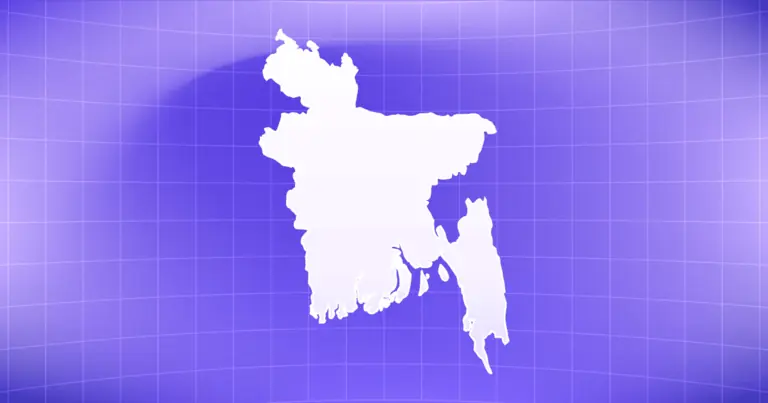
Market Potential: Bangladesh
1. E-commerce Market Overview
Bangladesh’s e-commerce market is rapidly emerging as one of South Asia’s most dynamic digital economies. In 2023, the total online commerce volume surpassed $3.5 billion, with a robust year-over-year growth rate of 25-30% driven by rising internet adoption and mobile usage. Digital payments volume has concurrently surged, exceeding $10 billion annually, reflecting a strong shift from cash to digital channels. Mobile commerce dominates, accounting for over 70% of e-commerce transactions, fueled by widespread smartphone penetration. Forecasts project the market to exceed $7 billion by 2026, positioning Bangladesh as a fast-growing hotspot for digital commerce and payment acceptance.
2. Key Growth Drivers
Several factors underpin Bangladesh’s e-commerce and digital payments boom:
- High smartphone penetration: Over 80% of the population owns smartphones, enabling easy access to mobile commerce platforms.
- Expanding internet coverage: Internet penetration has reached nearly 75%, with ongoing infrastructure investments improving connectivity in rural areas.
- Government digitalization initiatives: The government’s “Digital Bangladesh” agenda actively promotes cashless payments and fintech innovation, including regulatory frameworks for mobile financial services (MFS).
- Fintech innovation: Bangladesh boasts a vibrant fintech ecosystem, with over 50 million registered mobile financial service accounts, making digital wallets and mobile banking widely accessible.
- Young, tech-savvy population: With a median age of 27, the demographic shift favors digital adoption and e-commerce consumption.
This combination ensures sustainable momentum, making Bangladesh a market where early movers can secure significant advantage.
3. Consumer Behavior & Spending Habits
Understanding Bangladeshi consumers is key for merchants entering this market:
- Average order value (AOV): Typically ranges between $25-$40, reflecting growing middle-class purchasing power.
- Cross-border vs. local: While local e-commerce dominates, cross-border shopping is rising, especially for electronics and fashion, driven by competitive pricing and variety.
- Preferred payment methods: Mobile wallets (e.g., bKash, Nagad) lead with 60%+ market share, followed by cash-on-delivery (COD), cards, and emerging Buy Now Pay Later (BNPL) options.
- Device preference: Mobile devices account for 70-75% of traffic and transactions, underscoring the critical importance of mobile-optimized payment solutions.
- Payment culture: Despite historically cash-heavy habits, trust in mobile financial services is rapidly increasing, supported by strong regulatory oversight and consumer protection measures.
Merchants should prioritize mobile-friendly checkout flows and integrate popular local wallets to maximize conversion.
4. Top Trends
Key trends shaping Bangladesh’s payment and e-commerce landscape in the next 2-3 years include:
- Expansion of Mobile Financial Services: Continued growth of MFS platforms like bKash and Nagad will drive digital payments deeper into rural and underserved areas.
- Rise of BNPL and alternative credit: Emerging Buy Now Pay Later models are gaining traction among younger consumers, enabling higher ticket sales and repeat purchases.
- Government regulatory support: Progressive policies around digital KYC, e-commerce taxation, and open finance frameworks will enhance market transparency and trust.
- Growth of cross-border commerce: Increasing consumer appetite for international brands coupled with improving logistics will open new opportunities for foreign merchants.
- Integration of QR code payments: QR-based payments are becoming ubiquitous, simplifying in-store and online transactions and enabling seamless omnichannel experiences.
These trends offer actionable entry points for merchants to differentiate and scale efficiently.
5. Go-to-market Potential
Bangladesh represents a compelling opportunity for merchants targeting fast-growing, mobile-first markets with strong digital payment adoption. Retailers in fashion, electronics, FMCG, and digital services should seriously consider establishing a presence early to capitalize on the expanding middle class and government-backed digitalization. However, success requires localized payment integrations — especially mobile wallets and cash-on-delivery options — and a deep understanding of consumer preferences. For C-level executives, Bangladesh offers a strategically important gateway into South Asia’s emerging digital economy, but the key to winning is agility and local market expertise.
Payments Landscape
📘 Intro
Bangladesh’s payment landscape is rapidly evolving, blending traditional cash habits with growing digital adoption driven by mobile financial services. For merchants entering this market, understanding the strong preference for mobile wallets and cash-on-delivery is crucial to optimizing checkout flows and reducing friction. This section outlines the most popular payment methods, local user behaviors, and the risks merchants should anticipate to maximize conversions and minimize losses.
Payment Methods in Use
In Bangladesh, cash remains king, especially outside major cities, but digital payments are gaining significant ground thanks to widespread mobile phone penetration. Mobile Financial Services (MFS) such as bKash, Nagad, and Rocket dominate the digital payments scene, with bKash holding the largest market share. These wallets are primarily used for peer-to-peer transfers, bill payments, and increasingly for online purchases via QR codes and embedded payment forms. Merchants should prioritize integrating bKash and Nagad as payment options to meet consumer expectations.
Card payments, mainly Visa and Mastercard, are less common but growing among urban populations and younger consumers. Card acceptance is often limited to larger merchants and international brands. Payment flows typically involve redirects to bank or card issuer pages with 3D Secure (3DS) authentication. Recurring payments are rare but possible with card-on-file setups for subscription services, though local consumers show a cautious approach to storing card data.
Cash on delivery (COD) remains highly prevalent, especially in e-commerce sectors like fashion and electronics, reflecting lingering trust issues with digital payments and delivery reliability concerns. Buy Now, Pay Later (BNPL) and crypto payments have minimal traction currently and are not widely supported by local providers.
| Method | Popularity | Use Case | Risk | Recurring |
|---|---|---|---|---|
| bKash | ⭐⭐⭐⭐⭐ | Mobile wallet, QR checkout | 🟢 Low | ❌ |
| Nagad | ⭐⭐⭐⭐ | Mobile wallet, bill pay | 🟢 Low | ❌ |
| Visa | ⭐⭐ | Urban e-commerce, intl. | 🟡 Medium | ✅ |
| Cash on Delivery | ⭐⭐⭐⭐⭐ | Offline purchases | 🟠 Medium | ❌ |
Conversion & UX Patterns
Mobile devices dominate internet access in Bangladesh, so checkout experiences must be fully optimized for small screens. Consumers expect quick, simple flows with minimal typing — this favors embedded payment forms and QR code scanning over multi-step redirects. For MFS payments like bKash, integrating QR code scanning directly in-app or on mobile web is the most seamless approach.
Local shoppers prefer Bengali language interfaces and prices displayed in Bangladeshi Taka (BDT). Offering these localizations builds trust and reduces abandonment. Multi-step checkouts are common but should be kept concise, ideally consolidating shipping, payment, and confirmation into 2-3 screens.
One-click payments and card-on-file options are still emerging but can boost retention for subscription models, especially among urban users familiar with cards. However, many consumers remain wary of saving card details, so offering alternative wallet or COD options is essential.
Fraud & Chargeback Risks
Fraud levels in Bangladesh are moderate but rising as digital payments expand. Card testing fraud — where attackers try small charges to validate stolen card numbers — is common, particularly targeting international cards on local merchant sites. Merchants should implement velocity limits per IP and BIN (Bank Identification Number) to mitigate this.
Chargebacks are less frequent due to the predominance of cash and wallet payments, which do not support chargebacks in the traditional sense. However, COD returns and refund abuse can pose challenges, especially in fashion and electronics sectors. Clear return policies and verification steps at delivery help reduce losses.
3D Secure (3DS) authentication is widely supported for card payments and should be enabled to reduce fraud risk. Mobile wallets like bKash use PIN or biometric verification, adding a strong layer of security. OTP (One-Time Password) via SMS is a common local security habit and often integrated into payment flows.
| Risk Type | Level | Common Trigger | Mitigation Tip |
|---|---|---|---|
| Card testing | 🔴 | Repeated small card charges | Implement per-IP and BIN limits |
| Refund abuse | 🟡 | COD returns in return-prone categories | Enforce strict return policies |
| Chargebacks | 🟡 | Non-3DS card payments | Always enable 3DS authentication |
Final Summary
To succeed in Bangladesh, merchants should prioritize mobile wallet integrations, especially bKash and Nagad, and offer cash on delivery for broader reach. Optimizing mobile-first, Bengali-language checkouts with local currency display will enhance conversion rates. Enable 3D Secure on card payments and implement fraud controls like velocity checks to minimize chargebacks and card testing. Start with these steps to build trust and capture the growing digital shopper base in Bangladesh’s unique payments ecosystem.
PSP Landscape in Bangladesh
PSP Market Overview
The Payment Service Providers in Bangladesh operate within a rapidly evolving and increasingly digitalizing financial ecosystem. The PSP market is characterized by a mix of emerging fintechs, established bank acquirers, and a growing presence of international players, though local providers dominate due to regulatory preferences and market familiarity. The market remains somewhat fragmented, with a strong focus on mobile financial services (MFS) and digital wallets, reflecting Bangladesh’s high mobile penetration and government initiatives promoting cashless transactions. Key verticals served include eCommerce, mobile top-ups, remittances, and micro-merchant POS deployments, with growing interest from SaaS and high-risk sectors like gaming and digital content. Despite infrastructural challenges, the market is expanding steadily, driven by increasing internet access and the government's push for financial inclusion.
PSP Types in the Local Market
| PSP Type | Description | Market Role | Typical Users |
|---|---|---|---|
| Local PSPs | Homegrown fintechs and payment facilitators licensed by Bangladesh Bank. | Primary facilitators of mobile wallets, QR payments, and local eCommerce integration. | SMEs, micro-merchants, digital startups |
| International PSPs | Global payment gateways with limited local presence, often via partnerships. | Enable cross-border payments and international card acceptance. | Exporters, marketplaces, SaaS firms |
| Aggregators & Platforms | Payment facilitators bundling multiple PSP services and payment methods. | Simplify onboarding and provide multi-channel payment acceptance. | E-commerce platforms, marketplaces, SMBs |
| Bank Acquirers | Commercial banks offering merchant acquiring and PSP services. | Provide settlement infrastructure and compliance oversight. | Larger merchants, corporates, high-volume sellers |
PSP Discovery Considerations
- Market Transparency: The PSP landscape in Bangladesh is moderately transparent; however, detailed pricing and service level information are often not publicly disclosed, requiring direct engagement or local partnerships to obtain accurate data.
- Entry Points for Merchants: Many merchants discover PSPs through banking relationships, especially since bank acquirers play a significant role in merchant onboarding. Additionally, fintech incubators and local consultancy firms act as gateways, particularly for startups and SMEs.
- Regulatory Influence: Bangladesh Bank’s tight regulatory environment means many PSPs operate within closed or semi-closed networks, limiting the visibility of some smaller or niche providers.
- Hidden Obstacles: Integration complexity with local payment rails (e.g., bKash, Nagad) and compliance with Know Your Customer (KYC) and Anti-Money Laundering (AML) regulations can delay PSP onboarding and require specialized local knowledge.
Selection Factors
Choosing a PSP to accept payments in Bangladesh requires careful consideration of several critical factors. Foremost is the coverage of local payment methods, particularly mobile financial services like bKash, Nagad, and Rocket, which dominate consumer payment behavior. International card acceptance is important for export-oriented merchants, but local wallets and bank transfers often drive volume domestically.
Payout and settlement options vary widely; some PSPs offer daily settlements via local banks, while others may have longer cycles or limited currency options, impacting cash flow management. Risk verticals such as gaming, crypto, and adult content face stricter scrutiny and fewer PSP options due to regulatory constraints and cautious risk policies.
Integration flexibility is another key factor. PSPs offering robust APIs, SDKs, and plugins for popular eCommerce platforms enable faster time-to-market, while those reliant on manual processes or legacy systems can slow merchant onboarding and innovation.
Key selection criteria:
- Comprehensive support for dominant local wallets and bank transfers
- Competitive and transparent settlement timelines and currency options
- Clear policies and capabilities for high-risk verticals
- Flexible, developer-friendly integration tools and support
Notable PSPs in Bangladesh
| PSP Name | Type | Payment Methods Supported | Ideal Merchant Profile | Unique Features / Positioning |
|---|---|---|---|---|
| bKash | Local | Mobile wallets, QR payments, bank transfers | Micro-merchants, SMEs, eCommerce | Largest mobile wallet, extensive agent network |
| Nagad | Local | Mobile wallets, QR payments | SMEs, digital merchants | Government-backed, competitive pricing |
| SSLCommerz | Hybrid | Cards, mobile wallets, bank transfers, eWallets | E-commerce, marketplaces | Leading payment gateway with wide local method support |
| QPay | Local | Cards, mobile wallets, bank transfers | SMEs, corporates | Strong bank partnerships, multi-channel acceptance |
| Payoneer | International | Cross-border payments, cards, bank transfers | Exporters, freelancers | Global payout network, focus on international trade |
| NagadPay | Local | Mobile wallets, QR codes | Digital startups, SMEs | Fast onboarding, API integrations |
| iPay | Local | Cards, mobile wallets, bank transfers | SMBs, marketplaces | Competitive pricing, strong local merchant support |
This landscape overview equips merchants with actionable insights to navigate and choose among Payment Service Providers in Bangladesh effectively, balancing local market nuances with their business needs.
Compliance & Regulatory Landscape: Bangladesh
Regulatory Bodies and Licensing
In Bangladesh, the regulation of online payments and the broader financial sector is primarily overseen by the Bangladesh Bank (বাংলাদেশ ব্যাংক), the country’s central bank and financial regulator. Bangladesh Bank is responsible for supervising payment systems, issuing licenses to payment service providers (PSPs), and ensuring compliance with financial laws.
For entities involved in online payment processing, the key licensing categories include:
| License Type | Description | Applicable To | Notes |
|---|---|---|---|
| Payment Service Provider (PSP) License | Authorization to operate payment gateways, wallets, and related services | Domestic PSPs | Required for local companies offering payment services |
| Electronic Money Institution (EMI) License | Allows issuance and management of electronic money | Financial institutions and select PSPs | Not widely issued; regulated by Bangladesh Bank |
| Acquiring Bank License | Banks authorized to acquire merchant transactions | Licensed banks | Must comply with Bangladesh Bank’s merchant acquiring rules |
| Mobile Financial Service (MFS) License | Specific to mobile wallet and mobile banking services | MFS operators (e.g., bKash, Nagad) | Regulated under Bangladesh Bank’s MFS regulations |
Foreign PSPs generally cannot operate directly in Bangladesh without partnering with a local licensed entity. Cross-border payment processing is possible but must comply with Bangladesh Bank’s foreign exchange and remittance regulations.
Merchant Requirements for Accepting Payments in Bangladesh
Merchants aiming to accept online payments from Bangladeshi customers face several key regulatory requirements:
- Local Company Registration: To open a merchant account with Bangladeshi banks or PSPs, local company registration is generally required. This ensures compliance with tax and regulatory frameworks.
- Foreign Merchants: International merchants can accept payments through global PSPs (e.g., PayPal, Stripe) if those PSPs have arrangements to process Bangladeshi cards or payment methods. However, direct acquiring by foreign banks is restricted.
- Special Sector Permits: Certain industries like online gambling, cryptocurrency trading, and adult content are heavily regulated or prohibited. Merchants in these sectors may need special licenses or may be outright banned.
- Tax Compliance: Merchants must register for VAT (Value Added Tax) and comply with the National Board of Revenue (NBR) requirements. Failure to comply can result in penalties and blocked payment processing.
- Restricted Industries: Bangladesh restricts or bans payment acceptance in sectors involving gambling, narcotics, and unlicensed financial schemes.
Overall, merchants should engage with local legal counsel or payment experts to ensure full compliance before launching payment acceptance in Bangladesh.
Financial, AML & KYC Obligations
Bangladesh enforces stringent Anti-Money Laundering (AML) and Know Your Customer (KYC) regulations, aligned with Financial Action Task Force (FATF) recommendations and local laws:
- KYC/AML Requirements: PSPs and acquiring banks must perform thorough KYC checks on merchants and customers, including identity verification, business registration validation, and beneficial ownership disclosure.
- Regulatory Framework: The primary legislation includes the Anti-Money Laundering Act, 2012 (amended 2015) and guidelines issued by Bangladesh Bank. PSPs must report suspicious transactions to the Financial Intelligence Unit (FIU).
- Merchant Onboarding: Merchants must submit valid business licenses, tax identification numbers, and proof of address. Enhanced due diligence applies for high-risk industries or large transaction volumes.
- Transaction Monitoring: PSPs are required to monitor transactions for unusual patterns, transaction limits, and source of funds. Cross-border payments are subject to additional scrutiny under Bangladesh Bank’s foreign exchange regulations.
- Reporting Obligations: Suspicious transaction reports (STRs) must be submitted promptly to the FIU. Non-compliance can lead to license suspension or fines.
Merchants should maintain transparent financial records and cooperate with PSPs during compliance checks to avoid disruptions.
Data Protection & Privacy Laws in Bangladesh
Bangladesh currently lacks a comprehensive data protection law equivalent to the EU’s GDPR. However, data privacy and security are increasingly emphasized, particularly in financial services:
- Data Protection Status: While there is no dedicated data protection legislation, the Information and Communication Technology (ICT) Act, 2006 and its amendments address unauthorized access and data breaches.
- Supervisory Authority: There is no standalone data protection authority. Bangladesh Bank provides guidance on data security for financial institutions and PSPs.
- Data Localization: There are no explicit data localization mandates, but financial data must be securely handled in compliance with Bangladesh Bank’s cybersecurity guidelines.
- Cross-Border Data Transfers: PSPs transferring payment data internationally should ensure contractual safeguards and comply with any sector-specific rules.
- Industry-Specific Rules: Banks and PSPs must follow Bangladesh Bank’s circulars on IT security, customer data confidentiality, and fraud prevention.
Merchants and PSPs operating in Bangladesh should implement robust data protection measures and stay alert to evolving regulations.
Helpful Resources & Official Links
- Bangladesh Bank (বাংলাদেশ ব্যাংক) — Central bank and financial regulator
- Anti-Money Laundering Act, 2012 (English) — AML law text
- National Board of Revenue (NBR) — Tax authority and VAT registration
- Financial Intelligence Unit (FIU) — Reporting suspicious transactions
- ICT Act, 2006 — Cybersecurity and data protection framework
- Bangladesh Bank Circulars — Regulatory guidelines for banks and PSPs
Understanding Bangladesh’s compliance landscape is essential for any merchant or PSP aiming to operate successfully in this growing market. While the regulatory environment is evolving, adherence to licensing, AML/KYC, tax, and data security requirements will ensure smooth payment acceptance and build trust with local customers.
Onboarding Process in Bangladesh
Overview
Onboarding with payment service providers (PSPs) in Bangladesh presents a unique set of opportunities and challenges shaped by the country’s evolving digital economy and regulatory environment. Bangladesh’s rapid growth in e-commerce and mobile financial services has attracted many merchants eager to accept online payments. However, the onboarding process is influenced by stringent Know Your Customer (KYC) regulations, local banking partnerships, and compliance with the Bangladesh Bank’s guidelines on digital payments. Merchants often face hurdles related to documentation authenticity, language barriers, and risk assessment due to the relatively nascent but fast-changing payment ecosystem.
Understanding these nuances is critical for businesses aiming to establish a smooth onboarding experience and start accepting payments efficiently in Bangladesh. Being well-prepared with the right documentation and aligning business models with regulatory expectations can significantly reduce delays and rejection risks.
Onboarding Journey: Step-by-Step
-
Submit Application to PSP
Merchants begin by submitting an onboarding application to their chosen PSP, either online or through a local branch. This includes providing basic company details, contact information, and payment processing needs. -
Company Verification and KYC Compliance
The PSP conducts thorough KYC checks, verifying the company’s legal status, ownership structure, and the Ultimate Beneficial Owners (UBOs). Documents must be authentic and, where necessary, notarized or apostilled. Bangladesh Bank’s anti-money laundering (AML) policies require strict adherence. -
Website and Product Review
PSPs review the merchant’s website or sales platform to ensure compliance with local laws, including displaying clear refund policies, privacy statements, and terms of service in English and/or Bengali. -
Risk Assessment and Scoring
Based on the submitted documents, product type, and transaction history (if available), the PSP evaluates the merchant’s risk profile. High-risk industries or unclear business models may trigger additional scrutiny or require supplementary documentation. -
Contract Signing and Account Setup
Upon successful verification and risk clearance, the merchant signs a contract with the PSP. This contract is often bilingual (English and Bengali) and outlines fees, settlement periods, and liability clauses. -
Technical Integration and Setup
The merchant integrates the PSP’s payment gateway into their website or app. PSPs typically provide APIs, plugins, or hosted payment pages compatible with popular e-commerce platforms. -
Test Transactions
Before going live, merchants perform test transactions to verify that payment processing, settlement, and reporting functions operate correctly. PSPs may require a minimum number of successful test transactions. -
Go-Live and Continuous Monitoring
After successful testing, the merchant’s payment acceptance goes live. PSPs continuously monitor transaction patterns for fraud prevention and compliance, sometimes requesting periodic document updates or business reviews.
Country-Specific Nuances:
- Many PSPs require the company to have a registered local entity in Bangladesh to comply with Bangladesh Bank regulations.
- Documents in Bengali must be officially translated into English for international PSPs.
- Notarization of key documents is common, and apostilles may be required for foreign companies.
- Language barriers can delay KYC if documents or communications are not bilingual.
Key Documents & Requirements
| Document | Required for | Notes |
|---|---|---|
| Company Registration Certificate | KYC | Must be issued by the Registrar of Joint Stock Companies (RJSC) in Bangladesh |
| Tax Identification Number (TIN) | KYC | Required for tax compliance; issued by National Board of Revenue (NBR) |
| Passport or National ID of UBO | KYC | UBO = Ultimate Beneficial Owner; valid government-issued ID |
| Memorandum and Articles of Association | KYC | Governing documents of the company, must be current |
| Bank Account Proof | KYC | Proof of a local bank account in the company’s name |
| Processing History (if any) | Risk Review | Previous payment processing statements help risk evaluation |
| Website Screenshot & Policy Pages | Product Review | Clear display of refund, privacy, and terms policies |
| Power of Attorney (if applicable) | Authorization | Required if a third party handles onboarding on behalf of the company |
| Notarization or Apostille Certificates | Legal Validation | Especially for foreign entities or translated documents |
Local documentation often requires notarization by a certified notary public, and foreign documents must be apostilled or legalized according to Bangladesh’s diplomatic protocols. Documents in Bengali require certified English translations to be accepted by international PSPs.
Risk Factors & Red Flags
One of the most common reasons for onboarding delays or rejections in Bangladesh is a mismatch between the declared business activity and the actual product or service offered. For example, if a merchant registers as a general trading company but primarily sells digital goods, PSPs may flag this inconsistency during risk review.
Insufficient processing history or lack of verifiable transaction data can also cause skepticism, particularly for new businesses or startups without prior payment acceptance experience. PSPs rely heavily on historical data to assess fraud and chargeback risks.
Websites lacking clear refund policies, privacy statements, or contact details often trigger compliance concerns. In Bangladesh, transparency is critical due to consumer protection laws and increasing regulatory scrutiny.
Certain industries, such as online gambling, adult content, or unlicensed pharmaceuticals, are blacklisted by most local and international PSPs operating in Bangladesh, resulting in automatic rejection.
Finally, incomplete or poorly translated documentation, especially legal and KYC documents, can cause significant onboarding delays. PSPs may request repeated submissions, prolonging the approval process.
Insider Tips from Experts
Establish a Local Legal Entity: Having a registered Bangladeshi company significantly improves trust with PSPs and is often a regulatory requirement. This local presence simplifies bank account opening and compliance with Bangladesh Bank’s guidelines.
Prepare Complete and Translated Documentation in Advance: Ensure all KYC and legal documents are notarized and translated into English by certified translators. Preemptively organizing these materials can reduce back-and-forth and speed up approvals.
Maintain Transparent and Professional Website Policies: Clearly display refund, privacy, and terms of service policies in both English and Bengali. This transparency signals compliance and reduces risk concerns during product reviews.
Leverage Local PSPs Familiar with Bangladesh’s Regulatory Landscape: Partnering with PSPs who understand local requirements and maintain relationships with Bangladesh Bank can streamline onboarding and ongoing compliance.
Demonstrate Processing History or Pilot Transactions: If possible, provide evidence of prior successful payment processing or conduct pilot transactions to build trust and credibility with the PSP’s risk team.
By following these guidelines and understanding the specific onboarding landscape in Bangladesh, merchants can navigate the process efficiently, enabling faster access to the country’s growing online consumer base.
Fees & Settlement
Settlement Currencies
Merchants accepting payments in Bangladesh typically receive their payouts in the local currency, Bangladeshi Taka (BDT). Most Payment Service Providers (PSPs) operating domestically settle funds directly in BDT to comply with Bangladesh Bank’s currency control regulations. Cross-border merchants or foreign entities often face limitations on receiving settlements in foreign currencies such as USD or EUR due to strict foreign exchange controls imposed by the central bank. Consequently, international merchants usually receive payouts after mandatory currency conversion into BDT, which can introduce FX risks and additional conversion fees. Some PSPs offer multi-currency settlement accounts, but these are generally limited and subject to regulatory approval.
Foreign merchants commonly prefer settlement in BDT to avoid delays caused by currency repatriation procedures, but should plan for potential volatility in the Taka exchange rate when converting funds back to their home currency.
Payout Rules & Timing
Payout frequency in Bangladesh varies by PSP but generally follows daily or weekly schedules. Most PSPs process merchant settlements within 1 to 3 business days after transaction clearance, although some offer on-demand payouts subject to minimum thresholds. Settlements are typically batched rather than real-time, with reporting provided via online dashboards or detailed monthly statements.
Local merchants benefit from faster processing times due to simpler KYC and banking relationships. Foreign merchants may experience longer payout cycles due to additional compliance checks, especially for cross-border transactions. Minimum payout thresholds vary but commonly start around BDT 10,000–20,000 (approximately USD 120–240).
Transactions exceeding BDT 1 million (approx. USD 11,800) may undergo additional scrutiny by Bangladesh Bank for anti-money laundering (AML) and currency control compliance, potentially delaying payouts.
Typical Fees
PSP fees in Bangladesh reflect both local market conditions and regulatory requirements. The following table summarizes typical fee structures for merchants operating in Bangladesh:
| Fee Type | Typical Range / Notes |
|---|---|
| Transaction Fees | 2.0% – 3.5% per payment for card and mobile wallet payments; lower rates (1.5%–2.0%) for bank transfers |
| Payout Fees | BDT 50–200 per payout or 0.1%–0.3% of payout amount, depending on PSP and payout method |
| FX Conversion Markups | 1.5% – 3.0% on currency conversion when settling foreign currency transactions into BDT |
| Integration / Setup Fees | One-time fees ranging from BDT 10,000 to 50,000 (USD 120–600), depending on PSP and complexity |
| Chargeback / Dispute Fees | BDT 500–1,000 per chargeback case |
Merchants should also anticipate possible additional charges for value-added services such as fraud prevention or advanced reporting. Cross-border fees apply when funds flow between Bangladesh and foreign bank accounts, often including correspondent bank charges and intermediary fees.
Mobile financial services (MFS) providers like bKash and Nagad offer competitive transaction fees, often lower than card payment PSPs, making them attractive for domestic-focused merchants.
Tax & Withholding Notes
Bangladesh imposes specific tax and withholding rules on merchant settlements through PSPs:
- Withholding Tax: Payment processors are required to deduct withholding tax at rates ranging from 5% to 15% on merchant payouts, depending on the nature of the business and tax residency status. Non-resident companies may face higher withholding tax rates unless a tax treaty applies.
- VAT: Value Added Tax (VAT) at 15% applies to payment processing services, which may be passed on to merchants as part of PSP fees. Merchants registered for VAT can typically reclaim this input VAT under local tax laws.
- Tax Residency Certificates: Foreign merchants must provide valid tax residency certificates to benefit from reduced withholding tax rates under applicable double taxation avoidance agreements (DTAAs). Failure to provide these documents results in standard higher withholding rates.
- Non-Resident Companies: Non-resident merchants operating in Bangladesh via local PSPs should comply with Bangladesh Revenue Board registration and tax filing requirements to avoid withholding tax penalties and ensure smooth settlement processing.
Due to evolving tax regulations, international merchants are advised to consult local tax advisors or their PSP to understand withholding tax obligations and optimize tax efficiency.
Merchants planning to accept payments in Bangladesh should carefully evaluate PSP fee structures, settlement currency options, and tax implications to optimize their pricing strategy and cash flow management. Given the regulatory environment and currency controls, proactive financial planning and collaboration with experienced local PSPs and legal advisors are essential to minimize settlement delays and unexpected costs.
Go-to-Market Strategies
Entering the Bangladesh market requires a nuanced approach shaped by your business model, jurisdiction, risk profile, and anticipated transaction volume. Given the evolving payment landscape and regulatory environment, selecting the right merchant account (MID) setup and payment service provider (PSP) is critical for success. Different merchant types — from local SMEs to international e-commerce platforms — need tailored strategies to optimize acceptance, compliance, and cost efficiency.
Typical Merchant Scenarios
| # | Merchant Profile | Jurisdiction | Risk | Volume | Audience |
|---|---|---|---|---|---|
| 1 | Local SME selling physical goods | Local Bangladesh | Low | Low–Medium | Domestic consumers |
| 2 | Exporter with B2B sales overseas | Local Bangladesh | Medium | Medium | International businesses |
| 3 | International e-commerce targeting BD | Offshore / US / EU | Medium | High | Bangladeshi consumers |
| 4 | Digital services / SaaS company | Offshore / US | High | Low–Medium | Global and BD users |
| 5 | High-risk vertical (gaming, adult, forex) | Offshore | High | Variable | Global and local users |
Recommended Strategy per Scenario
1. Local SME Selling Physical Goods
For local SMEs primarily serving Bangladeshi consumers, partnering with a local PSP or bank-backed payment gateway is optimal. Providers like bKash, Nagad, and SSLCommerz offer strong local brand recognition and support for mobile wallets, which dominate Bangladesh’s payment ecosystem. These PSPs facilitate quick onboarding and ensure compliance with Bangladesh Bank regulations, including KYC and transaction monitoring.
This strategy minimizes risk and maximizes conversion by offering preferred local payment methods. However, expect some limitations on international card acceptance and higher fees for cross-border transactions. For SMEs with low to medium volume, this approach balances cost and convenience effectively.
2. Exporter with B2B Sales Overseas
Exporters based in Bangladesh selling to international business clients should consider hybrid PSP solutions that combine local settlement with global acceptance. Using a local merchant account with BRAC Bank’s payment gateway or Dutch-Bangla Bank’s NexusPay alongside global PSPs like Payoneer or TransferWise for payouts can streamline cross-border flows.
This hybrid approach enables compliance with local foreign exchange regulations while facilitating B2B payments in multiple currencies. The trade-off includes more complex onboarding and reconciliation processes, but it significantly reduces FX risk and improves cash flow predictability.
3. International E-commerce Targeting Bangladesh
International merchants targeting Bangladeshi consumers face challenges due to limited card penetration and regulatory restrictions on foreign MIDs. The recommended strategy is to establish a local entity or partnership to open a Bangladesh-based merchant account with providers like SSLCommerz or ShurjoPay, which support local payment methods including mobile wallets and bank transfers.
Alternatively, global PSPs such as Stripe or Adyen can be used if the business model supports offshore acceptance, but local payment options will be limited, potentially reducing conversion rates. Opening a local MID improves trust and conversion but increases onboarding complexity and compliance obligations.
4. Digital Services / SaaS Company
For SaaS providers operating offshore but serving Bangladeshi and global customers, using global PSPs like Stripe, PayPal, or 2Checkout is typically the fastest route to market. These platforms offer extensive payment method coverage and fraud protection but may not support local mobile wallets or bank transfers in Bangladesh.
If a significant portion of revenue comes from Bangladesh, consider adding a local PSP like bKash or Nagad via integration to capture wallet payments. This dual PSP approach enhances user experience but requires managing multiple payment flows and reconciliation systems.
5. High-Risk Verticals (Gaming, Adult, Forex)
Businesses in high-risk categories face stringent scrutiny and limited PSP options. Offshore merchant accounts through specialized high-risk acquirers like eMerchantBroker or PayKings are often necessary. These providers understand the compliance landscape and offer tailored underwriting but charge higher fees and require rigorous documentation.
Local PSPs generally avoid high-risk verticals due to regulatory constraints and reputational risk. Merchants should prepare for longer onboarding times and maintain robust fraud and AML controls to avoid account termination.
Final Tips
- Consider launching with a global PSP to test market demand quickly, then transition to local PSPs to optimize conversion and compliance as volumes grow.
- Prioritize local payment methods like mobile wallets (bKash, Nagad) early in your checkout flow to capture the dominant Bangladeshi consumer preference.
- Monitor regulatory updates from Bangladesh Bank closely, especially around foreign exchange controls and data localization, to avoid unexpected compliance risks.
FAQ & Expert Tips
Intro
This section draws on real merchant inquiries, support cases, and in-depth market research to address common questions and uncertainties when entering Bangladesh’s digital commerce landscape. Whether you’re assessing payment integration, compliance, or local nuances, these insights aim to clarify key issues and help you confidently open a MID and operate in Bangladesh.
Frequently Asked Questions
🇧🇩 What are the main requirements to open a MID in Bangladesh?
Opening a MID (Merchant Identification) in Bangladesh requires a valid business registration with the local authorities, typically through the Registrar of Joint Stock Companies and Firms (RJSC). Merchants must submit documentation including a trade license, tax identification number (TIN), and a bank account in Bangladesh. Unlike some mature markets, Bangladesh’s KYC (Know Your Customer) process tends to be more documentation-heavy and less automated, so preparing certified copies and local address proof upfront will significantly speed up onboarding.
💳 Which payment methods are most popular for Bangladesh consumers?
In Bangladesh, cash on delivery remains dominant, but digital wallets like bKash and Nagad have rapidly grown in popularity, particularly for mobile and e-commerce payments. Credit and debit card penetration is lower compared to Western markets, so integrating local wallets alongside Visa and Mastercard is critical for maximizing conversion. Unlike the EU where cards dominate, local wallet acceptance is a must-have for merchant success in Bangladesh.
⚠️ What compliance risks should I be aware of when processing payments in Bangladesh?
Bangladesh has strict regulations on foreign currency transactions and cross-border payments enforced by Bangladesh Bank. Merchants must ensure compliance with Anti-Money Laundering (AML) and counter-terrorism financing rules, which requires thorough KYC checks and transparent invoicing. Unlike some markets where compliance is somewhat standardized, Bangladesh’s evolving regulatory environment can lead to unexpected delays or holds on settlement if documentation is incomplete or suspicious.
📄 How long does it typically take to get approved for a MID in Bangladesh?
The approval timeline usually ranges from two to six weeks, depending on the completeness of your documentation and the payment provider’s local partnerships. Delays often occur due to manual verification processes and additional requests for local compliance documents. Compared to faster onboarding in markets like Singapore or the UK, Bangladesh requires more patience and proactive document preparation.
🔍 Can foreign merchants open a MID directly, or do they need a local partner?
Foreign merchants generally need a local presence or a registered local entity to open a MID in Bangladesh. Some payment facilitators offer alternative models, such as using their own local entity to onboard merchants, but this can limit control and payout options. Unlike markets like Hong Kong where foreign entities can onboard more easily, Bangladesh’s regulatory framework favors local incorporation or partnerships.
📦 Are there any specific challenges with cross-border e-commerce settlements in Bangladesh?
Yes, cross-border settlements in Bangladesh can face restrictions due to foreign exchange controls and mandatory repatriation rules. Payment providers often have to route payments through correspondent banks, which adds fees and delays. Unlike the EU’s SEPA system offering near-instant euro settlements, Bangladesh’s banking infrastructure is less integrated internationally, so merchants should budget for longer settlement cycles and consider local currency pricing strategies to mitigate FX risks.
Expert Tips
⏱️ Start KYC Preparation Early
Given Bangladesh’s manual and document-heavy KYC process, merchants should assemble all required business licenses, tax documents, and bank verification letters before applying. This proactive approach can reduce onboarding delays from weeks to days.
🚩 Monitor Regulatory Updates Closely
Bangladesh’s payment regulations are evolving rapidly. Staying updated on Bangladesh Bank circulars and AML guidelines helps merchants avoid surprises like sudden transaction holds or frozen accounts.
🧾 Integrate Local Wallets for Higher Conversion
Incorporating popular wallets like bKash and Nagad is not optional but essential in Bangladesh. These wallets dominate mobile payments and consumer trust more than cards, a stark contrast to Western markets.
📉 Prepare for Higher Operational Costs
Payment processing fees, correspondent banking charges, and compliance costs in Bangladesh are generally higher than in developed markets. Merchants should factor these into pricing and cash flow models upfront.
🔄 Build Relationships With Local Payment Partners
Partnering with reputable local acquirers or payment facilitators can smooth onboarding, improve settlement reliability, and provide crucial local market insights that international gateways often lack.
🌍 Consider Local Entity Formation for Full Control
While alternative onboarding models exist, forming a local entity provides greater operational flexibility, access to local banking, and reduces compliance friction, positioning merchants better for long-term growth in Bangladesh.




Comments