

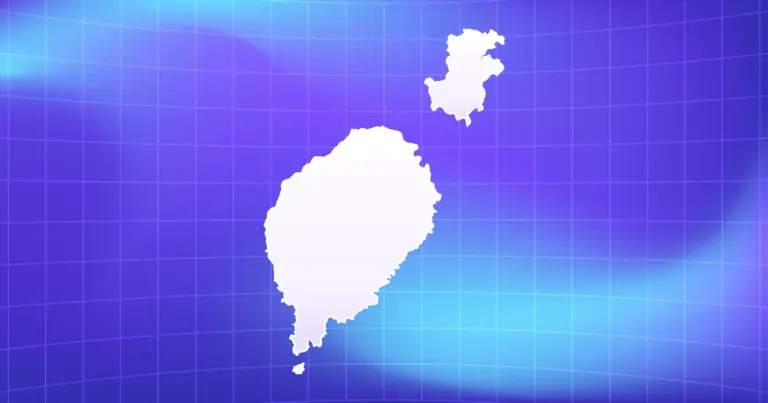
Market Potential: São Tomé and Príncipe
1. E-commerce Market Overview
São Tomé and Príncipe’s e-commerce market is in its nascent stage but presents promising growth potential. While total online commerce volume remains modest due to the country’s small population (around 220,000), digital payments are gaining traction, driven by increasing mobile penetration.
- Estimated e-commerce transaction value is growing at a double-digit annual rate, with forecasts suggesting a 15–20% year-over-year growth over the next 3–5 years.
- Mobile commerce accounts for approximately 60% of digital payment transactions, reflecting the dominance of smartphones as the primary internet access device.
- The rising adoption of mobile money and digital wallets is expanding the digital payments volume, which is expected to double within the next five years.
This early-stage yet rapidly expanding market signals a significant opportunity for merchants willing to enter ahead of broader competition.
2. Key Growth Drivers
Several factors underpin São Tomé and Príncipe’s digital commerce momentum:
- High mobile penetration: Over 80% of the population owns a mobile phone, with increasing smartphone adoption facilitating mobile internet access.
- Government digitalization initiatives: The government is actively promoting financial inclusion and digital infrastructure improvements, including support for mobile money platforms.
- Fintech innovation: Local and regional fintech startups are introducing mobile wallets and payment solutions tailored to the market’s needs, reducing reliance on cash.
- Demographic trends: A young, tech-savvy population with growing internet literacy is driving demand for convenient, digital payment options.
- Cross-border trade potential: São Tomé and Príncipe’s strategic location in the Gulf of Guinea supports emerging cross-border e-commerce, especially with Portuguese-speaking African markets.
These drivers create a sustainable environment for e-commerce and digital payments expansion in the medium term.
3. Consumer Behavior & Spending Habits
Understanding local consumer preferences is key:
- Average order value (AOV): Typically low to moderate, reflecting the country’s income levels, but rising as digital confidence grows.
- Payment preferences: Cash remains prevalent, but mobile money and digital wallets are rapidly gaining trust. Card penetration is limited but growing, especially for international transactions.
- Mobile-first shopping: Over 70% of online shoppers use mobile devices, underscoring the importance of mobile-optimized payment solutions.
- Local vs. cross-border: Consumers show openness to cross-border purchases, particularly from Portuguese-speaking countries and international platforms offering localized payment options.
- Payment culture: A cautious but shifting mindset from cash to cashless payments, driven by convenience and increasing digital literacy.
Merchants should prioritize mobile payment acceptance and offer a mix of local wallet and card options to capture this evolving consumer base.
4. Top Trends
Key trends shaping São Tomé and Príncipe’s payment landscape include:
- Mobile money expansion: Continued rollout of mobile wallet services is enabling wider digital payment adoption beyond urban centers.
- BNPL emergence: Buy Now, Pay Later solutions are starting to appear, appealing to younger consumers seeking flexible payment options.
- Cross-border e-commerce growth: Increasing trade with Lusophone countries and global marketplaces is driving demand for multi-currency and cross-border payment solutions.
- Regulatory modernization: Ongoing efforts to enhance digital finance regulations and promote financial inclusion will improve payment ecosystem trust and security.
- Fintech partnerships: Collaboration between banks, telecom operators, and fintech firms is accelerating innovation and broadening payment acceptance points.
These trends represent actionable opportunities for merchants to tailor payment offerings and capture market share.
5. Go-to-market Potential
São Tomé and Príncipe offers a compelling early-mover advantage for merchants targeting emerging Lusophone African markets. While the market size is currently small, rapid mobile adoption and government-backed digital initiatives create a fertile environment for scalable e-commerce growth. Merchants in mobile-centric sectors such as retail, travel, and digital services should seriously consider entry, especially those able to integrate mobile money and wallet payments. However, success will require patience and localized payment strategies to navigate cash preferences and infrastructure limitations. Overall, São Tomé and Príncipe is a strategic gateway to a growing digital economy poised for expansion.
Payments Landscape
📘 Intro
São Tomé and Príncipe’s payment ecosystem is small but evolving, shaped by limited banking infrastructure and growing mobile connectivity. Understanding the local payment preferences and constraints is crucial for merchants aiming to offer smooth, trusted checkout experiences in this island nation. This section outlines the key payment methods, user behaviors, and fraud considerations to help you optimize your payment stack effectively.
Payment Methods in Use
The dominant payment methods in São Tomé and Príncipe remain cash-based due to limited penetration of traditional banking and card infrastructure. However, mobile money services are gaining traction as affordable and accessible alternatives, especially for younger and urban consumers. Mobile wallets linked to local telecom providers enable peer-to-peer transfers and merchant payments, often using USSD or simple app interfaces. International card schemes like Visa and Mastercard are accepted primarily in major hotels and some stores, but overall card usage is low.
Bank transfers and invoicing are common for B2B transactions, though these are slower and less suited for instant online payments. Buy Now, Pay Later (BNPL) and crypto adoption are minimal, constrained by regulatory and technological factors. QR code payments are emerging but still rare, mostly in pilot phases or at select merchants. Recurring payments are uncommon due to limited subscription-based services and low card-on-file adoption.
Typical checkout flows favor simple, direct methods: mobile money payments often require redirecting users to telecom payment portals or USSD codes, while card payments use embedded forms with basic 3D Secure authentication. Merchants should prepare for fallback options like cash on delivery, as many consumers still prefer tangible payment methods.
| Method | Popularity | Use Case | Risk | Recurring |
|---|---|---|---|---|
| Mobile Money | ⭐⭐⭐⭐ | Everyday purchases, P2P | 🟡 Medium | ❌ |
| Visa/Mastercard | ⭐⭐ | Tourism, larger retail | 🟠 Medium | ✅ |
| Bank Transfer | ⭐ | B2B, invoicing | 🟢 Low | ✅ |
| Cash | ⭐⭐⭐⭐⭐ | Informal economy, fallback | 🟠 Medium | ❌ |
Conversion & UX Patterns
Mobile devices dominate internet access in São Tomé and Príncipe, so optimizing for mobile checkout is essential. Consumers expect quick, lightweight pages that load well on slower connections. Multi-step checkouts can increase drop-off rates; streamlined, one-page checkouts with minimal input fields perform better.
Local shoppers prefer Portuguese language interfaces and prices displayed in the Central African CFA franc (XAF), the official currency. Currency conversion transparency is important when accepting international cards to avoid surprise fees. Embedded payment forms are favored over redirection when possible, reducing friction and increasing trust.
One-click payments and card-on-file options are rare due to low card usage and consumer concerns about security. However, retry mechanisms for failed payments — especially mobile money attempts — can improve conversion, as network issues or input errors are common.
Fraud & Chargeback Risks
Fraud levels in São Tomé and Príncipe are moderate but growing as digital payments increase. Card-not-present fraud is less prevalent due to limited card usage, but mobile money scams such as SIM swap fraud and social engineering are notable risks. Merchants should be vigilant about verifying mobile numbers and transaction amounts.
Non-3DS card transactions carry higher chargeback risks, particularly for international cards used by tourists. Implementing 3D Secure authentication reduces fraud and chargebacks significantly. Velocity checks on payment attempts and IP address monitoring help detect suspicious activity.
Local security habits rely heavily on one-time passwords (OTP) sent via SMS for mobile money and some card transactions, providing an additional layer of protection. Email verification is less common but recommended for account creation and order confirmation.
| Risk Type | Level | Common Trigger | Mitigation Tip |
|---|---|---|---|
| SIM Swap Fraud | 🟠 | Mobile money account takeover | Require multi-factor authentication |
| Card Testing | 🟡 | Small repeated charges | Use per-IP and BIN transaction limits |
| Chargebacks | 🟠 | Non-3DS international cards | Enforce 3D Secure and clear policies |
Final Summary
To succeed in São Tomé and Príncipe, merchants should prioritize mobile money integration and optimize for mobile-first checkout flows with Portuguese language and CFA franc pricing. Prepare fallback options like cash on delivery, and implement strong fraud controls including OTP verification and 3D Secure for cards. By tailoring your payments approach to local habits and infrastructure, you can reduce friction, build trust, and increase conversion in this unique market.
PSP Landscape in São Tomé and Príncipe
PSP Market Overview
The Payment Service Providers in São Tomé and Príncipe operate within a nascent and evolving payments ecosystem. The market remains relatively underdeveloped compared to larger African economies, characterized by limited digital payment infrastructure and a strong reliance on cash transactions. The PSP landscape is fragmented, with a small number of local players primarily focused on mobile money and basic card acceptance solutions. International PSPs have limited direct presence, often relying on regional partnerships to facilitate cross-border payments. The dominant players include local fintech startups offering mobile wallet services, regional bank acquirers, and a few aggregators targeting eCommerce and remittance verticals. Given the country’s economic profile, the primary verticals served are retail, micro-merchants, and remittances, with emerging interest in tourism-related POS payments. Overall, Payment Service Providers in São Tomé and Príncipe are gradually expanding digital acceptance but still face infrastructural and regulatory constraints.
PSP Types in the Local Market
| PSP Type | Description | Market Role | Typical Users |
|---|---|---|---|
| Local PSPs | Small fintech firms and mobile money operators offering wallet and payment acceptance services. | Provide mobile payments and basic card acceptance, often integrating with local banks. | Micro-merchants, SMEs, consumers using mobile money. |
| International PSPs | Global PSPs with indirect presence via partnerships or regional hubs (e.g., Flutterwave, PayPal via partners). | Facilitate cross-border payments, eCommerce, and remittances. | Exporters, online merchants, diaspora sending money. |
| Aggregators & Platforms | Payment aggregators bundling multiple payment options including mobile money, cards, and bank transfers. | Simplify acceptance for online merchants, often integrating local and international methods. | eCommerce platforms, marketplaces, SaaS providers. |
| Bank Acquirers | Local banks providing merchant acquiring services and card processing. | Enable POS and card acceptance, often with limited digital innovation. | Brick-and-mortar retailers, SMEs with physical stores. |
PSP Discovery Considerations
- Limited Public Information: The São Tomé and Príncipe PSP market lacks comprehensive public directories or transparent pricing information, making direct market comparison challenging.
- Reliance on Banking Relationships: Merchants typically discover PSPs through their existing bank relationships, as banks remain primary gateways for merchant acquiring and payment acceptance.
- Regional Partner Networks: Many international PSPs operate through regional partners or aggregators, requiring merchants to navigate indirect channels to access global payment methods.
- Mobile Money Ecosystem as Entry Point: Given the prominence of mobile money, merchants often first engage with mobile operators or fintech startups, which act as informal PSPs before scaling to broader acceptance solutions.
Selection Factors
Choosing a PSP in São Tomé and Príncipe hinges on several critical factors shaped by the market’s unique characteristics. First, payment method coverage is paramount; merchants should prioritize PSPs supporting local mobile money services alongside international card schemes to maximize customer reach. Payout and settlement options require careful consideration, as local banking infrastructure may delay settlements or limit currency options — PSPs offering regional settlement hubs or multicurrency accounts provide a competitive advantage. Risk verticals such as gaming or crypto remain largely unserved or heavily regulated, so merchants in these sectors must verify PSP compliance and risk appetite. Integration flexibility is also crucial, as many local PSPs provide basic APIs or SDKs, whereas international aggregators may offer more robust, scalable solutions suited for eCommerce or SaaS platforms.
Key selection criteria:
- Support for local mobile money and international cards (Visa, Mastercard)
- Efficient payout mechanisms with transparent settlement timelines
- Compliance with local regulatory frameworks and vertical-specific risk policies
- Integration capabilities matching merchant technical resources and growth plans
Notable PSPs in São Tomé and Príncipe
| PSP Name | Type | Payment Methods Supported | Ideal Merchant Profile | Unique Features / Positioning |
|---|---|---|---|---|
| NgolaPay | Local | Mobile money, local bank transfers | Micro-merchants, SMEs | Local mobile wallet focused on domestic P2P and merchant payments |
| Ecobank Pay | Regional Bank | Cards (Visa, Mastercard), mobile money | SMEs, brick-and-mortar retailers | Pan-African bank acquirer with regional settlement and POS terminals |
| Flutterwave | International | Cards, mobile money, bank transfers, USSD | eCommerce, marketplaces | Global PSP with regional integration, supports cross-border payments |
| Paystack (by Stripe) | International | Cards, mobile money, bank transfers | SaaS, online merchants | Robust API, popular among tech-savvy merchants for scalable eCommerce |
| M-Pesa (via partners) | Regional Mobile Money | Mobile money, airtime payments | Micro-merchants, consumers | Leading mobile money brand in Africa, accessible through regional partnerships |
| DPO Group | Regional Aggregator | Cards, mobile money, bank transfers | Marketplaces, SMEs | Aggregator offering multi-country coverage with local payment options |
| Interswitch | Regional | Cards, mobile money, bank transfers | SMEs, eCommerce | Pan-African PSP with growing presence in Central Africa, offering integrated payment solutions |
This overview equips merchants aiming to accept payments in São Tomé and Príncipe with a clear understanding of the PSP ecosystem, enabling informed decisions when choosing a PSP and navigating the local payment landscape.
Compliance & Regulatory Landscape: São Tomé and Príncipe
São Tomé and Príncipe, a small island nation in Central Africa, is gradually developing its financial and digital payment infrastructure. For online merchants and global businesses aiming to accept payments from local customers, understanding the regulatory and compliance environment is crucial to operate smoothly and mitigate risks. This section provides a detailed overview of the legal framework, licensing requirements, and compliance obligations relevant to payment acceptance in São Tomé and Príncipe.
Regulatory Bodies and Licensing for Online Payments in São Tomé and Príncipe
The financial sector and payment services in São Tomé and Príncipe are primarily regulated by the Central Bank of São Tomé and Príncipe (Banco Central de São Tomé e Príncipe, BCSTP). The BCSTP oversees banking activities, payment system operations, and financial institutions’ compliance with national laws.
There is no fully developed or separate licensing regime specifically for Payment Service Providers (PSPs) or Electronic Money Institutions (EMIs) as seen in larger markets. Instead, financial service providers, including banks and non-bank financial institutions, are licensed and regulated under the general banking and financial sector framework.
| License Type | Description | Applicable To | Notes |
|---|---|---|---|
| Banking License | For commercial banks offering deposit and payment services | Banks and financial institutions | Required for direct payment acquiring |
| Non-Bank Financial Institution | For entities offering limited financial services | Some PSP-like entities | Limited scope, no dedicated PSP license |
| Payment Institution (Not formal) | No formal PSP license yet; payments handled via banks | PSPs operate through banks | Foreign PSPs usually partner with local banks |
Foreign or cross-border PSPs cannot operate independently without a local banking partner or presence. Most online payment acceptance in São Tomé and Príncipe happens through international PSPs with partnerships or via correspondent banking relationships.
Merchant Requirements to Accept Payments in São Tomé and Príncipe
For merchants targeting São Toméan customers, the regulatory environment is relatively straightforward but requires attention to local business norms:
- Local Company Registration: Not strictly mandatory for foreign merchants selling to São Toméan customers online. However, local registration may be required if the merchant wants to open a local bank account or obtain certain permits.
- Use of International PSPs: Foreign merchants commonly accept payments via international PSPs (e.g., PayPal, Stripe) without needing local licenses, though these PSPs typically handle compliance on their side.
- Licenses for Regulated Sectors: Activities such as online gambling, cryptocurrency trading, or financial services may require specific licenses or are heavily restricted. São Tomé and Príncipe currently lacks a clear regulatory framework for crypto businesses.
- Tax Compliance: Merchants with a local presence must comply with São Tomé and Príncipe’s tax laws, including VAT and corporate tax. Foreign merchants should consult local tax advisors regarding obligations.
- Restricted Industries: There are no publicly detailed blacklists, but businesses involved in money laundering, terrorism financing, or prohibited goods are naturally restricted under national laws.
Financial, AML & KYC Obligations in São Tomé and Príncipe
São Tomé and Príncipe enforces Anti-Money Laundering (AML) and Counter-Terrorism Financing (CTF) regulations aligned with international standards, including recommendations from the Financial Action Task Force (FATF).
- KYC Requirements: Banks and financial institutions, including PSPs operating locally, must perform customer due diligence (CDD) and Know Your Customer (KYC) checks. Merchants working with local banks may be required to provide detailed business and ownership information.
- AML Framework: The country’s AML law mandates reporting suspicious transactions to the Financial Intelligence Unit (Unidade de Inteligência Financeira, UIF). Merchants themselves are generally not the primary AML reporters but must comply if regulated.
- Transaction Monitoring: Financial institutions conduct ongoing monitoring of transactions, especially for large or unusual payments. Merchants should be prepared to provide source of funds information if requested.
- Limits and Controls: While no explicit transaction limits are publicly codified for merchants, PSPs and banks may impose thresholds based on risk assessments.
Data Protection & Privacy Laws in São Tomé and Príncipe
São Tomé and Príncipe does not currently have a dedicated data protection law equivalent to the EU’s GDPR. However, the country is increasingly aware of privacy and data security issues, especially as digital services grow.
- Data Protection Framework: There is no comprehensive national data protection authority or legislation yet. Businesses handling personal data must rely on general principles of confidentiality and any sector-specific rules.
- Cross-Border Data Transfers: No formal restrictions exist on transferring personal data outside São Tomé and Príncipe, but businesses should ensure compliance with the data protection laws of the customers’ jurisdictions.
- Financial Data: Banks and financial institutions maintain strict confidentiality under banking secrecy laws, which indirectly protect customer data.
- Emerging Trends: As São Tomé and Príncipe’s digital economy develops, data protection laws may evolve. Merchants and PSPs should monitor regulatory updates.
Helpful Resources & Official Links
- Banco Central de São Tomé e Príncipe (BCSTP) — Central bank and financial regulator official site (Portuguese)
- Financial Intelligence Unit (UIF) — AML reporting authority (Portuguese)
- São Tomé and Príncipe Government Portal — Official government site with legal information
- Law No. 1/2017 on Anti-Money Laundering and Terrorism Financing (Portuguese) — Key AML legislation text
- World Bank Doing Business Report: São Tomé and Príncipe — Overview of business and regulatory environment
In summary, São Tomé and Príncipe’s payment acceptance landscape is currently modest in terms of regulatory complexity. Merchants can generally accept payments via international PSPs without local licensing, but should be mindful of local AML requirements and sector-specific restrictions. As the financial sector matures, expect evolving rules on licensing and data protection. Staying connected with the BCSTP and local legal advisors will ensure compliance and smooth operation in this emerging market.
Onboarding Process in São Tomé and Príncipe
Overview
Onboarding with payment service providers (PSPs) in São Tomé and Príncipe involves navigating a developing financial ecosystem characterized by limited local payment infrastructure and a growing interest in digital commerce. Merchants seeking to accept online payments here often face unique challenges such as scarce local PSP options, the necessity of partnering with regional or international providers, and compliance with evolving regulatory standards. Despite these hurdles, the onboarding process is straightforward when adequately prepared, especially for businesses that maintain clear documentation and align their operations with local legal frameworks.
The typical onboarding journey in São Tomé and Príncipe requires extra attention to KYC (Know Your Customer) and risk assessment procedures, as PSPs carefully evaluate merchants due to the country’s emerging market status. Understanding these nuances can help merchants reduce delays and improve approval chances.
Onboarding Journey: Step-by-Step
-
Submit Application to PSP
Merchants initiate the process by completing an application form with a PSP, either local (limited) or international providers servicing the region. It is essential to provide accurate business details and specify the types of products or services offered. -
Company Verification (KYC, UBO, Legal Documents)
PSPs require verification of the legal entity through KYC checks, including identification of Ultimate Beneficial Owners (UBOs). Documents must be valid, translated into English or Portuguese, and sometimes notarized depending on the PSP’s policy. -
Website & Product Review
The PSP conducts a thorough review of the merchant’s website or sales platform to ensure compliance with local laws and international payment standards. This includes verifying the presence of refund policies, privacy statements, and clear product descriptions. -
Risk Scoring & Compliance Checks
Given São Tomé and Príncipe’s emerging market status, PSPs apply stringent risk assessments. This includes evaluating the merchant’s industry, transaction volumes, and geographic reach. High-risk sectors or mismatches between declared business activity and actual products may trigger additional scrutiny. -
Contract Signing & Account Creation
Once approved, merchants sign a contract that outlines terms, fees, and operational procedures. The PSP then creates the merchant account, enabling access to payment acceptance tools. -
Technical Setup
Merchants integrate the PSP’s payment gateway into their website or app. This step may require technical assistance to ensure compatibility and security, including PCI DSS compliance. -
Test Transactions
Prior to going live, merchants perform test transactions to verify payment flow, settlement times, and refund processes. This step helps identify and resolve technical or operational issues. -
Go-Live & Monitoring
After successful testing, merchants begin accepting live payments. PSPs continue to monitor transactions for fraud and compliance, and may request additional information if suspicious activity arises.
Country-Specific Nuances:
Due to limited local PSPs, many São Tomé and Príncipe merchants partner with regional African or European providers who require documentation in Portuguese or English. Notarization of documents may be requested, and some PSPs require apostilles for foreign-issued documents. Language barriers can be mitigated by preparing translated documents in advance.
Key Documents & Requirements
| Document | Required for | Notes |
|---|---|---|
| Company Registration | KYC | Must be official and translated into English or Portuguese |
| Passport or ID of UBO(s) | KYC | Clear copies, valid, and translated if not in English/Portuguese |
| Proof of Address | KYC | Utility bills or bank statements dated within last 3 months |
| Processing History | Risk Review | Optional but beneficial for merchants with prior payment volumes |
| Website URL & Terms | Product Review | Must include refund, privacy, and terms of service policies |
| Bank Account Details | Account Setup | Local or international bank account for settlements |
| Tax Identification Number | Compliance | Required for tax and regulatory verification |
Local documentation challenges include the need for notarization and apostilles for some documents, especially when working with international PSPs. Merchants should prepare certified translations to avoid delays.
Risk Factors & Red Flags
One common reason for onboarding rejection in São Tomé and Príncipe is a mismatch between the merchant’s declared business model and the actual products or services offered. For example, a merchant registering as a retailer but selling digital services without proper disclosure may face delays or denial.
Insufficient processing history or lack of transaction volume data can also cause PSPs to hesitate, as they rely on past performance to assess risk. New businesses without a clear sales record should be prepared to provide detailed business plans and forecasts.
Websites lacking critical compliance elements such as clear refund policies or privacy statements often trigger red flags. PSPs prioritize consumer protection and regulatory adherence, so incomplete or non-transparent merchant platforms can result in onboarding failure.
Certain industries, including gambling, adult content, and unregulated financial services, are frequently blacklisted or subjected to heightened scrutiny. Merchants operating in these sectors should anticipate longer approval times or may need to seek specialized PSPs.
Insider Tips from Experts
Establish a Local Legal Entity or Representative
While not always mandatory, having a registered local presence in São Tomé and Príncipe significantly improves trust with PSPs and eases compliance verification.
Prepare Complete and Translated Documentation in Advance
Submitting notarized and English or Portuguese-translated documents upfront reduces the risk of delays caused by requests for additional paperwork.
Maintain a Professional, Transparent Website
Ensure your online platform includes comprehensive terms of service, privacy policies, and refund procedures to meet PSP compliance standards.
Demonstrate Processing History or Provide Detailed Business Plans
If you lack transaction history, detailed projections and explanations of your business model can reassure PSPs and smooth the risk assessment.
Engage with PSPs Offering Regional Expertise
Partnering with providers experienced in the Central African market can help navigate local regulatory nuances and speed up onboarding.
By following these best practices and understanding the specific onboarding landscape in São Tomé and Príncipe, merchants can successfully integrate payment acceptance solutions and unlock the potential of this emerging market.
Fees & Settlement
Settlement Currencies
Merchants operating in São Tomé and Príncipe typically receive their payment settlements in the São Tomé and Príncipe dobra (STN), which is the official local currency. Most local Payment Service Providers (PSPs) and banks process payouts exclusively in STN due to currency control regulations and the limited liquidity of foreign currencies within the domestic banking system. Cross-border merchants or international PSPs may offer settlement options in EUR, given São Tomé and Príncipe’s historical and economic ties to Portugal and the Eurozone. However, such options are less common and often subject to additional foreign exchange (FX) fees and regulatory scrutiny.
It is important to note that currency conversion from STN to USD or EUR can involve significant FX markups due to São Tomé and Príncipe’s relatively thin FX market. Merchants dealing with cross-border payments should carefully evaluate PSPs offering multi-currency settlement accounts to mitigate currency risk and optimize payout currency preferences.
Payout Rules & Timing
Payout timing in São Tomé and Príncipe varies depending on the PSP and the merchant’s banking arrangements:
- Frequency: Most PSPs provide daily or weekly payouts, with some offering on-demand withdrawals subject to minimum thresholds.
- Minimum Payout Thresholds: Common minimum payout amounts range from STN 10,000 to STN 50,000 (approximately USD 450 to 2,250), designed to optimize transaction costs and reduce operational overhead.
- Processing Delays: Local payouts generally clear within 1 to 3 business days. Cross-border settlements, especially those involving currency conversion to EUR or USD, may experience delays up to 5 business days due to compliance checks and correspondent banking processes.
- Batch vs. Real-Time Settlements: São Tomé and Príncipe’s payment infrastructure predominantly supports batch settlements rather than real-time payouts, which can affect cash flow timing for merchants.
- Local vs. Foreign Merchants: Foreign merchants receiving payments from São Tomé and Príncipe customers may face additional verification steps and longer payout cycles due to anti-money laundering (AML) regulations and foreign exchange controls.
Merchants should confirm payout schedules and minimum thresholds with their PSP to align expectations and financial planning.
Typical Fees
| Fee Type | Typical Range / Notes | Remarks |
|---|---|---|
| Transaction Fees | 2.5% to 4.0% per transaction | Higher fees for international card payments or cross-border transactions. |
| Payout Fees | STN 500 to STN 2,000 per payout (approx. USD 22–90) | Flat fee charged by banks or PSPs for processing settlements. |
| FX Conversion Markup | 1.5% to 3.5% over mid-market rate | Applies when converting STN to EUR or USD; variable by PSP. |
| Setup / Integration Fees | Usually waived for local merchants; USD 100–300 for international merchants | Depends on PSP and payment gateway complexity. |
| Chargeback Fees | STN 5,000 to STN 10,000 per disputed transaction | Applicable mainly for card payments; can be significant in disputes. |
Most PSPs in São Tomé and Príncipe combine a percentage-based commission with fixed fees, especially for cross-border transactions. International merchants should budget for higher PSP commissions and FX costs when pricing their products or services for the local market.
Tax & Withholding Notes
São Tomé and Príncipe imposes specific tax rules affecting merchant settlements:
- Withholding Tax on PSP Payouts: There is no explicit withholding tax on payment settlements to merchants; however, PSPs may deduct applicable income or corporate taxes at source depending on the merchant’s tax residency status.
- VAT/GST Implications: The country operates a 15% VAT rate applicable to goods and services, including digital or financial services. Merchants must ensure VAT compliance in invoicing and PSP reporting.
- Tax Residence Certificates: Non-resident companies operating or receiving payments from São Tomé and Príncipe are advised to provide tax residence certificates to avoid double taxation and clarify withholding tax obligations.
- Non-Resident Merchant Considerations: Foreign merchants may face additional documentation requirements and slower payout processing due to enhanced due diligence and local tax authority reporting standards.
Merchants should engage local tax advisors or consult with their PSP to ensure full compliance with São Tomé and Príncipe’s tax and withholding regulations, especially when handling cross-border transactions.
Foreign merchants often prefer receiving settlements in EUR to avoid the volatility and limited convertibility of the São Tomé and Príncipe dobra. However, this may involve higher FX fees and longer payout times due to cross-border banking processes. Additionally, payouts exceeding USD 10,000 equivalent may be subject to enhanced scrutiny by local banks for anti-money laundering compliance, potentially causing delays. Planning your pricing strategy with these factors in mind can improve cash flow predictability and reduce unexpected costs.
Go-to-Market Strategies
Entering the São Tomé and Príncipe market requires a nuanced approach shaped by your business model, jurisdiction, risk appetite, and expected transaction volume. Given the country’s developing financial infrastructure and limited local payment options, selecting the right payment acceptance strategy is critical to ensure smooth onboarding, regulatory compliance, and optimal conversion rates.
Different merchant profiles — from small local sellers to international enterprises — will find distinct paths to open a Merchant Identification Number (MID) and start accepting payments effectively. Understanding these variations upfront helps tailor your go-to-market (GTM) strategy for success in São Tomé and Príncipe.
Typical Merchant Scenarios
| # | Merchant Profile | Jurisdiction | Risk | Volume | Audience |
|---|---|---|---|---|---|
| 1 | Local SME selling physical goods | Local São Toméan | Low | Low–Medium | Domestic consumers |
| 2 | Export-oriented manufacturer | Local São Toméan | Medium | Medium–High | International buyers |
| 3 | Digital service provider | EU-based | Low | Low–Medium | São Toméan residents |
| 4 | Offshore e-commerce business | Offshore (e.g. EU) | High | Medium | Global consumers |
| 5 | NGO or nonprofit accepting donations | Local/International | Low | Low | Local and diaspora donors |
Recommended Strategy per Scenario
1. Local SME Selling Physical Goods
For small and medium-sized enterprises operating within São Tomé and Príncipe, partnering with a local PSP or banking institution is often the most straightforward approach. Local banks such as Banco Central de São Tomé e Príncipe offer merchant accounts, but the onboarding process can be lengthy and documentation-heavy. To accelerate time-to-market and reduce compliance burdens, SMEs should also consider regional PSPs with presence in Portuguese-speaking Africa, such as PayWay Africa or Flutterwave, which support local currency payments and mobile money integrations popular in the region.
This hybrid approach balances compliance with local regulations and consumer payment preferences, improving conversion by supporting MZN (São Tomé and Príncipe dobra) and mobile wallets. However, local PSPs may have limited e-commerce features and higher transaction fees, which SMEs should weigh against the benefits of local trust and faster settlements.
2. Export-Oriented Manufacturer
Manufacturers targeting international buyers should adopt a dual PSP strategy: a local MID for domestic business and a global PSP for cross-border transactions. Global providers like Adyen or Stripe (via partner integrations) enable multi-currency acceptance and robust fraud management, essential for medium to high volumes and higher risk profiles.
While global PSPs offer superior technology and scalability, they often lack direct local acquiring capabilities in São Tomé and Príncipe, potentially leading to higher fees and longer settlement times. Combining them with a local PSP for domestic sales mitigates these downsides and builds local credibility. Manufacturers must also ensure compliance with export regulations and international AML standards, which global PSPs typically facilitate.
3. Digital Service Provider Based in the EU
EU-based digital service providers targeting São Toméan customers should leverage global PSPs with strong cross-border capabilities, such as Stripe, PayPal, or Adyen. These providers handle currency conversion, regulatory compliance across jurisdictions, and offer seamless onboarding with minimal friction.
Given the low to medium volume and relatively low risk, aggregators like PayPal can be a quick entry point but may charge higher fees and limit customization. For better control and lower costs, direct accounts with global PSPs are preferable. However, providers should localize payment options by incorporating mobile money and local card schemes through partnerships to maximize conversion.
4. Offshore E-commerce Business
High-risk offshore e-commerce merchants without a local presence face challenges in São Tomé and Príncipe due to limited local payment infrastructure and heightened scrutiny from banks. The recommended approach is to onboard with global aggregators specializing in high-risk verticals, such as 2Checkout or Payoneer, which facilitate international payments and offer flexible settlement options.
While these providers expedite market entry, merchants should anticipate higher fees and potential delays in fund withdrawals. Establishing a local legal entity or partnering with local resellers can reduce perceived risk and unlock better rates with local PSPs. Continuous monitoring of regulatory changes is crucial, as São Tomé and Príncipe’s financial sector evolves and tightens AML controls.
5. NGO or Nonprofit Accepting Donations
Nonprofits should focus on ease of onboarding and donor trust. Utilizing global donation platforms like GoFundMe, Donorbox, or PayPal Donations is effective for reaching both local and diaspora donors. These platforms simplify compliance and provide widely recognized payment options.
For NGOs with substantial local operations, setting up a local MID via Banco Central de São Tomé e Príncipe or regional PSPs enables direct acceptance of local currency donations, including mobile money. This enhances donor confidence and reduces currency conversion friction. However, NGOs must prepare for slower onboarding and ensure transparent reporting to comply with local and international regulations.
Final Tips
- Start with a global PSP and layer in local payment methods over time. This approach reduces initial complexity and helps validate market demand before investing in local acquiring relationships.
- Prioritize local payment preferences such as mobile money and local currency acceptance. São Tomé and Príncipe’s consumers often prefer mobile wallets over cards, so integrating these options can significantly boost conversion.
- Stay vigilant on regulatory compliance and AML requirements. The country’s financial sector is evolving, and proactive compliance management can prevent costly disruptions and reputational risks.
By tailoring your payment acceptance strategy to your specific merchant profile and market realities, you can unlock São Tomé and Príncipe’s growth potential with confidence and efficiency.
FAQ & Expert Tips
Intro
This FAQ & Expert Tips section is crafted from real support cases, merchant inquiries, and in-depth market research focused on Sao Tome and Principe. It aims to clear common doubts and provide practical insights for merchants seeking to enter this emerging market and open a Merchant ID (MID) smoothly.
Frequently Asked Questions
🇸🇹 How complex is the merchant onboarding process in Sao Tome and Principe compared to other African markets?
Onboarding in Sao Tome and Principe is moderately straightforward but can be slower than larger African hubs like Kenya or South Africa. The financial infrastructure is still developing, so expect longer KYC (Know Your Customer) verification times and additional document requests. Unlike more mature markets, local banks often require more manual checks. Preparing detailed company documentation and proof of business legitimacy upfront helps expedite approvals.
💳 What payment methods are most popular and trusted by consumers in Sao Tome and Principe?
Card payments, especially Visa and Mastercard, are accepted but not yet widespread due to limited POS infrastructure. Mobile money is gaining traction, primarily through local operators, but interoperability remains limited. Merchants should consider a hybrid payment solution combining card acceptance with mobile money integration to maximize reach. Cash on delivery remains a common fallback, reflecting consumer preference for tangible payment confirmation.
⚠️ What compliance risks should merchants watch out for when operating in Sao Tome and Principe?
The regulatory environment is evolving, and anti-money laundering (AML) and counter-terrorism financing (CTF) controls are increasingly enforced. However, local regulations may lack clarity compared to EU or US standards, so partnering with a knowledgeable local acquirer is critical. Merchants should maintain thorough transaction records and ensure transparent customer data handling to avoid unexpected compliance issues.
📄 Are there any specific documentation requirements unique to Sao Tome and Principe for MID applications?
Beyond standard corporate registration, tax registration, and identification documents, merchants often must provide additional proof of local business presence or partnership agreements. Since the country is small and banking relationships are tightly managed, demonstrating local ties or economic contribution can facilitate MID approval. This contrasts with larger markets where remote onboarding is more common.
🔍 How do settlement times and fees in Sao Tome and Principe compare to regional neighbors?
Settlement times tend to be slower, typically ranging from 5 to 10 business days, partly due to limited clearing infrastructure. Fees are generally higher than in more competitive markets like Nigeria or Ghana, reflecting the higher operational costs of servicing a smaller market. Merchants should negotiate fee structures carefully and consider the impact on cash flow, especially in low-margin sectors.
📦 What logistics or cross-border considerations should e-commerce merchants be aware of when selling into Sao Tome and Principe?
Given its island geography, shipping costs and delivery times can be significant hurdles. Customs processes are relatively straightforward but can cause delays if documentation is incomplete. E-commerce merchants are advised to partner with local logistics providers familiar with the customs landscape and to factor in higher shipping costs when pricing products. This differs substantially from mainland African markets where overland transport is more feasible.
Expert Tips
⏱️ Plan for extended onboarding and settlement timelines
Unlike mature payment markets, Sao Tome and Principe’s banking and payment infrastructure often involves manual processes that lengthen both onboarding and settlements. Merchants should build buffer periods into their launch timelines and cash flow forecasts to avoid surprises.
🚩 Prioritize local partnerships to navigate regulatory nuances
Compliance and KYC requirements can be ambiguous and inconsistently applied. Working with local banks or payment facilitators who understand national regulations reduces the risk of delays and regulatory friction.
🧾 Prepare comprehensive documentation showing local economic impact
Because the market is small, authorities and banks value evidence of genuine local business activity. Including partnership agreements or local employment evidence in your MID application can improve approval odds.
📉 Factor high fees and slower settlements into pricing and cash flow
Compared to larger African markets, transaction fees and settlement delays are less favorable. Merchants should model these costs carefully and consider hybrid payment models to optimize profitability.
🔄 Combine card and mobile money acceptance for broader market reach
While card penetration is limited, mobile money is growing. Offering multiple payment options tailored to local consumer habits can greatly enhance conversion rates.
🌍 Account for geographic and logistical challenges in your supply chain
Sao Tome and Principe’s island location means shipping is costlier and slower. Align your inventory and fulfillment strategies accordingly, leveraging local logistics expertise to maintain customer satisfaction.





Comments