

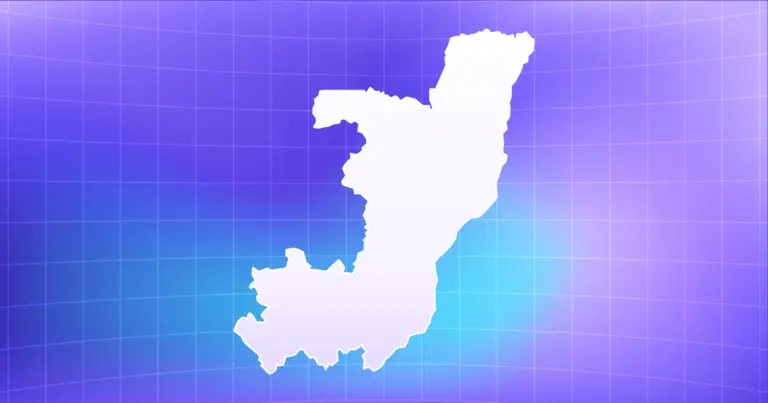
Market Potential: Congo
1. E-commerce Market Overview
Congo’s e-commerce sector is emerging rapidly, driven by increasing internet access and mobile penetration. The total online commerce volume in Congo is estimated to exceed $150 million in 2024, with a year-over-year growth rate of approximately 25%. Digital payments volume is growing even faster, fueled by mobile money and fintech solutions, reaching an estimated $120 million in transactions annually. Mobile commerce dominates the landscape, accounting for over 70% of e-commerce transactions, reflecting the country’s mobile-first consumer base. This fast-paced growth signals a significant opportunity for merchants looking to capture an expanding digital consumer market.
2. Key Growth Drivers
Several factors underpin Congo’s e-commerce and digital payments expansion:
- High mobile penetration: Over 70% of the population owns a smartphone, making mobile commerce the primary channel for online shopping.
- Digitalization initiatives: Government and private sector investments in expanding internet infrastructure and promoting cashless payments are accelerating adoption.
- Fintech innovation: A vibrant fintech ecosystem, including mobile money operators like MTN Mobile Money and Airtel Money, facilitates seamless digital transactions even among unbanked populations.
- Youthful demographics: With a median age under 20, Congo’s young population is tech-savvy and eager to embrace digital shopping and payment methods.
- Regulatory support: Emerging policies encourage digital financial services expansion, reducing barriers for new payment solutions.
These drivers create a sustainable momentum, positioning Congo as a strategic market for early movers in e-commerce and digital payments.
3. Consumer Behavior & Spending Habits
Understanding Congolese consumers is key to success:
- Average order value (AOV): Typically ranges between $30–$50, with an upward trend as trust in online shopping grows.
- Local vs. cross-border: While local e-commerce platforms dominate, cross-border purchases — especially from China and Europe — are increasing, driven by competitive pricing and wider product selection.
- Preferred payment methods: Mobile money leads, used in approximately 65% of transactions, followed by card payments (around 20%) and cash-on-delivery still prevalent in less urban areas. Buy Now, Pay Later (BNPL) is nascent but gaining traction among younger consumers.
- Device usage: Mobile devices account for over 70% of online shopping sessions, with desktops primarily used in urban business districts.
- Payment culture: There is a growing cashless mindset, but trust in digital payments varies by region; urban consumers show higher confidence in cards and mobile wallets.
Merchants should tailor payment options to mobile money and local preferences while building trust through reliable service and transparent policies.
4. Top Trends
Key trends shaping Congo’s payment and e-commerce landscape over the next 2–3 years include:
- Expansion of mobile money interoperability: Increased collaboration between mobile operators and banks will streamline payments and boost digital wallet usage.
- Growth of BNPL solutions: Financial inclusion efforts and youthful demographics will drive demand for flexible credit options at checkout.
- Rise of instant payment systems: Real-time settlement infrastructure improvements will enhance customer experience and merchant cash flow.
- Cross-border e-commerce growth: Improved logistics and payment gateways will facilitate more international transactions, especially with China and African trade partners.
- Regulatory evolution: New financial regulations aimed at consumer protection and open finance will create a more secure and competitive payment environment.
These trends offer actionable opportunities for merchants to innovate payment acceptance and expand customer reach.
5. Go-to-market Potential
Congo presents a compelling market for merchants ready to capitalize on a fast-growing, mobile-driven e-commerce ecosystem. Retailers, digital service providers, and fintech companies targeting young, tech-savvy consumers should prioritize Congo for expansion. However, success requires adapting to local payment preferences — especially mobile money — and investing in trust-building measures. Early entrants who navigate regulatory nuances and leverage emerging payment trends will gain a decisive competitive edge in this dynamic market.
Payments Landscape
📘 Intro
The payment landscape in the Republic of Congo is shaped by a mix of cash preference and growing digital adoption, particularly in urban centers like Brazzaville and Pointe-Noire. Understanding local payment habits and infrastructure is critical for merchants aiming to optimize checkout experiences and reduce friction. This section will guide you through the dominant payment methods, user behaviors, and risk factors unique to Congo’s market.
Payment Methods in Use
Cash remains the dominant payment method, especially outside major cities, due to limited banking penetration and trust in digital systems. However, mobile money services have seen rapid growth, driven by providers like MTN Mobile Money and Airtel Money. These platforms allow users to send funds, pay bills, and make purchases via QR codes or USSD codes, making them accessible even on basic feature phones. Mobile money is particularly popular for everyday transactions and peer-to-peer payments.
Card payments are less widespread but growing, primarily in urban areas and among middle to upper-income consumers. Visa and Mastercard are the main card brands accepted, mostly through POS terminals and e-commerce gateways. However, online card penetration is limited, and many merchants rely on embedded payment forms or redirects to local payment gateways. Recurring payments are rare, as subscription models are still emerging in the market.
Bank transfers and invoicing are common in B2B transactions, with many companies preferring direct bank payments for larger sums. Cryptocurrency usage is minimal and not widely accepted for commerce. Overall, the checkout experience should accommodate mobile money as a primary method alongside card payments, with fallback options for cash on delivery where feasible.
| Method | Popularity | Use Case | Risk | Recurring |
|---|---|---|---|---|
| MTN Mobile Money | ⭐⭐⭐⭐ | Everyday purchases, P2P | 🟢 Low | ❌ |
| Airtel Money | ⭐⭐⭐ | Bill payments, merchant pay | 🟢 Low | ❌ |
| Visa | ⭐⭐ | Urban e-commerce, travel | 🟡 Medium | ✅ |
| Mastercard | ⭐⭐ | Similar to Visa | 🟡 Medium | ✅ |
| Cash on Delivery | ⭐⭐⭐⭐ | Rural areas, fallback | 🟠 Medium | ❌ |
Conversion & UX Patterns
Mobile devices dominate internet access in Congo, with many users relying on smartphones for online shopping. Therefore, mobile-optimized checkout flows are essential. One-page checkouts that integrate mobile money QR code scanning or USSD prompts tend to perform better than multi-step forms, which can lead to drop-off due to connectivity issues.
Local consumers expect payment interfaces in French, the official language, and transactions should be displayed in Central African CFA francs (XAF). Offering a seamless experience with minimal redirects is key, as users may have limited patience for slow or complex flows. Embedding payment forms directly into the checkout page, especially for card payments, improves conversion rates.
For returning customers, card-on-file options are emerging but remain uncommon; merchants should not rely heavily on one-click payments yet. Instead, focus on simplifying the initial payment and providing clear instructions for mobile money use, which is the preferred instant payment method.
Fraud & Chargeback Risks
Fraud levels in Congo are moderate but rising as digital payments grow. Mobile money fraud schemes often involve SIM swap scams or social engineering attempts to access accounts. Card fraud is less frequent but can occur with international cards, especially on non-3D Secure (3DS) transactions.
Non-3DS card payments carry higher chargeback risks, as local banks and consumers are still adapting to online dispute processes. Velocity checks and OTP (one-time password) verification for mobile money transactions are common security measures. Merchants should implement 3DS for card payments wherever possible and monitor suspicious behavior such as multiple failed payment attempts or rapid repeat transactions from the same user.
Email verification and phone number confirmation are useful additional layers of protection. Given the prevalence of cash on delivery, merchants should also prepare for potential refund abuse or order cancellations.
| Risk Type | Level | Common Trigger | Mitigation Tip |
|---|---|---|---|
| SIM swap fraud | 🔴 | Mobile money account takeover | Use multi-factor authentication |
| Card testing | 🟡 | Small repeated transactions | Set transaction limits per IP/BIN |
| Refund abuse | 🟠 | Cash on delivery cancellations | Clear return policies and deposits |
| Chargebacks | 🟡 | Non-3DS card payments | Enforce 3DS and monitor disputes |
Final Summary
To succeed in Congo’s payments environment, prioritize mobile money integration alongside card acceptance, especially Visa and Mastercard with 3DS protection. Optimize your checkout for mobile users with French language support and XAF currency display. Be vigilant against mobile money fraud and card chargebacks by implementing strong authentication and transaction monitoring. Starting with these steps will help you build trust and improve conversion in a market where digital payments are rapidly evolving but cash still holds significant ground.
PSP Landscape in Congo
PSP Market Overview
The Payment Service Providers in Congo operate within an emerging but rapidly evolving market. While the overall payments infrastructure remains less mature compared to more developed African economies, there is notable growth driven by increasing mobile penetration and expanding eCommerce activities. The PSP ecosystem in Congo is moderately fragmented, with a mix of local fintech startups, regional aggregators, and a limited presence of international PSPs. Banks still play a significant role as acquirers and payment facilitators, especially for traditional point-of-sale (POS) transactions. However, mobile money platforms and fintechs are gaining traction, particularly in urban centers and for informal sector merchants. The dominant verticals served include retail eCommerce, mobile-based services, and remittances, with nascent adoption in SaaS and high-risk categories. For merchants looking to accept payments in Congo, understanding the hybrid nature of bank-led and fintech-driven PSP offerings is crucial.
PSP Types in the Local Market
| PSP Type | Description | Market Role | Typical Users |
|---|---|---|---|
| Local PSPs | Congolese fintechs and mobile money operators providing payment acceptance and wallet services. | Drive mobile payments and digital wallets; often integrate with local banks. | SMEs, informal merchants, mobile-first businesses |
| International PSPs | Global payment platforms with limited direct presence, often accessed via partnerships. | Provide cross-border payment capabilities and card acceptance. | Exporters, eCommerce merchants targeting international customers |
| Aggregators & Platforms | Payment facilitators bundling multiple payment methods, including mobile money and cards. | Simplify onboarding and offer multi-channel acceptance. | Marketplaces, startups, and SMEs seeking quick setup |
| Bank Acquirers | Local banks offering merchant acquiring services, typically for card and POS payments. | Backbone for traditional card acceptance and settlement. | Established merchants with physical stores |
PSP Discovery Considerations
- Limited Public Information: The Congolese PSP market lacks comprehensive public directories or transparent fee disclosures, making direct comparison challenging for merchants.
- Reliance on Local Partnerships: Merchants often discover PSPs through bank relationships or fintech partnerships rather than open market searches.
- Mobile Money Ecosystem Gatekeepers: Given the dominance of mobile money, access to PSPs frequently depends on mobile operator agreements, which can create hidden exclusivity layers.
- Consultants and Industry Networks: Payment consultants and local business associations play a key role in guiding merchants toward reliable PSP options, especially for cross-border payment acceptance.
Selection Factors
Choosing a PSP to accept payments in Congo requires careful consideration of local payment behaviors and infrastructure constraints. Payment method coverage is critical; mobile money options such as Airtel Money and M-Pesa alternatives dominate consumer preferences, so PSPs must support these alongside traditional card schemes. Payout and settlement flexibility is equally important due to limited banking infrastructure and currency volatility; PSPs offering local currency settlements and multi-currency accounts provide a competitive advantage. Risk verticals like gaming or crypto remain underdeveloped and often unsupported by local PSPs, so merchants in those sectors may face additional onboarding scrutiny or limited options. Integration flexibility also varies widely: some local PSPs offer API-based solutions suited for digital merchants, while others rely on manual or POS terminal setups.
Key selection criteria include:
- Support for dominant local mobile money wallets and card schemes
- Local currency settlement with timely payouts
- Compatibility with merchant vertical and risk profile
- Technical integration options (API, SDK, hosted pages)
Notable PSPs in Congo
| PSP Name | Type | Payment Methods Supported | Ideal Merchant Profile | Unique Features |
|---|---|---|---|---|
| PayDunya | Local | Mobile money, card payments, bank transfers | SMBs, eCommerce | Strong mobile money integration, easy onboarding |
| Jumia Pay | Hybrid | Cards, mobile money, bank transfers | Marketplaces, online retailers | Integrated with Jumia marketplace ecosystem |
| Interswitch | Regional | Cards, mobile wallets, bank payments | SMEs, cross-border merchants | Pan-African reach, multi-currency settlement |
| Airtel Money | Local | Mobile wallet | Informal merchants, mobile-first | Extensive mobile money network, agent ecosystem |
| Ecobank | Bank Acquirer | Card payments, POS | Established retailers | Pan-African banking group, merchant acquiring |
| Flutterwave | International | Cards, mobile wallets, bank transfers | Exporters, SaaS, marketplaces | Robust API, broad payment method coverage |
| M-Pesa (Vodacom) | Local | Mobile wallet | SMEs, informal sector | Largest mobile money provider in Congo |
Compliance & Regulatory Landscape: Congo
Entering the Congolese market to accept online payments requires a clear understanding of the country’s regulatory framework, licensing requirements, and compliance obligations. The Republic of Congo (Congo-Brazzaville) has a developing financial sector governed by regional and national laws, with specific rules that online merchants and payment service providers (PSPs) must follow to operate legally and securely.
Regulatory Bodies and Licensing in Congo
The financial and payment sectors in Congo are primarily regulated by regional entities under the Central African Economic and Monetary Community (CEMAC) and local authorities:
- Bank of Central African States (Banque des États de l'Afrique Centrale, BEAC): The central bank responsible for monetary policy and banking regulation across CEMAC member states, including Congo.
- Central African Banking Commission (Commission Bancaire de l'Afrique Centrale, COBAC): The banking supervisory authority that licenses and oversees banks and financial institutions in Congo.
- Ministry of Finance and Budget (Ministère des Finances et du Budget): Oversees fiscal policies and financial regulations at the national level.
Licensing Framework for Payment Services
Congo follows the CEMAC regulatory framework, which harmonizes financial sector rules among member states. The key licenses relevant to online payments include:
| License Type | Issuing Authority | Description | Applicable To |
|---|---|---|---|
| Banking License | COBAC | Required for banks offering acquiring, issuing, and settlement services | Banks and acquiring institutions |
| Payment Institution License (PSP) | COBAC | For non-bank payment service providers offering payment processing | PSPs, fintech companies |
| Electronic Money Institution (EMI) License | COBAC | For entities issuing electronic money and digital wallets | Fintechs, mobile money providers |
| Money Transfer Operator License | COBAC | For companies providing domestic and cross-border money transfer | Money transfer companies |
Foreign PSPs must obtain local authorization through COBAC or partner with licensed local entities. Direct cross-border operations without local licensing are generally not permitted.
Merchant Requirements for Accepting Payments in Congo
Merchants aiming to accept online payments from Congolese customers should consider the following:
- Local Company Registration: While foreign merchants can sell to Congolese consumers, to open a local merchant account or obtain a MID (Merchant Identification Number), registering a local entity or partnering with a licensed local PSP is often required.
- Use of International PSPs: Many foreign merchants operate via international PSPs (e.g., PayPal, Stripe) that support cross-border transactions. However, local acquiring banks require compliance with Congolese regulations.
- Business Model Restrictions: Certain sectors such as gambling, cryptocurrencies, and adult content face additional scrutiny or restrictions. Licenses or permits may be required for these activities.
- Tax Compliance: Merchants must comply with local tax laws, including VAT registration if turnover thresholds are met. Payment processors often require evidence of tax compliance during onboarding.
- Prohibited Industries: The Congolese authorities maintain blacklists targeting money laundering risks, terrorism financing, and illegal trade sectors. Merchants must ensure their business activities do not fall under these categories.
Financial, AML & KYC Obligations in Congo
Congo enforces anti-money laundering (AML) and know-your-customer (KYC) frameworks consistent with international standards, primarily guided by:
- Financial Action Task Force (FATF) Recommendations
- CEMAC AML Directives
- National AML Law (Loi n° 007-2009 du 16 juillet 2009 relative à la lutte contre le blanchiment d’argent et le financement du terrorisme)
PSPs and merchants must implement robust KYC procedures during customer onboarding, which typically include verifying identity documents, proof of address, and source of funds. Transaction monitoring is mandatory, with suspicious activities reported to the Cellule Nationale de Traitement des Informations Financières (CENTIF), Congo’s financial intelligence unit.
Transaction limits and enhanced due diligence apply to high-risk customers or large-value transactions. Merchants partnering with PSPs should expect to provide detailed business information and comply with ongoing monitoring requirements.
Data Protection & Privacy Laws in Congo
Congo’s data protection landscape is emerging but currently lacks a comprehensive equivalent to the EU’s GDPR. Key points include:
- Data Protection Authority: Congo does not yet have a dedicated data protection authority; data privacy oversight is generally under the Ministry of Communication and Ministry of Digital Economy.
- Data Privacy Laws: The country is working towards adopting formal data protection legislation aligned with international norms, but currently, legal protections are limited.
- Cross-Border Data Transfers: No strict data localization laws are enforced, but businesses should exercise caution and ensure data security when transferring customer data abroad.
- Sector-Specific Rules: Financial data is subject to confidentiality rules under banking laws, and PSPs must ensure secure handling of payment information and customer identities.
Merchants and PSPs must implement best practices for data security and privacy, anticipating potential future regulations.
Helpful Resources & Official Links
- Bank of Central African States (BEAC) — Central bank for the CEMAC region, overseeing monetary policy.
- Central African Banking Commission (COBAC) — Regulator and licensing authority for banks and payment institutions in Congo.
- Ministry of Finance and Budget (Republic of Congo) — National authority for fiscal policy and financial regulation.
- CEMAC AML Directives (French) — Regional AML framework applicable to Congo.
- CENTIF – Financial Intelligence Unit (French) — Responsible for monitoring and reporting suspicious financial transactions.
- Loi n° 007-2009 relative à la lutte contre le blanchiment d’argent et le financement du terrorisme (French) — National AML legislation.
For international merchants and PSPs, understanding Congo’s evolving regulatory environment is crucial. Partnering with licensed local entities and adhering to AML and data protection best practices will ensure smooth market entry and sustainable operations when accepting payments from Congolese customers.
Onboarding Process in Congo
Overview
Onboarding with payment service providers (PSPs) in Congo involves a structured yet somewhat complex process due to regulatory requirements and local business practices. Merchants aiming to accept online payments in Congo must navigate a combination of Know Your Customer (KYC) checks, risk assessments, and compliance with Congolese financial regulations. One unique aspect of the onboarding journey here is the emphasis on verifying local business legitimacy and ensuring alignment with the country’s anti-money laundering (AML) standards.
Challenges often arise from documentation inconsistencies, language barriers (French is the official language), and the relatively limited availability of international PSPs with direct Congolese acquiring relationships. However, merchants benefit from increasing financial digitization and growing acceptance of e-commerce, which motivates PSPs to streamline onboarding for compliant businesses.
Onboarding Journey: Step-by-Step
-
Submit Application to PSP
Merchants initiate the onboarding by completing an application form, either online or through a local PSP representative. Providing accurate business details and clear contact information is critical at this stage. -
Company Verification (KYC, UBO, Legal Documents)
The PSP conducts thorough KYC checks, including verification of the Ultimate Beneficial Owner(s) (UBO). All submitted documents must be official and, preferably, translated into French or English. Local notarization or apostille may be required for certain documents. -
Website & Product Review
PSPs review the merchant’s website and product offerings to ensure compliance with Congolese laws and PSP risk policies. This includes verifying the presence of clear refund and privacy policies, as well as confirming that the business model aligns with the declared activity. -
Risk Scoring
The merchant’s risk profile is assessed based on industry type, transaction volume, and processing history. High-risk industries or those without prior processing history may face additional scrutiny or require higher reserves. -
Contract Signing & Account Creation
Once approved, the merchant signs a contract with the PSP. This agreement outlines the terms of service, fees, and compliance obligations. After signing, the merchant account is formally created. -
Technical Setup
Merchants integrate the PSP’s payment gateway or API into their website or app. PSPs often provide technical support, but merchants should ensure their platform meets security standards such as PCI DSS compliance. -
Test Transactions
Before going live, merchants perform test transactions to verify that payment flows work smoothly and that settlement processes are correctly configured. -
Go-Live & Monitoring
After successful testing, the merchant begins live transactions. PSPs continuously monitor transactions for fraud and compliance, and may request additional information if suspicious activity is detected.
Key Documents & Requirements
| Document | Required for | Notes |
|---|---|---|
| Company Registration | KYC | Must be official; French or English translation recommended |
| Passport or National ID of UBO | KYC | Identification of all Ultimate Beneficial Owners |
| Tax Identification Number | KYC | Proof of tax registration in Congo |
| Proof of Address | KYC | Utility bill or lease agreement within the last 3 months |
| Bank Account Details | Account Setup | Must be a Congolese bank account in the company’s name |
| Website URL and Business Description | Product Review | Clear description of products/services offered |
| Processing History | Risk Review (if available) | Optional but advantageous for established merchants |
| AML and Compliance Policies | Compliance | Refund policy, privacy policy, and anti-fraud measures |
Local documentation often requires notarization or legalization by relevant Congolese authorities. Apostilles may be necessary for foreign documents. Ensuring all documents are recent and consistent across submissions helps avoid delays.
Risk Factors & Red Flags
One common reason for rejection is a mismatch between the merchant’s declared business activity and the actual products or services sold online. For example, a merchant registering as a retail business but selling high-risk financial products may be declined.
Insufficient or inconsistent documentation frequently causes delays. PSPs require clear proof of company registration, UBO identities, and tax compliance. Missing or outdated documents raise red flags.
Websites lacking essential policies such as refund, privacy, or terms of service are often flagged during review. This absence suggests poor compliance and increases perceived risk.
Certain industries, including gambling, adult content, and unlicensed financial services, are heavily restricted or blacklisted by many PSPs operating in Congo. Merchants in these sectors face near-certain rejection or require specialized providers.
Finally, merchants without a local bank account or those attempting to use offshore accounts may be rejected due to difficulties in settlement and increased AML concerns.
Insider Tips from Experts
Establish a Local Legal Entity: PSPs in Congo show greater trust and faster approval for merchants with a registered local company and Congolese bank account. This reduces compliance complexity and expedites verification.
Prepare Complete, Translated Documentation: Submit all KYC and legal documents in French or English, ideally notarized and up to date. Pre-translating and organizing documents reduces back-and-forth and accelerates onboarding.
Align Website Content with Declared Business: Ensure your website clearly reflects your registered business activities, includes detailed refund and privacy policies, and complies with local regulations. This transparency builds PSP confidence.
Leverage Local PSP Partnerships: Working with PSPs that have established local acquiring relationships and knowledge of Congolese regulations can smooth onboarding and provide better support.
Demonstrate Processing History if Possible: Providing evidence of previous payment processing, even from other PSPs or countries, can improve risk scoring and reduce reserve requirements.
By following these best practices, merchants can significantly improve their chances of swift onboarding and successful acceptance of online payments in Congo.
Fees & Settlement
Settlement Currencies
Merchants accepting payments in the Republic of Congo typically receive their settlements in the local currency, the Central African CFA franc (XAF). The CFA franc is pegged to the Euro (EUR) under the CFA franc zone monetary agreement, which provides relative currency stability. Most Payment Service Providers (PSPs) operating in Congo settle payouts in XAF to local merchants, minimizing currency conversion risks. However, cross-border merchants or foreign-based businesses often prefer settlements in EUR or USD to avoid volatility and simplify accounting. Currency control regulations in Congo are moderate, but PSPs may impose limits or require documentation for large foreign exchange transactions. It is advisable for international merchants to clarify settlement currency options with their PSP, as some providers offer multi-currency accounts facilitating payouts in EUR or USD.
Payout Rules & Timing
Payout frequency in Congo is generally flexible, with most PSPs offering daily or weekly settlements depending on the merchant’s agreement and transaction volume. Minimum payout thresholds vary but commonly range between 10,000 to 50,000 XAF (approximately 15 to 75 USD). Processing delays are typically 1 to 3 business days after transaction clearance, with some PSPs providing faster same-day or next-day payouts for an additional fee. Settlements are usually batched at the end of the business day, though real-time or near-real-time payout options are emerging with fintech advancements. Local merchants benefit from streamlined payout processes, whereas foreign merchants may face extended settlement times due to additional compliance checks or cross-border banking procedures. Reporting formats are standardized, with detailed transaction breakdowns and fee deductions provided in PSP dashboards or via API integration.
Typical Fees
| Fee Type | Typical Range / Notes | Remarks |
|---|---|---|
| Transaction Fees | 2.5% – 4.0% per payment | Credit/debit card payments and mobile money transactions fall within this range. |
| Payout Fees | 0.5% – 1.5% per payout or fixed fee of 1,000–3,000 XAF | Fees depend on payout currency and whether the payout is local or cross-border. |
| FX Conversion Markup | 1.5% – 3.0% above interbank rates | Applies when converting XAF to EUR, USD, or other currencies; PSPs typically include markup. |
| Setup/Integration Fees | One-time fees of 50,000 – 150,000 XAF | Varies by PSP; some providers waive fees for high-volume merchants. |
| Chargeback/Dispute Fees | 10,000 – 25,000 XAF per case | Applicable mainly for card payments; mobile money chargebacks are less common. |
Most PSPs in Congo do not charge monthly maintenance fees but may impose fees for value-added services such as fraud protection or advanced analytics. Cross-border payment acceptance can incur additional commissions, especially when involving non-CFA currencies.
Tax & Withholding Notes
Merchant settlements in Congo are subject to local tax regulations that impact net payout amounts. A withholding tax on merchant payments may apply, typically ranging from 10% to 15%, depending on the nature of the business and the tax residency status of the merchant. Non-resident companies operating in Congo must provide valid tax residence certificates to benefit from reduced withholding tax rates under applicable double taxation treaties. VAT in Congo is set at 18%, and PSP commissions are generally subject to VAT, which merchants should consider when calculating overall costs. It is important to note that withholding tax may be deducted at source by PSPs or banks before funds are released, potentially affecting cash flow. Merchants are advised to consult local tax advisors to ensure compliance and optimize tax positions related to payment settlements.
Foreign merchants often prefer receiving payouts in EUR due to the CFA franc’s peg to the Euro, which reduces currency risk compared to USD settlements. Additionally, merchants should anticipate potential delays in settlements exceeding 5 million XAF (approximately 7,500 USD) due to mandatory currency repatriation reviews by Congolese financial authorities. Early coordination with PSPs on payout scheduling and currency preferences can mitigate unexpected hold-ups and fees.
Go-to-Market Strategies
Entering the Congo market requires a tailored approach based on your business model, jurisdiction, risk profile, and expected transaction volume. The payment ecosystem in Congo is evolving, with a mix of local and regional payment providers, varying regulatory requirements, and unique customer preferences. Selecting the right go-to-market (GTM) strategy ensures smoother onboarding, higher conversion rates, and compliance with local financial regulations.
Different merchant types — from low-risk local retailers to high-risk offshore digital services — need distinct payment acceptance strategies to optimize cost, speed, and customer experience.
Typical Merchant Scenarios
| # | Merchant Profile | Jurisdiction | Risk | Volume | Audience |
|---|---|---|---|---|---|
| 1 | Local brick-and-mortar retailer | Local (Congo) | Low | Low to Medium | Domestic consumers |
| 2 | Regional e-commerce platform | Local/Regional | Medium | Medium to High | Congo & neighboring countries |
| 3 | Offshore SaaS provider targeting Congo | Offshore (EU/US) | Medium-High | Low to Medium | Congo-based businesses |
| 4 | High-risk digital content provider | Offshore | High | Variable | Congo consumers |
| 5 | Large multinational enterprise | Global | Low | High | Corporate & retail |
Recommended Strategy per Scenario
1. Local Brick-and-Mortar Retailer
For local retailers primarily serving Congolese customers, partnering with a local payment service provider (PSP) or mobile money aggregator is the most effective strategy. Providers like M-Pesa (via Vodacom Congo) and Airtel Money dominate mobile payments, which are widely used due to limited card penetration. Integrating mobile money acceptance alongside classic POS terminals or QR code payments improves conversion and customer convenience.
This approach benefits from faster onboarding and compliance with local regulations but may limit acceptance to mobile money and cash-based payments. Card acceptance is growing but still secondary. Local PSPs also often provide settlement in local currency (CDF), reducing FX risk.
2. Regional E-commerce Platform
Merchants operating regionally across Congo and neighboring countries should consider hybrid PSPs that combine local payment methods with international cards. Providers like PayDunya and Flutterwave offer multi-channel payment acceptance, including mobile money, card payments, and bank transfers.
This strategy balances broader payment acceptance with localized options, improving conversion for regional customers. However, onboarding can be more complex due to cross-border compliance and KYC requirements. Volumes justify the investment, and the ability to settle in multiple currencies is a key benefit.
3. Offshore SaaS Provider Targeting Congo
Offshore SaaS companies targeting Congolese businesses often face higher risk profiles due to jurisdiction and product type. Using global PSPs such as Stripe (via partner integrations) or PayPal can simplify onboarding and provide access to international cards.
However, these providers may not support local payment methods or currencies, potentially reducing conversion. To mitigate this, combining a global PSP with a local payment aggregator for mobile money acceptance is advisable. This dual strategy improves payment success rates but increases operational complexity.
4. High-Risk Digital Content Provider
High-risk merchants — such as digital content or gaming providers — often struggle with acceptance from traditional PSPs due to regulatory scrutiny and fraud risk. Specialized high-risk payment processors like Payoneer or niche aggregators that accept high-risk verticals can be considered.
These providers typically charge higher fees and require stringent compliance documentation. The trade-off is faster market entry and broader payment acceptance despite higher cost and potential chargebacks. Monitoring local regulations on digital content is critical to avoid sudden service disruptions.
5. Large Multinational Enterprise
Large enterprises with high transaction volumes and established compliance frameworks should opt for global PSPs with local presence or partnerships, such as Adyen, Worldline, or DPO Group. These providers offer robust fraud management, multi-currency settlement, and support for local payment methods including mobile money and cards.
While onboarding timelines are longer and documentation requirements higher, the scalability, security, and reporting capabilities justify the investment. Enterprises can also negotiate better pricing and service level agreements (SLAs).
Final Tips
- Start with a global PSP that supports local payment methods and scale to local providers as volumes grow. This minimizes initial complexity while optimizing conversion.
- Prioritize mobile money acceptance in Congo, as it dominates consumer payments and can significantly boost checkout success.
- Test the local user experience rigorously, including language, currency display, and payment flows, to reduce friction and cart abandonment.
FAQ & Expert Tips
Intro
This FAQ & Expert Tips section is crafted from extensive support experience, merchant inquiries, case studies, and up-to-date market research focused on the Republic of Congo. It aims to clarify common doubts and offer actionable advice for merchants planning to enter this market and open a Merchant ID (MID). Use these insights to navigate Congo’s unique payments landscape with confidence and efficiency.
Frequently Asked Questions
🇨🇬 What are the key requirements for opening a MID in Congo?
To open a MID in Congo, merchants must provide thorough KYC documentation, including a valid business registration certificate, tax identification number, and proof of a local bank account. Unlike some larger markets such as the EU, Congo’s compliance process places strong emphasis on local presence or a representative agent. Expect additional scrutiny on documents and possible requests for translated or notarized paperwork. Early preparation of these documents can significantly reduce onboarding delays.
💳 Which payment methods are most popular and accepted by Congolese consumers?
Mobile money services like MTN Mobile Money and Airtel Money dominate Congo’s payment landscape, far more than card payments, which remain less common especially in rural areas. While Visa and Mastercard acceptance is growing in urban centers, merchants should prioritize integrating mobile money options to maximize reach. This contrasts with Western markets where card and digital wallets prevail. Offering local mobile money can drastically improve conversion rates.
⚠️ What are common compliance pitfalls merchants face in Congo?
Merchants often underestimate the complexity of Congo’s regulatory environment. Issues arise from incomplete KYC submissions, lack of clear AML policies, or misunderstanding local tax obligations. Additionally, Congo’s payments ecosystem is still evolving, so regulations can be subject to sudden updates. Working with local compliance experts or utilizing platforms like PayAtlas can help anticipate these changes and avoid costly fines or account freezes.
📄 How long does the MID approval and integration process usually take in Congo?
Typically, MID approval in Congo takes between 4 to 8 weeks, longer than in more mature markets like Nigeria or South Africa. Delays often stem from slower document verification and local banking processes. Integration with mobile money providers may add extra time due to their internal onboarding procedures. Planning for a timeline buffer and maintaining open communication with your acquiring bank or payment provider is essential.
🔍 Are there any specific currency or settlement challenges to consider?
Congo’s official currency is the Central African CFA franc (XAF), which is pegged to the Euro. However, currency conversion fees and settlement delays can impact cash flow, especially for foreign merchants. Unlike the Eurozone where settlements can be same-day, Congo often sees settlement times of 7–14 days. Merchants should negotiate clear terms with acquirers and consider local currency invoicing to mitigate FX risks.
📦 What are the logistics and tax considerations for cross-border e-commerce in Congo?
Import duties and VAT can be significant for goods sold into Congo, and customs clearance may be slow due to bureaucratic procedures. Unlike the EU’s streamlined VAT system, Congo requires careful documentation to avoid penalties. Partnering with local customs brokers and understanding tax registration requirements will prevent unexpected costs and delivery delays that can damage customer trust.
Expert Tips
⏱️ Prioritize Local Payment Methods Early
In Congo, mobile money is king. Merchants focusing solely on card payments risk missing the majority of the market. Early integration with MTN Mobile Money or Airtel Money not only increases sales but also builds trust with local consumers accustomed to these platforms.
🚩 Monitor Regulatory Updates Closely
Congo’s regulatory framework is evolving rapidly. Staying informed about changes in AML or tax laws is crucial. Even small compliance lapses can lead to account suspension. Collaborate with local legal advisors or leverage compliance tools to keep your operations smooth and uninterrupted.
🧾 Prepare Thorough and Translated Documentation
Many merchants face delays because submitted documents aren’t translated or notarized as required. Unlike many Western markets, Congo’s authorities often require certified translations of key business documents. Investing in professional translation upfront saves weeks of back-and-forth during onboarding.
📉 Expect Longer Settlement Cycles and Plan Cash Flow Accordingly
Settlement times in Congo can be significantly slower compared to more developed payment markets. Merchants should factor in 1–2 week delays when managing working capital, especially if selling low-margin products. Negotiating advance settlement options or partial prepayments can alleviate cash flow pressure.
🔄 Use a Local Partner or Agent for Faster Market Access
Having a local representative or partner is more than a formality in Congo — it can be a strategic advantage. They help navigate local banking relationships, expedite compliance checks, and provide on-the-ground insights that foreign merchants often miss, smoothing the path for faster MID approval.
🌍 Leverage PayAtlas Insights for Competitive Advantage
Markets like Congo can feel opaque to outsiders. Using a platform like PayAtlas that consolidates local payment data, compliance updates, and onboarding best practices empowers merchants to make informed decisions, avoid common pitfalls, and optimize payment acceptance strategies tailored specifically to Congo’s unique environment.




Comments