

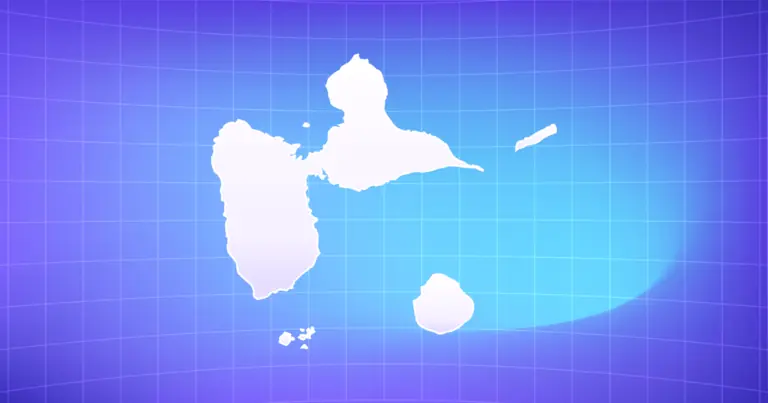
Market Potential: Guadeloupe
1. E-commerce Market Overview
Guadeloupe’s e-commerce sector is a vibrant and rapidly expanding market within the Caribbean and French overseas territories. In 2023, the total online commerce volume in Guadeloupe was estimated at approximately €150 million, reflecting a steady year-over-year growth rate of around 12%. Digital payments now account for over 65% of all retail transactions, with mobile commerce comprising nearly 40% of e-commerce sales, underscoring the growing reliance on smartphones for shopping. Forecasts project the e-commerce market to grow at a compound annual growth rate (CAGR) of 10–15% over the next five years, driven by improving digital infrastructure and rising consumer adoption. Milestones such as increased broadband penetration and expanding payment acceptance networks are making Guadeloupe a noteworthy opportunity for merchants eyeing French Caribbean markets.
2. Key Growth Drivers
Several factors are fueling Guadeloupe’s e-commerce and digital payments boom:
- High smartphone penetration: Over 75% of the population owns smartphones, enabling widespread mobile commerce adoption.
- Digitalization initiatives: As an overseas region of France, Guadeloupe benefits from EU-backed digital infrastructure projects and regulatory alignment, accelerating online payment adoption.
- Regulatory support: Compliance with European PSD2 directives ensures secure, transparent payment processing, boosting consumer trust.
- Fintech innovation: Local fintechs and French payment providers are actively expanding services, including contactless payments and digital wallets.
- Demographic shifts: A young, tech-savvy population with increasing disposable income is driving demand for convenient, cashless payment methods.
This combination ensures Guadeloupe’s digital commerce momentum is sustainable and ripe for early entrants.
3. Consumer Behavior & Spending Habits
Understanding Guadeloupean consumers is key to capturing market share:
- Average order value (AOV): Typically ranges between €50–€70, consistent with regional spending power.
- Local vs. cross-border: While local e-commerce dominates, there is growing appetite for cross-border purchases, especially from mainland France and the EU.
- Preferred payment methods: Credit and debit cards remain dominant, accounting for over 60% of online payments. Digital wallets (e.g., Paylib, Apple Pay) are gaining traction, alongside emerging Buy Now, Pay Later (BNPL) options.
- Mobile vs. desktop: Mobile devices drive roughly 40% of e-commerce traffic, with younger consumers skewing heavily mobile-first.
- Payment culture: Guadeloupeans exhibit a strong cashless mindset aligned with French norms, showing high trust in card payments and secure digital methods.
Merchants can expect a digitally engaged customer base that values convenience, security, and flexibility in payment options.
4. Top Trends
Key trends shaping Guadeloupe’s payment landscape over the next 2–3 years include:
- Expansion of instant payments: Adoption of SEPA Instant Credit Transfer is increasing, enabling real-time settlements and improved cash flow for merchants.
- Rise of BNPL and wallets: Buy Now, Pay Later services and mobile wallets are growing rapidly, appealing to younger demographics and boosting conversion rates.
- Cross-border commerce growth: Enhanced shipping logistics and EU trade agreements facilitate easier access to mainland French and European products, expanding market reach.
- Regulatory evolution: Continued alignment with EU open banking and PSD2 standards will foster innovation and competitive payment services.
- Emerging consumer segments: Increased digital literacy among older consumers and rural populations is broadening the e-commerce user base.
These trends represent actionable opportunities for merchants to innovate payment acceptance and customer engagement.
5. Go-to-market Potential
Guadeloupe offers a strategically attractive gateway to the French Caribbean market with a digitally mature consumer base and strong growth trajectory in e-commerce and digital payments. Merchants specializing in fashion, electronics, beauty, and lifestyle products should seriously consider entering this market to capitalize on rising local demand and cross-border commerce. However, success requires adapting to local payment preferences — prioritizing card and wallet acceptance — and leveraging mobile-optimized platforms. Early movers who align with Guadeloupe’s evolving payment ecosystem stand to gain a competitive edge in this fast-growing, digitally empowered market.
Payments Landscape
📘 Intro
Guadeloupe’s payment landscape reflects its unique position as a French overseas region in the Caribbean, combining European payment standards with local Caribbean consumer habits. Merchants entering this market must balance the widespread use of European cards and digital wallets with preferences for cash and mobile payments common in the region. Understanding these nuances is essential to optimize checkout flows and minimize friction.
Payment Methods in Use
In Guadeloupe, card payments dominate online and in-store transactions, with Visa and Mastercard being the most widely accepted brands, thanks to the integration with the French banking system. American Express is less common but still accepted in select locations. Due to Guadeloupe’s status as part of the EU, SEPA (Single Euro Payments Area) bank transfers are also available, especially for larger or B2B payments.
Digital wallets such as Paylib (popular in France) and Apple Pay are growing steadily, particularly among younger and urban consumers who prefer contactless and mobile payments. Local Caribbean-specific wallets or crypto payments have not gained significant traction here. QR code payments are rare online but may be used for some in-person transactions, especially in markets or informal settings.
Buy Now, Pay Later (BNPL) options like Klarna or Oney are available but not yet widespread, mostly used in e-commerce sectors such as fashion and electronics. Recurring payments for subscriptions or utilities typically rely on cards or SEPA direct debits, with the latter favored for its security and cost-efficiency.
Optional: Comparison Table
| Method | Popularity | Use Case | Risk | Recurring |
|---|---|---|---|---|
| Visa/Mastercard | ⭐⭐⭐⭐ | Everyday online & in-store | 🟡 Medium | ✅ |
| Paylib | ⭐⭐ | Mobile wallet, contactless | 🟢 Low | ✅ |
| SEPA Transfer | ⭐⭐ | B2B, large payments | 🟢 Low | ✅ |
| Apple Pay | ⭐⭐ | Mobile contactless payments | 🟢 Low | ✅ |
| BNPL (Oney) | ⭐ | E-commerce, discretionary spend | 🟡 Medium | ❌ |
Conversion & UX Patterns
Mobile usage in Guadeloupe is significant, with many consumers browsing and shopping via smartphones. However, desktop remains important for higher-value purchases and B2B transactions. Checkout flows that embed payment forms directly on the site tend to convert better than those relying on redirects, which can disrupt the user experience, especially on mobile networks that may be less stable.
Localization is critical: French is the official language, and all checkout interfaces must be fully translated and culturally adapted. Pricing and payments must be in euros (EUR), with clear indication of taxes included, as Guadeloupe follows French VAT rules. Merchants should also provide familiar payment icons and trust marks to reassure local buyers.
One-click payments and card-on-file options are appreciated by frequent shoppers, especially for subscriptions or repeat purchases. Retry logic for failed transactions is advisable, as network issues or card declines can occur due to international card usage or limits set by French banks.
Fraud & Chargeback Risks
Fraud levels in Guadeloupe align closely with mainland France, which means moderate risk but with some local particularities. Card testing fraud — where fraudsters attempt many small transactions to validate stolen card data — is a known issue, especially on international e-commerce sites targeting the region. Merchants should implement velocity checks and limit repeated failed attempts from the same IP or card BIN.
Chargebacks are common in sectors such as fashion and electronics. Non-3DS (3-D Secure) transactions carry higher risk, so enabling 3DS authentication is strongly recommended to reduce fraud liability. Local consumers are accustomed to strong security measures like OTP (One-Time Password) via SMS or email, and French banks increasingly enforce 3DS for online payments.
Refund abuse is less prevalent but can occur in return-friendly categories; clear refund policies and communication help mitigate this risk.
Optional: Risk Table
| Risk Type | Level | Common Trigger | Mitigation Tip |
|---|---|---|---|
| Card testing | 🔴 | Multiple small charges | Implement IP and BIN velocity limits |
| Chargebacks | 🟡 | Non-3DS transactions | Use 3DS and clear refund policies |
| Refund abuse | 🟡 | Generous return policies | Communicate clear terms and conditions |
Final Summary
For merchants expanding into Guadeloupe, prioritizing Visa and Mastercard acceptance with 3DS authentication is crucial to balance conversion and fraud protection. Emphasize mobile-optimized, embedded checkout flows fully localized in French and priced in euros to meet consumer expectations. Consider adding Paylib and Apple Pay to capture mobile-savvy shoppers, and use retry logic to handle payment declines gracefully. Staying vigilant against card testing and chargebacks with velocity checks and clear refund policies will protect your business and build trust in this unique Caribbean-French market.
PSP Landscape in Guadeloupe
PSP Market Overview
The Payment Service Providers in Guadeloupe operate within a mature but relatively niche market shaped by the island’s status as an overseas region of France and part of the European Union. The PSP landscape here is largely influenced by the broader French and EU payment ecosystems, with a strong presence of established European banks and fintechs. The market is moderately concentrated, dominated by a handful of international and regional players leveraging the EU regulatory framework, including PSD2 compliance and SEPA payment schemes. Key verticals served include eCommerce, retail POS, and tourism-related services, reflecting Guadeloupe’s economic profile. While local fintech startups are limited, aggregators and global PSPs provide comprehensive coverage, especially for merchants looking to accept payments in Guadeloupe with multi-currency and cross-border capabilities.
PSP Types in the Local Market
| PSP Type | Description | Market Role | Typical Users |
|---|---|---|---|
| Local PSPs | Small-scale providers, often branches of French banks or local fintechs. Limited in number and scope. | Facilitate domestic transactions; compliance with French and EU regulations. | Small businesses, local retailers, hospitality sector. |
| International PSPs | Large global players with EU licenses, offering broad payment method coverage and cross-border capabilities. | Enable multi-currency acceptance and international eCommerce. | Exporters, marketplaces, SaaS companies targeting EU and Caribbean customers. |
| Aggregators & Platforms | Payment facilitators that bundle merchant services with value-added features like fraud protection and analytics. | Simplify onboarding and provide turnkey solutions for SMBs and startups. | Small and medium enterprises, startups, online merchants. |
| Bank Acquirers | Traditional banks with acquiring licenses, often subsidiaries of major French or European banks. | Provide merchant accounts and acquiring services integrated with local banking infrastructure. | Established retailers, large merchants, hospitality chains. |
PSP Discovery Considerations
Merchants seeking to accept payments in Guadeloupe typically face a market where transparency is moderate but nuanced by the island’s integration with French banking systems. Payment Service Providers in Guadeloupe are often discovered through established banking relationships, given the dominance of French banks and their local branches. Consultants and payment integrators specializing in French overseas territories are valuable entry points, offering tailored advice on regulatory compliance and technical integration. However, some PSPs operate through closed networks or partnerships with local banks, which can obscure full market visibility. Additionally, merchants should be aware of the regulatory overlay from both French and EU authorities, which can complicate PSP onboarding and contract negotiations. Referral networks within local business communities and industry associations also play a significant role in PSP discovery.
Selection Factors
Choosing a PSP to accept payments in Guadeloupe requires careful consideration of several localized factors. Payment method coverage is critical; while international cards (Visa, Mastercard) and SEPA bank transfers are standard, acceptance of local payment preferences such as Carte Bancaire (CB) and regional digital wallets can be a differentiator. Payout and settlement options must align with the merchant’s banking setup — typically French or EU bank accounts — with emphasis on SEPA credit transfers for efficient fund movement. Risk verticals like tourism-related services and hospitality demand PSPs with strong fraud prevention and chargeback management capabilities due to seasonal transaction volatility. Integration flexibility is also essential; merchants benefit from PSPs offering APIs and plugins compatible with common eCommerce platforms and POS systems prevalent in Guadeloupe.
Key considerations when choosing a PSP in Guadeloupe include:
- Local and EU payment method support, including CB and SEPA.
- Settlement speed and currency options, favoring EUR settlements.
- Compliance with French and EU regulations, especially PSD2 and GDPR.
- Risk management tailored to tourism and retail sectors.
- Technical integration options supporting both online and in-person payments.
Notable PSPs in Guadeloupe
| PSP Name | Type | Payment Methods Supported | Ideal Merchant Profile | Unique Features / Positioning |
|---|---|---|---|---|
| Stripe | International | Visa, Mastercard, SEPA, Apple Pay, Google Pay | SMBs, SaaS, marketplaces | Strong API, global reach, supports European regulations including PSD2. |
| PayPal | International | PayPal wallet, cards, local bank transfers | Online merchants, marketplaces | Widely trusted brand, rapid onboarding, buyer protection. |
| Payzen (Lyra Network) | Local/Regional | CB, Visa, Mastercard, SEPA | Retailers, hospitality, eCommerce | French-based PSP with strong local payment method coverage and fraud tools. |
| Worldline | Local/Regional | CB, Visa, Mastercard, SEPA, mobile payments | Large retailers, hospitality chains | Leading European acquirer, integrated POS and eCommerce solutions. |
| Adyen | International | Extensive global cards, SEPA, wallets | Marketplaces, omnichannel retailers | Unified platform for in-store and online payments, advanced risk management. |
| Ingenico (Worldline) | Local/Regional | CB, cards, SEPA, mobile wallets | POS-heavy merchants, hospitality | Established POS hardware and payment gateway provider with strong local presence. |
| HiPay | Local/Regional | CB, Visa, Mastercard, SEPA, alternative payments | eCommerce, SMBs, marketplaces | French PSP focusing on multi-channel payments and fraud prevention. |
This overview equips merchants and payment teams with a clear understanding of the Payment Service Providers in Guadeloupe, enabling informed decisions when expanding payment acceptance in this unique overseas market.
Compliance & Regulatory Landscape: Guadeloupe
Guadeloupe, as an overseas region and department of France, follows the French and European Union regulatory framework for online payments and financial services. Understanding the compliance landscape here means aligning with both French national laws and EU directives, which govern how merchants and payment service providers (PSPs) operate. This makes Guadeloupe a unique market where local operations are tightly integrated into broader EU financial regulations.
Regulatory Bodies and Licensing in Guadeloupe
The financial and payment sectors in Guadeloupe fall under the jurisdiction of French and EU regulators. The primary authority overseeing payment institutions and electronic money institutions (EMIs) is the Autorité de Contrôle Prudentiel et de Résolution (ACPR)
the French Prudential Supervision and Resolution Authority. ACPR is responsible for licensing, supervising, and enforcing compliance with financial regulations in all French territories, including Guadeloupe.
| License Type | Description | Applicable Entities | Notes |
|---|---|---|---|
| Payment Institution (PSP) License | Authorizes provision of payment services | PSPs operating in Guadeloupe | Required for firms offering payment processing services |
| Electronic Money Institution (EMI) | Allows issuance of electronic money | EMIs active in Guadeloupe | Includes prepaid card issuers, e-wallet providers |
| Acquiring Bank License | For banks acquiring card payments | Banks with acquiring operations | Must be authorized by ACPR and ECB |
Foreign PSPs can operate in Guadeloupe either by establishing a French-registered entity or by passporting their EU license under the Payment Services Directive 2 (PSD2). This means international PSPs licensed in any EU member state can provide services directly to Guadeloupe merchants without additional local licensing, simplifying cross-border operations.
Merchant Requirements for Accepting Payments in Guadeloupe
Merchants aiming to accept online payments from Guadeloupe customers must comply with French and EU regulations. Key requirements include:
- Local Company Registration: Not strictly required if using an EU-licensed PSP or acquiring bank; however, having a French entity can facilitate banking relationships and tax compliance.
- Foreign Merchant Operations: Foreign merchants can accept payments through international PSPs licensed under PSD2 without needing a local license.
- Industry-Specific Licenses: Certain sectors such as gambling, financial services, or crypto-related businesses may require additional permits or authorizations under French law.
- Tax Compliance: Merchants must comply with French VAT regulations and may need to register for VAT if selling goods or services to Guadeloupe residents.
- Restricted Industries: Activities involving illegal goods, unlicensed gambling, or unauthorized financial products are prohibited, consistent with French and EU blacklists.
Overall, Guadeloupe’s integration into the French legal system means merchants must align with EU consumer protection, anti-fraud, and payment transparency standards.
Financial, AML & KYC Obligations in Guadeloupe
Anti-Money Laundering (AML) and Know Your Customer (KYC) requirements in Guadeloupe are governed by French law and EU directives, primarily enforced by the ACPR and the Tracfin unit (French Financial Intelligence Unit).
- KYC Checks: PSPs and acquiring banks must perform robust identity verification for merchants and, in many cases, their customers, especially for high-risk transactions.
- AML Framework: Guadeloupe adheres to the EU’s AML directives, requiring transaction monitoring, suspicious activity reporting, and source of funds verification.
- Merchant Onboarding: PSPs typically require detailed business documentation, proof of identity, and sometimes beneficial ownership disclosures from merchants.
- Transaction Monitoring: PSPs must implement real-time monitoring systems to detect fraud, money laundering, and terrorist financing risks.
- Reporting Obligations: Suspicious transactions must be reported to Tracfin, ensuring compliance with French and EU AML laws.
These obligations ensure a high level of financial security but require merchants and PSPs to maintain transparent and compliant operations.
Data Protection & Privacy Laws in Guadeloupe
Data protection in Guadeloupe is governed by the General Data Protection Regulation (GDPR), which applies uniformly across all EU territories, including overseas regions like Guadeloupe.
- GDPR Compliance: Merchants and PSPs must comply with the GDPR’s strict rules on personal data processing, consent, and data subject rights.
- Supervisory Authority: The Commission Nationale de l’Informatique et des Libertés (CNIL) is the French data protection authority overseeing GDPR enforcement in Guadeloupe.
- Cross-Border Data Transfers: Transfers of personal data outside the EU are tightly regulated, requiring adequacy decisions or appropriate safeguards.
- Data Localization: There is no specific data localization requirement for Guadeloupe beyond GDPR mandates.
- Industry-Specific Rules: Financial data is subject to enhanced protection measures, including encryption and access controls.
Merchants must ensure privacy policies and data handling practices comply with GDPR to avoid significant penalties and maintain customer trust.
Helpful Resources & Official Links
- Autorité de Contrôle Prudentiel et de Résolution (ACPR) — French financial regulator overseeing payment institutions and banks.
- Commission Nationale de l’Informatique et des Libertés (CNIL) — French data protection authority.
- Tracfin – French Financial Intelligence Unit — AML reporting and guidance.
- European Commission – Payment Services Directive (PSD2) — Framework for payment service providers.
- French Tax Administration (Impots.gouv.fr) — Information on VAT and tax obligations.
- EUR-Lex – GDPR Text — Full text of the General Data Protection Regulation.
In summary, Guadeloupe’s compliance landscape is closely aligned with French and EU regulations, providing a stable and transparent environment for online payments. Merchants benefit from access to EU-wide payment systems and protections but must ensure adherence to rigorous AML, KYC, and data privacy standards. By partnering with licensed PSPs and understanding local tax and licensing nuances, businesses can confidently serve Guadeloupe’s market.
Onboarding Process in Guadeloupe
Overview
Onboarding with payment service providers (PSPs) in Guadeloupe follows a process closely aligned with French and European Union regulations, given Guadeloupe’s status as an overseas region of France. This integration into the EU legal and financial framework means that merchants benefit from standardized KYC (Know Your Customer) and risk management procedures similar to mainland France. However, onboarding can pose unique challenges related to local business registration nuances, language requirements, and compliance with EU-specific payment regulations such as PSD2.
Merchants looking to accept payments in Guadeloupe should prepare for a thorough verification process that emphasizes transparency, legal compliance, and detailed documentation. The typical onboarding journey involves multiple steps including company verification, risk assessment, and technical integration, with a strong focus on anti-fraud measures and adherence to EU consumer protection laws. Understanding these factors upfront can help merchants avoid common delays and streamline their acceptance of online payments in Guadeloupe.
Onboarding Journey: Step-by-Step
-
Submit Application to PSP
The merchant initiates the onboarding by submitting an application form, often available online. This includes basic company information, business model description, and intended payment methods. In Guadeloupe, applications are usually required in French or accompanied by a certified translation. -
Company Verification (KYC, UBO, Legal Documents)
PSPs conduct a detailed KYC process to verify the merchant’s identity, ownership structure, and legitimacy. This includes validating company registration documents issued by French authorities, passports or IDs of Ultimate Beneficial Owners (UBOs), and proof of address. Given Guadeloupe’s EU connection, PSPs require compliance with EU anti-money laundering directives. -
Website & Product Review
Merchants must provide their website or sales platform for review. PSPs check for clear product descriptions, compliance with local and EU consumer protection laws, refund and privacy policies, and secure payment flows. Websites must be professional and transparent to pass this stage. -
Risk Scoring
The PSP assesses the merchant’s risk profile based on industry, transaction volume, geographic customer base, and processing history. High-risk industries or unclear business models may trigger additional due diligence or rejection. -
Contract Signing & Account Creation
Upon successful verification, the merchant signs a contract with the PSP. This contract outlines fees, settlement terms, chargeback policies, and compliance obligations. The merchant’s payment account is then created in the PSP’s system. -
Technical Setup
The merchant integrates the PSP’s payment gateway or API into their website or app. This step may involve collaboration with technical support teams to ensure smooth payment acceptance and compliance with security standards like PCI DSS. -
Test Transactions
Before going live, merchants conduct test transactions to verify payment flow, error handling, and settlement processes. This helps identify and resolve technical or compliance issues early. -
Go-live & Monitoring
After successful testing, the merchant’s account goes live. PSPs continuously monitor transactions for suspicious activity, compliance breaches, and performance metrics to mitigate fraud and ensure regulatory adherence.
Key Documents & Requirements
| Document | Required for | Notes |
|---|---|---|
| Company Registration | KYC | Must be official French registration documents (ex: Kbis) |
| Passport or National ID of UBO | KYC | Identification of all Ultimate Beneficial Owners |
| Proof of Address | KYC | Recent utility bill or bank statement, max 3 months old |
| Website URL and Business Description | Product Review | Must clearly describe products/services and comply with EU laws |
| Processing History | Risk Review | Optional but recommended for existing merchants |
| Anti-Money Laundering Policy | Compliance | Required for higher-risk merchants |
| Signed PSP Contract | Contract | Formal agreement detailing terms and conditions |
Most documents must be provided in French or accompanied by a certified translation. Notarization is generally not required, but documents must be official and up-to-date. Guadeloupe’s integration into the French legal system simplifies document acceptance compared to non-EU territories.
Risk Factors & Red Flags
One common reason for rejection during onboarding is a mismatch between the declared business activity and the actual products or services offered. For example, a merchant registered as a retail business but selling high-risk digital goods without clear explanation can raise concerns. PSPs in Guadeloupe and France apply strict scrutiny to ensure the declared business model matches the payment flows.
Another frequent issue is the lack of a transparent refund or privacy policy on the merchant’s website. EU consumer protection laws require clear communication of customer rights, and failure to comply may delay approval or lead to rejection.
Merchants without a local or EU-compliant business registration often face longer onboarding times or outright rejection. PSPs prefer entities registered in Guadeloupe or mainland France to simplify compliance and legal recourse.
Additionally, industries considered high-risk or restricted under EU regulations — such as gambling, adult content, or certain financial services — may encounter more stringent checks or be blacklisted by some PSPs.
Finally, an incomplete or inconsistent KYC submission, such as expired IDs or mismatched UBO information, frequently causes delays. Ensuring all documents are current, accurate, and consistent is critical.
Insider Tips from Experts
Establish a Local Legal Entity
Having a company registered in Guadeloupe or mainland France significantly improves trust and speeds up onboarding. PSPs favor merchants with a verifiable EU presence due to regulatory clarity.
Prepare Complete and Translated Documentation
Submit all required KYC documents in French or with certified translations. Clear and professionally prepared documents reduce back-and-forth and accelerate verification.
Ensure Website Compliance with EU Consumer Laws
Include detailed refund policies, privacy statements, and secure payment information on your website. This transparency is crucial for passing product reviews and gaining PSP approval.
Maintain Consistent Business Information Across All Documents
Align your business description, website content, and KYC paperwork. Discrepancies often trigger risk flags and extend onboarding timelines.
Engage Early with PSP Support Teams
Proactively communicate with PSP representatives to clarify requirements and address potential issues. Early engagement can prevent misunderstandings and facilitate a smoother onboarding experience.
By following these guidelines and understanding the onboarding nuances specific to Guadeloupe, merchants can efficiently navigate the payment provider onboarding process and start accepting payments confidently in this unique market.
Fees & Settlement
Settlement Currencies
Merchants accepting payments in Guadeloupe typically receive their funds settled in the Euro (EUR), which is the official currency used across Guadeloupe as an overseas region of France and part of the Eurozone. Payment Service Providers (PSPs) operating in Guadeloupe generally process transactions in EUR, eliminating the need for currency conversion for local merchants. Cross-border merchants transacting with customers in Guadeloupe will often receive settlements in EUR as well, which simplifies reconciliation and reduces foreign exchange (FX) risk.
There are no specific currency control restrictions affecting settlement currency in Guadeloupe due to its integration within the European Union’s financial framework. However, merchants based outside the Eurozone should consider potential FX conversion fees if their bank accounts are denominated in other currencies such as USD or GBP. For international sellers, settling in EUR is typically preferred to avoid volatility and additional conversion costs.
Payout Rules & Timing
Payout frequency for merchants in Guadeloupe depends largely on the PSP and the merchant agreement but commonly follows these patterns:
- Daily or Weekly Payouts: Most PSPs offer daily or weekly settlements for local merchants, with funds transferred directly to the merchant’s EUR-denominated bank account.
- Minimum Payout Thresholds: Typical minimum payout amounts range from €50 to €100, depending on the PSP. Merchants should verify these thresholds to avoid payout delays.
- Processing Delays: Standard payment payout timing is between 1 to 3 business days after transaction settlement. Some PSPs provide faster, next-day payouts for an additional fee.
- Batch vs. Real-Time Settlements: Settlements are generally batched, meaning payouts are processed in grouped transactions rather than real-time transfers. Real-time payouts are uncommon and usually incur higher fees.
- Foreign Merchants: For merchants outside Guadeloupe or the Eurozone, payout timing may extend due to cross-border banking processes and additional compliance checks, sometimes adding 2–5 business days.
Merchants should also note that payment reporting formats typically include detailed transaction breakdowns, facilitating reconciliation and accounting.
Typical Fees
The following table outlines the typical fees merchants can expect when accepting payments in Guadeloupe through popular PSPs:
| Fee Type | Typical Range / Details | Notes |
|---|---|---|
| Transaction Fees | 1.4% – 2.9% + €0.10 – €0.30 per transaction | Lower rates often apply for SEPA debit payments; credit card fees at higher end. |
| Payout Fees | €0.10 – €0.50 per payout | Some PSPs waive payout fees if minimum threshold is met or for weekly payouts. |
| FX Conversion Fees | 1.0% – 2.5% markup on currency conversion | Applies if merchant bank account is non-EUR; cross-border FX fees may increase total cost. |
| Setup/Integration Fees | Usually none to €200 one-time | Depends on PSP and complexity of integration. |
| Chargeback Fees | €15 – €25 per chargeback | Standard across most PSPs; varies by payment method. |
Most PSPs servicing Guadeloupe merchants align with European payment standards, resulting in competitive PSP commission rates. Merchants should carefully review fee structures to account for both fixed and variable costs when pricing their products or services.
Tax & Withholding Notes
Guadeloupe follows French and EU tax regulations given its status as an overseas region of France. Key tax considerations for merchant settlements include:
- Withholding Tax on PSP Payouts: There is generally no withholding tax applied on PSP payouts to merchants within Guadeloupe or the EU. However, non-resident merchants should verify tax treaties between France and their country of residence to understand potential withholding obligations.
- VAT (Value Added Tax): VAT applies to most goods and services sold within Guadeloupe at the standard French VAT rate (currently 20%). Merchants must ensure correct VAT handling in pricing and invoicing. PSPs typically do not withhold VAT on settlements but may provide VAT reporting support.
- Tax Residence Certificates: Non-resident merchants may be required to submit tax residence certificates to avoid double taxation or withholding tax in France. Consulting a local tax advisor is recommended.
- Cross-Border Tax Compliance: International merchants should be aware of EU VAT regulations and potential obligations to register for VAT in France or Guadeloupe depending on sales volume and business model.
International merchants accepting payments from Guadeloupe often prefer settlement in EUR to mitigate currency risk and reduce FX fees. Additionally, since Guadeloupe is part of the SEPA zone, leveraging SEPA credit transfers for payouts can lower banking fees and speed up settlement times. Merchants should also monitor VAT compliance closely, as incorrect VAT handling can lead to penalties or delayed payouts.
For detailed, PSP-specific fees and settlement conditions, always consult your payment provider and local financial advisors to ensure compliance with Guadeloupe’s regulatory environment.
Go-to-Market Strategies
Entering the Guadeloupe market requires a nuanced approach given its unique status as an overseas department of France and part of the European Union. The right go-to-market (GTM) strategy hinges on your business model, risk profile, and expected transaction volume, alongside compliance with EU and French regulations. Different merchant types — from local SMEs to international e-commerce platforms — will benefit from tailored payment acceptance strategies to optimize conversion and operational efficiency.
Typical Merchant Scenarios
| # | Merchant Profile | Jurisdiction | Risk | Volume | Audience |
|---|---|---|---|---|---|
| 1 | Local brick-and-mortar retailer | Local (EU/FR) | Low | Low–Medium | Local consumers |
| 2 | Small online boutique selling regionally | EU (France-based) | Medium | Low | Regional EU customers |
| 3 | High-volume international e-commerce | Offshore/EU hybrid | Medium | High | Global and EU customers |
| 4 | Digital services provider (SaaS) | Offshore | High | Medium | Global digital consumers |
| 5 | Hospitality & tourism operator | Local (EU/FR) | Medium | Medium–High | Tourists and locals |
Recommended Strategy per Scenario
1. Local Brick-and-Mortar Retailer
For traditional retail businesses operating physically in Guadeloupe, leveraging local EU-compliant payment service providers (PSPs) or French banks is optimal. Providers like Worldline, SumUp, or Ingenico offer robust point-of-sale (POS) solutions with seamless integration into French banking infrastructure, ensuring compliance with PSD2 and local AML regulations. This approach minimizes onboarding friction and supports common local payment methods such as Carte Bancaire and contactless NFC payments. The downside is potentially higher transaction fees compared to global aggregators, but the trade-off is better local support and faster settlement times.
2. Small Online Boutique Selling Regionally
Merchants selling to customers primarily within Guadeloupe and mainland France should prioritize EU-based PSPs with strong regional presence, such as Stripe, Adyen, or Mollie. These providers support multiple European payment methods (SEPA Direct Debit, Bancontact) and currencies, ensuring smooth checkout experiences. Using an EU-licensed PSP simplifies compliance with GDPR and PSD2, reducing operational risk. However, onboarding can be more rigorous due to EU KYC requirements, which may slow initial setup for smaller merchants.
3. High-Volume International E-commerce
For merchants targeting global customers but with a significant EU footprint, a hybrid approach combining a global PSP and local acquiring banks is advantageous. Global players like PayPal Commerce Platform or Checkout.com provide extensive international coverage and fraud prevention tools, while local acquirers help optimize costs and acceptance rates within Guadeloupe and the EU. This strategy balances scalability with compliance but requires more complex integration and reconciliation processes. Risk management is critical here, especially for cross-border transactions subject to EU sanctions and AML scrutiny.
4. Digital Services Provider (SaaS)
High-risk, offshore-registered SaaS companies serving global clients should consider global aggregators such as Stripe, Braintree, or 2Checkout that specialize in digital goods and subscription billing. These providers offer sophisticated tools for recurring payments, chargeback management, and multi-currency support. However, offshore status and higher risk profiles may lead to increased underwriting scrutiny, higher fees, or limited access to local European payment methods. To mitigate this, some merchants onboard through EU subsidiaries or partner with local resellers to access EU-licensed PSPs indirectly.
5. Hospitality & Tourism Operator
Given Guadeloupe’s reliance on tourism, hospitality merchants benefit from PSPs that support multiple currencies and popular tourist payment methods (e.g., Visa, Mastercard, Apple Pay). Providers like Adyen and Worldline offer tailored solutions for hotels and travel agencies, including integrated booking and payment systems. Emphasizing local support and multilingual customer service is crucial to accommodate diverse tourist demographics. The main challenge is balancing cost-effective transaction processing with high conversion rates during seasonal peaks.
Final Tips
- Consider launching with a reputable global PSP like Stripe or Adyen to quickly validate your market presence, then gradually integrate local PSPs for cost efficiency and better local payment acceptance.
- Prioritize local payment methods and currency options early in your checkout flow to reduce friction and increase conversion, especially for French and EU customers.
- Stay vigilant about regulatory compliance, particularly PSD2 authentication requirements and AML rules, as Guadeloupe follows EU standards strictly — partnering with experienced PSPs can significantly reduce compliance risk.
FAQ & Expert Tips
Intro
This section draws on real support cases, merchant inquiries, and market research to address common questions about entering the Guadeloupe market and opening a MID. You will find clear answers and practical insights designed to help you navigate local payment challenges and regulatory requirements with confidence.
Frequently Asked Questions
🇬🇵 What are the key payment methods preferred by consumers in Guadeloupe?
In Guadeloupe, card payments dominate, especially Visa and Mastercard, reflecting the French Caribbean’s integration with European payment systems. Additionally, contactless payments via NFC-enabled cards or mobile wallets like Apple Pay are gaining traction. Unlike mainland France, cash remains somewhat more prevalent in daily purchases, particularly in smaller towns, so merchants should consider offering multiple payment channels. Note that local acceptance of American Express is limited compared to European cards, so plan accordingly.
📄 What documentation is required to open a Merchant ID (MID) in Guadeloupe?
As an overseas department of France, Guadeloupe follows French KYC and AML regulations. To open a MID, merchants must provide standard French business registration documents, valid identity proofs, and bank account details. Non-resident businesses may face additional scrutiny and must ensure compliance with EU regulations. Unlike some Caribbean islands with looser controls, Guadeloupe’s regulatory framework is stringent, so prepare for a thorough onboarding process similar to mainland France.
⚠️ Are there any specific compliance risks or restrictions unique to Guadeloupe?
While Guadeloupe adheres to EU norms, merchants should be aware of local tax regulations and import duties that can affect product pricing and invoicing. The remoteness of the island can sometimes cause delays in verification or settlement processes. Furthermore, some international payment providers limit service scope in overseas territories, so confirm provider coverage early. Watch out for potential language barriers if your provider operates primarily from mainland France or abroad.
💳 How long do settlements usually take for transactions processed in Guadeloupe?
Settlement times in Guadeloupe align with those in mainland France and the broader EU, typically ranging from 1 to 3 business days. However, due to the island’s location, occasional delays can occur, especially with smaller banks or alternative payment methods. Merchants accustomed to faster settlements in North American or Asian markets should plan cash flow accordingly. Choosing a payment processor with local presence or strong connections in the French Caribbean can mitigate delays.
🔍 How does Guadeloupe’s market compare to other Caribbean islands for e-commerce merchants?
Guadeloupe stands out for its EU regulatory environment, stable currency (Euro), and relatively high consumer purchasing power compared to other Caribbean islands using USD or Eastern Caribbean dollars. This makes it attractive for European merchants familiar with EU compliance. However, the smaller population and logistical challenges due to island geography mean that volumes may be lower and shipping costs higher than in larger Caribbean markets like Puerto Rico or the Dominican Republic.
📦 What should merchants know about shipping and customs when selling to Guadeloupe?
As Guadeloupe is an EU outermost region, shipments from within the EU benefit from duty-free movement but may still be subject to specific local taxes and VAT rules. Non-EU merchants face customs clearance procedures similar to mainland France, including detailed paperwork and potential delays. Choosing partners experienced with French Caribbean logistics can reduce surprises. Also, be aware of local consumer expectations for delivery times, which tend to be longer than in continental Europe.
Expert Tips
⏱️ Account for Longer Onboarding and Verification
Due to Guadeloupe’s status as an overseas French territory, expect the MID onboarding process to mirror mainland France’s strict KYC standards, which can take longer than typical Caribbean markets. Plan your timelines accordingly and provide complete documentation upfront to avoid delays.
🚩 Verify Payment Provider Coverage Early
Not all international acquirers extend full service to Guadeloupe. Before committing, confirm your payment provider supports local issuing banks and payment schemes to prevent unexpected service gaps or higher fees.
🧾 Leverage EU VAT Rules to Your Advantage
Guadeloupe’s EU VAT regime can simplify tax compliance if you’re an EU-based merchant. However, local VAT rates and filing requirements differ slightly—work with a tax advisor familiar with French overseas departments to optimize your tax setup.
📉 Prepare for Higher Operational Costs
Shipping, returns, and customer service costs in Guadeloupe tend to be higher due to geography and infrastructure. Factor these into your pricing strategy early to maintain margins without surprising your customers.
🔄 Emphasize Multi-Channel Payments
Despite the rise of cards and mobile payments, cash still holds a notable share in Guadeloupe. Offering a mix of payment options, including cash on delivery or local wallet solutions, can improve conversion rates and customer satisfaction.
🌍 Understand Cultural and Language Nuances
French is the official language, but local Creole influences consumer behavior and communication style. Tailor your marketing and customer support to reflect this, which can build trust and loyalty in the market.




Comments