

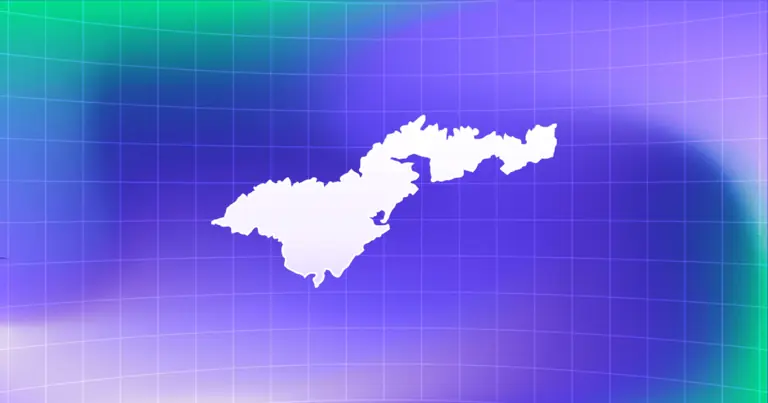
Market Potential: American Samoa
1. E-commerce Market Overview
American Samoa’s e-commerce market is nascent but poised for meaningful growth. While exact total online commerce volume remains modest compared to larger Pacific markets, digital payments have seen steady increases, driven by rising internet adoption and mobile connectivity. Mobile commerce accounts for a growing share — estimated at around 40% of total digital transactions — reflecting the island’s mobile-first consumer base. Year-over-year growth in digital payment volume is projected at 12-15%, signaling accelerating adoption of online shopping and digital wallets. Though still early-stage, American Samoa’s e-commerce sector is on the cusp of expansion, making it an attractive emerging market for merchants willing to enter before saturation.
2. Key Growth Drivers
Several factors underpin American Samoa’s promising e-commerce trajectory:
- Increasing Smartphone Penetration: Over 70% of the population owns a smartphone, enabling wider access to mobile commerce.
- Improved Internet Infrastructure: Ongoing investments in broadband and 4G connectivity are expanding digital access beyond urban centers.
- Government Digitalization Initiatives: Public sector efforts to promote digital payments and reduce cash dependency support market growth.
- Fintech Innovation: Local and regional fintech providers are introducing wallets and payment gateways tailored to island consumers.
- Young, Tech-Savvy Demographics: A median age below 30 drives demand for convenient, digital-first shopping experiences.
These drivers create a sustainable momentum, positioning American Samoa as a strategic early-mover market in the South Pacific.
3. Consumer Behavior & Spending Habits
Understanding American Samoan consumers is key to capturing market share:
- Average Order Value (AOV): Typically ranges between $40–$60, reflecting moderate disposable income and cautious online spending.
- Preference for Local Vendors: While cross-border purchases are rising, a strong preference remains for trusted local merchants due to shipping and trust factors.
- Payment Methods: Credit and debit cards dominate, but digital wallets (e.g., PayPal, regional wallets) and cash-on-delivery options remain popular. Buy Now, Pay Later (BNPL) is emerging but not yet mainstream.
- Device Usage: Mobile devices account for approximately 60% of online shopping sessions, underscoring the importance of mobile-optimized payment solutions.
- Payment Culture: Despite growing digital adoption, cash remains culturally significant, but trust in card payments is steadily increasing, especially among younger consumers.
Merchants should tailor payment options to blend traditional preferences with digital convenience to maximize acceptance.
4. Top Trends
Key trends shaping American Samoa’s payment and e-commerce landscape over the next 2–3 years include:
- Expansion of Mobile Wallets: Increasing uptake of mobile wallets will drive faster, more secure digital payments.
- Growth of BNPL Solutions: Emerging BNPL offerings will encourage higher order values and repeat purchases.
- Cross-Border E-commerce Growth: Improved logistics and payment infrastructure will boost imports from the U.S. mainland and Asia.
- Regulatory Enhancements: Anticipated updates to financial regulations will improve payment security and foster fintech innovation.
- Rise of Social Commerce: Social media platforms will become important sales channels, integrating payment solutions directly into user experiences.
These trends create multiple entry points and growth opportunities for forward-thinking merchants.
5. Go-to-market Potential
American Samoa represents a compelling, fast-growing frontier market for merchants specializing in consumer goods, digital services, and niche imports. Its mobile-first population and expanding digital infrastructure offer fertile ground for e-commerce expansion — especially for brands that prioritize localized payment options and mobile optimization. However, success requires sensitivity to local payment preferences and logistical challenges inherent to island markets. Merchants prepared to invest in tailored payment acceptance and build trust with consumers will find American Samoa an increasingly rewarding market to enter early.
Payments Landscape
📘 Intro
American Samoa’s payment landscape is shaped by its unique status as a U.S. territory with a small, close-knit population and limited local banking infrastructure. Merchants entering this market will find that while U.S. payment methods dominate, there are nuances in consumer behavior and technology adoption that impact checkout success. Understanding these local preferences and risks is crucial for optimizing payment acceptance and minimizing friction.
Payment Methods in Use
In American Samoa, payment methods largely mirror those in the continental United States, with credit and debit cards — especially Visa and Mastercard — being the primary means of payment. American Express and Discover also have some presence but are less common. Due to the territory's close ties to the U.S., most consumers expect to pay with familiar card brands, and digital wallets like Apple Pay and Google Pay are gaining traction, especially among younger, tech-savvy shoppers.
Alternative payment methods (APMs) such as PayPal see moderate use, primarily for online purchases, but local adoption of BNPL (Buy Now, Pay Later) services is still emerging and not yet widespread. Cryptocurrency and local invoicing solutions are virtually nonexistent in everyday retail. Payment flows typically involve embedded card forms on merchant websites or mobile apps, with some use of redirect flows for PayPal. QR code payments are rare, as the infrastructure and consumer demand for this method have not yet developed locally.
Recurring payments, such as subscriptions or installment plans, are supported mainly through card-on-file setups using tokenization, similar to U.S. standards. Merchants should ensure PCI compliance and offer saved card options to improve retention. One-time payments dominate the market, with consumers favoring instant payment confirmation and minimal checkout steps.
| Method | Popularity | Use Case | Risk | Recurring |
|---|---|---|---|---|
| Visa | ⭐⭐⭐⭐ | In-store and online purchases | 🟡 Medium | ✅ |
| Mastercard | ⭐⭐⭐⭐ | Card payments, digital wallets | 🟡 Medium | ✅ |
| Apple Pay | ⭐⭐ | Mobile checkout, convenience | 🟢 Low | ✅ |
| PayPal | ⭐⭐ | Online payments, international | 🟡 Medium | ❌ |
| BNPL (emerging) | ⭐ | Select e-commerce merchants | 🟠 Low-Med | ✅ |
Conversion & UX Patterns
Consumers in American Samoa exhibit a strong preference for mobile payments, with smartphone penetration steadily increasing. However, desktop remains important for more detailed shopping experiences, especially for higher-value purchases. Checkout flows that are one-page and embedded tend to perform best, reducing friction and cart abandonment. Redirects, while common for PayPal, can increase drop-off rates and should be minimized where possible.
Localization expectations are straightforward: English is the primary language, and transactions are conducted in U.S. dollars (USD), so currency conversion is not a concern. Merchants should ensure their checkout pages clearly display USD pricing and avoid currency toggles that could confuse users. Offering one-click payment options and card-on-file capabilities boosts conversion, as returning customers in this market appreciate speed and convenience. Retry logic for failed payments is recommended, especially for subscription models, but should be balanced against potential fraud risks.
Fraud & Chargeback Risks
Fraud and chargeback risk in American Samoa is moderate, reflecting its integration with U.S. payment systems but also its smaller market size, which can attract certain fraud schemes. Common fraud tactics include card testing (where fraudsters try multiple small transactions to validate stolen card data) and friendly fraud (customers disputing legitimate purchases). Merchants should be particularly cautious with non-3DS (3-D Secure) transactions, as these carry higher liability for chargebacks.
International cards, especially those issued outside the U.S., pose additional risk due to less familiarity and potential mismatches in billing addresses. The local market benefits from widespread use of OTP (One-Time Password) via SMS and email for transaction verification, and 3DS authentication is strongly recommended to reduce fraud losses. Velocity checks — monitoring the frequency of transactions from the same card or IP — are effective in identifying suspicious behavior, especially in digital goods or subscription services.
| Risk Type | Level | Common Trigger | Mitigation Tip |
|---|---|---|---|
| Card testing | 🔴 | Multiple small charges | Implement per-IP and BIN velocity limits |
| Friendly fraud | 🟡 | Disputes from legitimate users | Clear refund policies and customer support |
| Chargebacks | 🟡 | No 3DS or refund abuse | Use 3DS authentication and instant payment methods |
Final Summary
For merchants entering American Samoa, prioritizing U.S.-standard card payments with strong 3DS protection is key to balancing acceptance and fraud prevention. Focus on mobile-optimized, embedded checkout flows with saved card options to boost conversion, and keep pricing clear in USD without unnecessary currency toggles. Monitoring transaction velocity and implementing OTP verification will help mitigate common fraud risks. Starting with these practical steps will position your payments stack for success in this unique U.S. territory market.
PSP Landscape in American Samoa
PSP Market Overview
The Payment Service Providers in American Samoa operate within a small, niche market characterized by limited local infrastructure and a reliance on broader U.S.-based payment ecosystems. The PSP market here is relatively immature and highly concentrated, with a few key players — mostly international PSPs and U.S. bank acquirers — dominating the landscape. Local fintech presence is minimal due to the territory’s small population and limited commercial scale. The predominant verticals supported include small-scale retail, hospitality, government services, and remittances, with eCommerce and SaaS sectors still emerging. Given American Samoa’s status as a U.S. territory, merchants typically rely on PSPs that facilitate payment acceptance in U.S. dollars and comply with U.S. financial regulations.
PSP Types in the Local Market
| PSP Type | Description | Market Role | Typical Users |
|---|---|---|---|
| Local PSPs | Very limited presence; mostly small payment facilitators or local banks with PSP services | Serve niche local merchants; limited product range | Small retailers, local service providers |
| International PSPs | U.S.-based and global PSPs offering broad payment acceptance and settlement capabilities | Primary providers enabling card and digital payments | SMBs, eCommerce, hospitality, government |
| Aggregators & Platforms | Payment facilitators embedded within marketplaces or SaaS platforms, often U.S.-centric | Enable quick onboarding and bundled payment services | Online marketplaces, SaaS vendors |
| Bank Acquirers | U.S. banks with acquiring licenses servicing American Samoa merchants | Provide merchant accounts and direct card acquiring services | Brick-and-mortar businesses, larger merchants |
PSP Discovery Considerations
- Market transparency is limited: Due to the small market size and reliance on U.S. PSPs, there is little publicly available comparative data on PSP pricing or features specifically for American Samoa.
- Banks and U.S.-based partners dominate referrals: Local merchants often discover PSP options through their banking relationships or U.S.-based payment consultants rather than local fintech ecosystems.
- Regulatory alignment with U.S. standards simplifies compliance but can obscure local nuances, requiring merchants to work closely with PSPs familiar with both U.S. and territorial requirements.
- Hidden costs and settlement times: Some international PSPs may apply fees or delays related to cross-territory settlements, which merchants should clarify upfront.
Selection Factors
Choosing a PSP to accept payments in American Samoa requires careful evaluation of several factors. Given the territory’s dollarized economy and U.S. regulatory alignment, payment method coverage should prioritize major credit and debit card networks (Visa, Mastercard, American Express) and popular digital wallets prevalent in the U.S. market. Payout and settlement options must be scrutinized for timing and currency handling, especially for merchants with cross-border operations or those expecting rapid cash flow.
Risk verticals such as crypto or high-risk gaming are generally underserved locally, so merchants in these sectors may face limited PSP options or require specialized international providers. Integration flexibility is crucial, as many merchants prefer PSPs offering APIs or plug-ins compatible with common eCommerce platforms and POS systems used in American Samoa’s retail and hospitality sectors.
| Key Selection Criteria | Considerations for American Samoa |
|---|---|
| Payment Method Coverage | Focus on U.S.-dominated card networks, PayPal, Apple Pay, Google Pay |
| Payout & Settlement Options | USD settlements with transparent fees and reasonable timelines |
| Risk Verticals | Limited local support; international PSPs needed for high-risk sectors |
| Integration Flexibility | Support for common eCommerce platforms and POS hardware |
Notable PSPs in American Samoa
| PSP Name | Type | Payment Methods Supported | Ideal Merchant Profile | Unique Features / Positioning |
|---|---|---|---|---|
| Stripe | International | Visa, Mastercard, AmEx, Apple Pay, Google Pay | SMBs, eCommerce, SaaS | Developer-friendly API, broad U.S. payment support |
| PayPal | International | PayPal balance, cards, digital wallets | SMBs, marketplaces | Strong buyer protection, popular for online sales |
| Square | International | Cards, digital wallets, POS hardware | Retail, hospitality, SMBs | Integrated POS and payment processing solutions |
| First Hawaiian Bank | Local Bank Acquirer | Visa, Mastercard, AmEx | Brick-and-mortar merchants | Local banking relationship, U.S. acquiring licenses |
| Worldpay (FIS) | International | Cards, digital wallets, alternative payments | Larger merchants, omnichannel retail | Global reach with localized U.S. payment expertise |
| Adyen | International | Cards, wallets, alternative payments | Marketplaces, enterprises | Unified commerce platform with global capabilities |
Merchants expanding to American Samoa should prioritize PSPs with strong U.S. market integration, transparent settlement processes, and support for the dominant payment methods in the territory. Engaging with local banks while leveraging international PSP platforms offers the most effective path to accept payments in American Samoa’s unique payment environment.
Compliance & Regulatory Landscape: American Samoa
Regulatory Bodies and Licensing
In American Samoa, the regulatory environment for online payments and financial services is relatively limited due to its status as an unincorporated territory of the United States. The primary financial regulatory oversight stems from U.S. federal agencies, with some local administrative bodies playing a supporting role.
The American Samoa Government (ASG) oversees local business registrations and certain commercial regulations, but it does not have a dedicated financial regulator akin to a central bank. Instead, financial services and payment processing largely fall under the jurisdiction of U.S. federal regulators, such as the Federal Deposit Insurance Corporation (FDIC) and the Financial Crimes Enforcement Network (FinCEN), especially for anti-money laundering (AML) compliance.
For payment service providers (PSPs) and merchants, no specific local licensing regime for electronic money institutions (EMIs) or acquiring banks exists in American Samoa. Instead, PSPs operating in the territory typically rely on licenses and authorizations issued in the continental U.S. or other jurisdictions.
| License Type | Issuing Authority | Applicability in American Samoa | Notes |
|---|---|---|---|
| Money Transmitter License | U.S. State Regulators / FinCEN | Required for PSPs offering money transfer services | Must comply with U.S. AML/KYC regulations |
| Merchant Acquiring License | U.S. Financial Institutions | PSPs partnering with U.S. banks | No separate local acquiring licenses |
| Business Registration | American Samoa Government | Required for local merchants | Local company registration necessary |
Foreign or cross-border PSPs can operate in American Samoa primarily if they are licensed and regulated in the U.S. or other recognized jurisdictions. There is no local framework that restricts international PSPs, but compliance with U.S. federal financial laws is mandatory.
Merchant Requirements for Accepting Payments in American Samoa
Merchants aiming to accept online payments from customers in American Samoa should consider several key requirements:
-
Local Business Registration: If operating physically or holding inventory in American Samoa, merchants must register their company with the American Samoa Government’s Department of Commerce. Purely online businesses without a local presence may not require registration but should confirm based on their business model.
-
Foreign Merchant Operations: International merchants can accept payments from American Samoa customers through global PSPs (e.g., PayPal, Stripe) without local licensing, provided they comply with U.S. federal laws.
-
Industry-Specific Permits: Certain industries such as gambling or cryptocurrency may face additional scrutiny or licensing requirements under U.S. federal law. Local authorities do not currently issue specific permits for these sectors.
-
Tax Compliance: American Samoa has its own tax code, distinct from the U.S. Internal Revenue Code. Merchants with a local presence must register for local taxes and comply with reporting obligations. Foreign merchants generally have no local tax obligations unless they establish a physical nexus.
-
Restricted Industries: Businesses involved in illegal activities, unlicensed gambling, or prohibited financial services are blacklisted. Merchants should ensure compliance with both local and U.S. federal regulations.
Financial, AML & KYC Obligations
American Samoa enforces AML and KYC standards consistent with U.S. federal requirements, primarily under the oversight of FinCEN and the U.S. Treasury. Payment service providers and merchants must adhere to these rules to prevent money laundering, terrorist financing, and fraud.
-
KYC Checks: PSPs must collect and verify customer identity information during onboarding. This includes verifying government-issued IDs and proof of address, consistent with U.S. Bank Secrecy Act (BSA) requirements.
-
AML Framework: Transactions are monitored for suspicious activity, and PSPs must file Suspicious Activity Reports (SARs) with FinCEN when necessary. Merchants processing large or unusual transactions may be subject to enhanced due diligence.
-
Transaction Monitoring: PSPs enforce limits on transaction sizes and volumes based on risk assessments. Merchants should expect periodic reviews and compliance audits.
-
Source of Funds Verification: Especially for high-risk industries or large transactions, PSPs may require merchants to disclose the origin of funds to ensure legality.
-
Local Reporting: While American Samoa does not have a separate AML authority, local financial institutions cooperate with U.S. regulators to ensure compliance.
Data Protection & Privacy Laws in American Samoa
American Samoa does not have a standalone data protection law equivalent to the European Union’s GDPR. Instead, data privacy protections are governed primarily by U.S. federal laws and regulations, including:
-
The Federal Trade Commission Act (FTC Act): Prohibits unfair or deceptive practices related to data privacy and security.
-
Gramm-Leach-Bliley Act (GLBA): Applies to financial institutions, requiring safeguards for sensitive customer data.
-
Health Insurance Portability and Accountability Act (HIPAA): Protects health-related data if applicable.
There is no specific local supervisory authority for data protection in American Samoa; enforcement is conducted by U.S. federal agencies such as the Federal Trade Commission (FTC).
Regarding data transfers, there are no local data localization requirements, and cross-border transfers are generally permitted, subject to compliance with applicable U.S. laws. Merchants and PSPs handling financial or biometric data should implement robust security measures to meet federal standards.
Helpful Resources & Official Links
- American Samoa Government Department of Commerce — Business registration and local commerce information
- Financial Crimes Enforcement Network (FinCEN) — U.S. AML and financial crime regulations
- Federal Trade Commission (FTC) — Data privacy and consumer protection rules
- American Samoa Tax Office — Local tax compliance and guidelines
- Bank Secrecy Act (BSA) — U.S. AML regulatory framework
- U.S. Small Business Administration (SBA) — Resources for businesses operating in American Samoa
American Samoa’s compliance landscape for online payments largely integrates U.S. federal regulations with local business governance. Merchants and PSPs should prioritize adherence to U.S. AML/KYC laws and ensure proper local registration when applicable. While the territory lacks a dedicated financial regulator or data protection authority, aligning with U.S. standards provides a clear pathway to legally and securely accepting payments from American Samoa’s market.
Onboarding Process in American Samoa
Overview
Onboarding with payment service providers (PSPs) in American Samoa involves a process tailored to its unique status as an unincorporated territory of the United States. While the territory benefits from alignment with U.S. regulatory frameworks, merchants often face additional scrutiny due to its remote location and limited local banking infrastructure. This combination means that while payment provider onboarding in American Samoa can leverage U.S.-style compliance standards, merchants should be prepared for thorough KYC and risk assessments, especially if their business model or product offerings are atypical.
The onboarding journey here is generally straightforward for companies with clear legal structures and compliance documentation. However, challenges arise from the need to provide documents that meet both U.S. federal requirements and local nuances, such as notarization and language consistency. Understanding these specifics helps merchants avoid delays and ensures a smooth path to accepting payments in American Samoa.
Onboarding Journey: Step-by-Step
-
Submit Application to PSP
Merchants begin by completing an application form through their chosen payment provider. This form collects essential business details, including company name, registration number, and contact information. Given American Samoa’s U.S. territorial status, many PSPs will request confirmation of compliance with U.S. federal regulations. -
Company Verification (KYC, UBO, Legal Documents)
PSPs conduct Know Your Customer (KYC) checks, verifying the legal existence of the business and identifying Ultimate Beneficial Owners (UBOs). Documents must be official, often requiring notarization or apostille to confirm authenticity. Since many documents originate from American Samoa, which has limited local notaries, PSPs may request additional verification steps or English translations if documents are in Samoan. -
Website & Product Review
The PSP reviews the merchant’s website and product offerings to ensure compliance with acceptable use policies. Merchants should have clear refund policies, privacy statements, and terms of service published in English. Products or services must align with both local and U.S. regulations to avoid classification as high-risk or prohibited. -
Risk Scoring
Based on the submitted documents and product review, the PSP assigns a risk score to the merchant. Factors include industry type, processing volume, and geographic risk. American Samoa’s remote location can sometimes increase perceived risk, especially for new businesses without processing history. -
Contract Signing & Account Creation
Once approved, the merchant signs the processing agreement. Contracts may include clauses specific to U.S. territories, including compliance with federal laws like the Bank Secrecy Act (BSA). Upon signing, the PSP creates the merchant account. -
Technical Setup
Merchants integrate the PSP’s payment gateway into their website or point-of-sale system. This step may require developer support to ensure secure and compliant transaction flows, including PCI DSS compliance. -
Test Transactions
Before going live, merchants perform test transactions to verify that payments process correctly and that settlement timelines meet expectations. PSPs often provide a sandbox environment for this purpose. -
Go-Live & Monitoring
After successful testing, the merchant begins live processing. PSPs continuously monitor transactions for fraud and compliance, with heightened attention to new accounts from territories like American Samoa.
Key Documents & Requirements
| Document | Required for | Notes |
|---|---|---|
| Company Registration | KYC | Must be official; English translation required if in Samoan |
| Passport or Government ID of UBO | KYC | Valid photo ID; notarization may be requested |
| Proof of Address | KYC | Utility bill or bank statement dated within 3 months |
| Processing History | Risk Review | Optional but beneficial for higher volume merchants |
| Website URL & Business Description | Product Review | Should clearly describe products/services in English |
| Bank Account Details | Account Setup | Local or U.S. mainland bank preferred; verify routing info |
| Tax Identification Number (TIN) | Compliance | U.S. TIN or equivalent for tax reporting |
American Samoa merchants should be aware that notarization and apostille services may be limited locally. PSPs might accept notarization from U.S. mainland notaries or require electronic verification methods. Providing clean, English-language documents significantly reduces onboarding friction.
Risk Factors & Red Flags
One common reason for rejection is a mismatch between the declared business activity and the actual products or services offered. For example, if a merchant registers as a retail business but sells digital goods or adult content without clear disclosure, PSPs may decline the application.
Another frequent issue is the lack of sufficient processing history, especially for startups. PSPs prefer merchants with verifiable transaction records to assess risk accurately. In American Samoa, where many businesses are newly established or operate on a small scale, this can cause delays.
Merchants whose websites lack essential policies, such as refund or privacy policies, often face additional scrutiny. PSPs view these omissions as red flags for potential disputes or regulatory non-compliance.
Finally, certain industries common in American Samoa, like online gambling or cryptocurrency trading, may be blacklisted or heavily restricted by local acquirers, leading to outright rejection or prolonged onboarding.
Insider Tips from Experts
Establish a local legal entity or U.S.-based presence to improve trust with PSPs. While not mandatory, having a formal American Samoa or U.S. mainland business registration signals stability and compliance.
Prepare all KYC documents in English and ensure notarization or apostilles are completed beforehand. This preparation prevents delays caused by document verification or translation requests.
Develop a professional website with transparent policies. Including clear refund, privacy, and terms of service pages in English enhances credibility and speeds up product reviews.
Maintain a clean and verifiable processing history, even if minimal. If you are a startup, consider processing small transactions through alternative channels first to build a record.
Communicate proactively with your PSP’s onboarding team. Clarify any local nuances or documentation challenges upfront to avoid surprises during the review process.
By following these guidelines, merchants can navigate the onboarding process in American Samoa efficiently and position themselves for successful payment acceptance.
Fees & Settlement
Settlement Currencies
Merchants accepting payments in American Samoa typically receive settlements in the United States Dollar (USD), which is the official currency used throughout the territory. Since American Samoa operates under the US dollar system, local currency conversion risks are minimal or nonexistent for merchants dealing in USD. Payment Service Providers (PSPs) generally settle funds in USD without requiring currency conversion, simplifying financial reconciliation for both local and international merchants. There are no notable currency control restrictions affecting payouts in American Samoa, making the USD the preferred and often exclusive settlement currency for both domestic and cross-border transactions.
Given American Samoa’s use of USD, foreign merchants benefit from reduced foreign exchange risk compared to other Pacific territories that use local currencies. However, merchants transacting in non-USD currencies will need to consider their PSP’s FX conversion fees when receiving settlements in USD.
Payout Rules & Timing
Payout frequency in American Samoa is largely determined by the PSP chosen by the merchant, but common payout intervals include daily, weekly, or on-demand settlements. Most PSPs require a minimum payout threshold, typically ranging from $50 to $100 USD, to initiate transfers. Processing delays can vary from same-day to up to 3 business days depending on the PSP and banking partners involved. Settlements are usually made via ACH transfers or wire transfers to US-based bank accounts, reflecting the territory’s integration with US banking infrastructure.
Local merchants generally experience faster payout processing compared to foreign merchants due to fewer compliance checks and simpler banking relationships. Cross-border merchants should anticipate additional verification steps and possible delays caused by international banking processes or anti-money laundering (AML) compliance.
Merchants should verify if their PSP batches settlements or processes them in real-time, as real-time payouts remain less common in American Samoa. Additionally, payouts exceeding $10,000 USD may be subject to enhanced review, potentially delaying funds availability.
Typical Fees
The fee structure for payment processing and settlement in American Samoa varies by PSP but generally aligns with US market standards. The table below summarizes typical PSP fees encountered by merchants:
| Fee Type | Typical Range / Notes |
|---|---|
| Transaction Fees | 2.5% to 3.5% per credit/debit card payment |
| Payout Fees | $0.25 to $1.00 per payout |
| FX Conversion Fees | 1.5% to 3.0% markup if currency conversion required |
| Chargeback Fees | $15 to $25 per chargeback |
| Setup / Integration Fees | Usually waived or $0 to $200 one-time fee |
Merchants accepting payments from international customers should carefully consider FX conversion fees if payments are made in currencies other than USD, as PSPs typically apply a markup on the interbank rate. Additionally, some PSPs may impose fees for cross-border transactions or for payments involving non-US-issued cards.
American Samoa’s close banking ties to the US mean PSP commission rates are competitive, but merchants should watch for hidden fees such as chargeback handling and payout processing fees, which can impact net revenue.
Tax & Withholding Notes
American Samoa follows US tax frameworks with some local adaptations. There is generally no withholding tax on payment settlements made to merchants within American Samoa. However, merchants should be aware of the following tax considerations:
- Withholding Tax: No specific withholding tax is applied by PSPs on merchant payouts in American Samoa. However, foreign merchants should verify tax treaty provisions between their home country and the US to understand any withholding implications on cross-border payments.
- VAT/GST: American Samoa does not impose a Value-Added Tax (VAT) or Goods and Services Tax (GST), so merchants do not face VAT-related deductions on payment settlements.
- Tax Residency Certificates: Non-resident merchants may be required by some PSPs or banks to provide tax residency certificates to avoid unnecessary withholding or to comply with US tax reporting requirements.
- Corporate Tax: Merchants operating in American Samoa should consult local tax regulations as the territory has its own tax code distinct from the US Internal Revenue Code, including potential income tax obligations at the territorial level.
International merchants receiving payments from American Samoa should consult a tax advisor familiar with US territories to ensure compliance with both local and US federal tax laws, especially if repatriating funds or operating through US entities.
To optimize cash flow and reduce fees, merchants in American Samoa are advised to select PSPs offering USD settlements with transparent fee structures and to maintain US-based bank accounts where possible. This approach minimizes FX risk and speeds up payment payout timing, critical for effective financial planning in this unique US territory market.
Go-to-Market Strategies
Entering the American Samoa market requires a tailored approach based on your business model, jurisdiction, risk tolerance, and transaction volume. Given American Samoa’s unique status as an unincorporated U.S. territory with limited local payment infrastructure, merchants must carefully choose payment providers and strategies that balance compliance, cost, and customer experience.
Typical Merchant Scenarios
| # | Merchant Profile | Jurisdiction | Risk | Volume | Audience |
|---|---|---|---|---|---|
| 1 | US-based e-commerce selling niche goods | US | Low | Low–Medium | US and American Samoa |
| 2 | Local American Samoa retailer expanding online | Local (AS) | Medium | Low | Local residents |
| 3 | Offshore digital services provider | Offshore (EU/Asia) | Medium | Medium | Global with AS customers |
| 4 | High-risk vertical (e.g., gaming, adult) | US or Offshore | High | Medium–High | US and AS |
| 5 | Large enterprise with cross-border operations | US | Low | High | Global and AS |
Recommended Strategy per Scenario
1. US-based E-commerce Selling Niche Goods
For US-based merchants targeting American Samoa customers, leveraging a global PSP with strong US roots like Stripe or Square is ideal. These providers offer seamless integration, reliable fraud detection, and familiar checkout experiences for US customers, which reduces friction. Since American Samoa uses the US dollar, currency conversion is not an issue, simplifying pricing and settlement. The downside is that local payment methods are scarce, so you may miss some local nuances, but given the small market size, this trade-off is acceptable. Onboarding is fast, and compliance aligns with US regulations, minimizing risk.
2. Local American Samoa Retailer Expanding Online
Local merchants face challenges due to limited local PSP options and banking infrastructure. A hybrid approach works best: use a US-based PSP like PayPal or Stripe for online payments, while maintaining local cash or POS systems for in-person sales. This strategy balances ease of onboarding and compliance with local customer preferences. However, onboarding may require additional documentation due to local regulatory requirements, and transaction fees can be higher due to the small volume. Consider partnering with regional banks or payment facilitators familiar with American Samoa for smoother operations.
3. Offshore Digital Services Provider
If you operate from outside the US or EU and want to serve American Samoa customers, choosing a global PSP with multi-jurisdictional capabilities is crucial. Providers like Adyen or Worldpay offer extensive fraud management and support for multiple currencies (though USD is dominant). Since American Samoa uses USD, currency risk is minimal, but you must ensure compliance with US AML and tax regulations due to the territory’s US ties. Onboarding can be lengthier because of KYC and risk assessments. Using an aggregator can reduce complexity but may increase fees.
4. High-Risk Vertical (Gaming, Adult)
High-risk merchants should approach the American Samoa market cautiously. Many mainstream PSPs restrict high-risk industries, so consider specialized providers like CCBill or Segpay that support these verticals. These providers understand US regulations and can help navigate the compliance landscape. Be prepared for higher fees, longer onboarding, and stricter monitoring. Given American Samoa’s small market size, volume growth may be slow, so weigh the cost-benefit carefully. Using offshore merchant accounts may be necessary but comes with increased regulatory scrutiny.
5. Large Enterprise with Cross-Border Operations
Enterprises with high volume and global reach should leverage enterprise-grade PSPs such as Adyen, Stripe Atlas, or Braintree that offer robust APIs, multi-currency support, and compliance with US and international regulations. These providers can handle complex settlement structures and integrate with local payment methods if needed. Although onboarding can be complex, the scalability and data insights gained justify the effort. Enterprises should also engage local legal counsel to ensure compliance with American Samoa’s specific tax and business laws.
Final Tips
- Start with a global PSP that supports USD and US regulations to minimize friction, then explore local partnerships as your volume grows to optimize costs and local acceptance.
- Test your checkout UX rigorously with American Samoa customers to identify any friction points related to language, payment methods, or device preferences.
- Stay vigilant on compliance: American Samoa’s ties to US laws mean AML, tax, and data privacy regulations apply — partner with providers experienced in US territory compliance to avoid surprises.
FAQ & Expert Tips
Intro
This section is crafted from real support cases, merchant inquiries, and detailed market research to address the key uncertainties merchants face when entering the American Samoa market and opening a Merchant ID (MID). Expect clear, actionable answers and expert insights that will help you navigate compliance, payments setup, and local nuances with confidence.
Frequently Asked Questions
🇦🇸 What are the key payment methods accepted in American Samoa, and how do they differ from mainland US?
American Samoa primarily uses the US dollar (USD) and has a payment ecosystem closely tied to the mainland US. Credit and debit cards, especially Visa and Mastercard, dominate the market. However, unlike larger US states, American Samoa has limited acceptance of newer digital wallets like Apple Pay or Google Pay, especially outside of Pago Pago. Merchants should also be aware that cash remains popular, so offering both card and cash payment options is advisable. Compared to the mainland US, you may encounter fewer payment terminals supporting contactless payments, so hardware readiness is a factor.
💳 How straightforward is the MID application and approval process in American Samoa?
The MID application process in American Samoa is relatively streamlined due to the territory’s close regulatory alignment with the US. However, because the local banking infrastructure is less developed, merchants often face longer turnaround times for underwriting and KYC verification than in the continental US. Expect additional scrutiny around business licenses and proof of local operations. Partnering with a payment service provider experienced in Pacific Island jurisdictions can significantly expedite onboarding.
⚠️ Are there any compliance risks or regulations unique to American Samoa that merchants should watch out for?
While American Samoa generally follows US federal regulations, there are localized compliance nuances. For example, stringent customs and import controls affect merchants dealing with physical goods shipping to and from the island. Additionally, local tax reporting requirements, including the American Samoa Department of Revenue’s rules, differ from US states and require careful attention to avoid fines. Merchants should also consider that the territory’s remote location can impact anti-fraud monitoring and chargeback management, increasing the importance of robust transaction screening.
📄 What documentation is required to open a merchant account in American Samoa?
Merchants will need to submit standard US-based documentation such as business registration certificates, taxpayer identification numbers (EIN), and personal identification for principals. Additionally, proof of a physical business presence in American Samoa—such as a lease agreement or utility bill—is often required to satisfy local onboarding policies. Compared to mainland US accounts, expect requests for more detailed supply chain information if selling physical goods internationally, reflecting the island’s unique logistical environment.
🔍 How do payment processing fees and settlement times in American Samoa compare to other US territories?
Payment processing fees in American Samoa are generally comparable to those in other US territories but can be slightly higher than in the mainland US due to increased risk and operational costs for payment processors. Settlement times may also be longer, with 2-3 business days being typical, versus next-day settlement options more common in larger US states. Merchants should negotiate with acquirers about fee structures and clarify timelines upfront to manage cash flow effectively.
📦 What logistical challenges should e-commerce merchants anticipate when shipping to or from American Samoa?
Shipping to American Samoa involves longer transit times and higher freight costs due to its remote Pacific location. Customs clearance can be slower, and certain products may face import restrictions or require additional permits. Merchants should factor these delays into delivery estimates and communicate clearly with customers. Compared to shipping within the continental US, the risks of lost or delayed shipments are higher, so partnering with carriers experienced in Pacific routes is recommended.
Expert Tips
⏱️ Plan for Longer Onboarding and Settlement Cycles
American Samoa’s unique position means that even standard processes like MID approval and funds settlement take longer than mainland US expectations. Build these timelines into your financial planning to avoid surprises.
🚩 Understand Local Compliance Beyond US Federal Rules
Don’t assume that US federal regulations cover everything. Local tax laws and import controls in American Samoa can catch merchants off guard. Engage local advisors or compliance consultants familiar with territorial nuances.
🧾 Prepare Detailed Local Presence Documentation
Proof of physical presence is crucial for MID approval here. Lease agreements, utility bills, and local licenses must be current and verifiable. This is a step where many merchants face delays.
📉 Mitigate Higher Processing Costs with Volume Negotiations
Because fees can be higher, especially for inbound international transactions, aim to negotiate rates based on projected volume and transaction size. Smaller merchants may face challenge getting competitive terms.
🔄 Optimize Logistics by Partnering with Experienced Carriers
Shipping delays and customs issues are common pain points. Work with logistics providers who have established routes to American Samoa to minimize surprises and improve customer satisfaction.
🌍 Leverage Local Payment Preferences While Planning for Digital Growth
Cash remains significant in many parts of the island, but digital payment adoption is growing. Offering a combination of card, cash, and emerging mobile options can capture broader market segments as infrastructure improves.




Comments