

Regional Paytech Guides
Navigate regional payment ecosystems with confidence. These guides help merchants and providers understand local rules, preferred methods, and market specifics before launching or scaling.
United Kingdom
In the United Kingdom, merchants typically receive their payment settlements in British Pounds Sterling (GBP), which is the local currency. Most Payment Service Providers (PSPs) operating in the UK settle funds directly in GBP to avoid unnecessary foreign exchange (FX)...

Jersey
Merchants accepting payments in Jersey typically receive their payouts in GBP (British Pounds Sterling), as Jersey uses GBP as its official currency. Most Payment Service Providers (PSPs) operating in Jersey settle transactions directly in GBP, minimizing currency conve...

Lithuania
Merchants accepting payments in Lithuania typically receive their payouts in the local currency, the euro (EUR), which is the country’s official currency and part of the Eurozone. This eliminates currency conversion risks for domestic merchants and simplifies reconcilia...

Monaco
Merchants accepting payments in Monaco typically receive their funds settled in EUR (Euro), as Monaco uses the Euro as its official currency despite not being part of the EU. Payment Service Providers (PSPs) operating in Monaco usually settle in EUR without requiring cu...

Luxembourg
Merchants accepting payments in Luxembourg typically receive their payouts in EUR, the country’s official currency and part of the Eurozone. Most Payment Service Providers (PSPs) operating in Luxembourg settle funds directly in euros, minimizing currency conversion need...

Faroe Islands
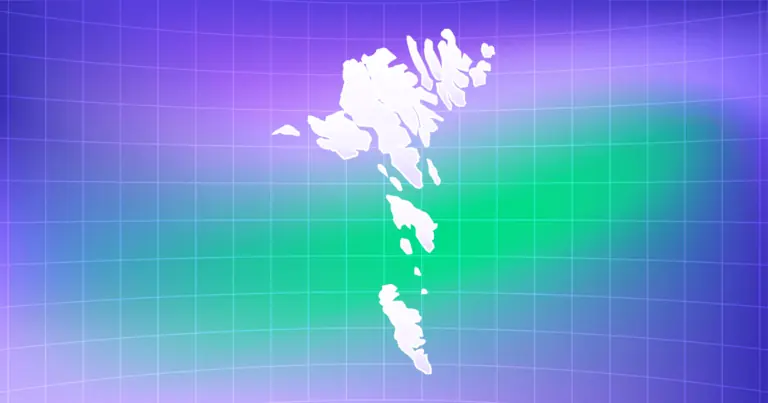
Merchants accepting payments in the Faroe Islands typically receive their payouts in the local currency, the Faroese króna (DKK), which is pegged 1:1 to the Danish krone. Most Payment Service Providers (PSPs) operating in the region settle funds in DKK, reflecting the c...
Finland
Merchants accepting payments in Finland typically receive their settlements in the local currency, the Euro (EUR). As Finland is a member of the Eurozone, most Payment Service Providers (PSPs) default to EUR for payouts, simplifying reconciliation and reducing currency...

Germany
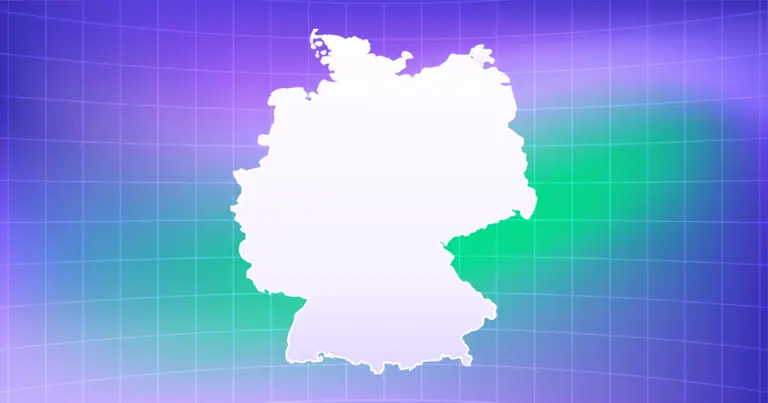
Merchants accepting payments in Germany typically receive settlements in the local currency, the Euro (EUR). Most Payment Service Providers (PSPs) operating in Germany settle funds directly in EUR, which aligns with the country’s use of the Eurozone currency and simplif...


Regional Paytech Guides: Understand Payments Market by Market
Payments are deeply regional. Customer payment preferences, regulatory requirements, fraud patterns, and costs vary significantly from one market to another. What works well in one country may perform poorly—or even be unavailable—in another. For both merchants and payment providers, understanding regional differences is essential to avoid failed launches, low conversion, and compliance issues.
For merchants, region-specific insight directly affects checkout performance and trust. Local payment methods, currencies, and pricing expectations often determine whether a customer completes a purchase. Regulations and banking practices also influence onboarding timelines, settlement speed, and the ability to repatriate funds. Entering a new market without this context often leads to higher costs and operational friction.
For payment providers, regions define licensing requirements, supported rails, and risk profiles. Regulatory frameworks, local acquiring availability, and consumer protection rules shape which services can be offered and how they must be structured. Providers that understand regional constraints can build stronger partnerships and scale more efficiently.
Regional Paytech Guides on PayAtlas bring this complexity into one place. By combining country-level payment method overviews, regulatory context, industry-specific insights, and provider landscapes, the guides help merchants and providers assess readiness, compare options, and plan market entry with fewer assumptions and more data-driven decisions.
Regional Guides FAQ
See why guides make it easy to stay informed, and choose payment partners and methods that align with businesses demands.
A regional paytech guide explains how payments work in a specific region, including regulations, payment methods, providers, and market practices.
Payment systems are shaped by local laws, financial infrastructure, consumer behavior, and regulatory priorities, which vary widely across regions.
Some regions rely heavily on cards, while others prefer bank transfers, wallets, or local payment schemes, directly impacting checkout performance.
Providers must meet local licensing, capital, reporting, and data protection requirements to operate legally and competitively.
Common risks include failed onboarding, unexpected compliance costs, poor conversion rates, and delayed market entry.
PayAtlas aggregates regulatory data, market research, and expert-reviewed information across countries, industries, and providers.
Guides allow users to compare regulatory complexity, payment methods, and provider coverage across multiple regions. They link regional requirements with verified payment provider profiles, helping users identify suitable, compliant partners.
Merchants expanding into new markets, payment providers scaling operations, and teams responsible for compliance, payments, or growth strategy.



